Mubashir Nadeem
Hope is a concept that refers to the belief or expectation that something good will happen in the future. Hope can positively affect both individual and collective life, as it can motivate people to pursue their goals, cope with challenges, and overcome adversity. Hope can also foster social cohesion, solidarity, and cooperation among groups of people who share a common vision or aspiration.
According to some psychologists, hope consists of two components: agency and pathways. Agency is the sense of being able to initiate and sustain actions towards one’s desired outcomes, while pathways are the perceived availability and feasibility of ways to achieve those outcomes. People who have high levels of hope tend to have more confidence, optimism, resilience, and well-being than those who have low levels of hope.
Hope can also play a vital role in collective life, as it can inspire people to work together for a common cause, such as social justice, environmental protection, or human rights. Hope can also help people cope with collective trauma, such as war, disaster, or oppression, by providing them with a sense of meaning, purpose, and direction. Hope can also facilitate collective action, as it can mobilize people to participate in social movements, campaigns, or protests that aim to bring about positive change.
However, hope is not always beneficial or realistic. Sometimes, hope can be based on unrealistic or irrational expectations that may lead to disappointment, frustration, or disillusionment. Hope can also be manipulated or exploited by those who have ulterior motives or agendas, such as politicians, advertisers, or religious leaders. Hope can also be used as a way to avoid facing reality or taking responsibility for one’s actions.
Therefore, hope is a complex and multifaceted concept that has both positive and negative aspects. Hope can be a powerful force for individual and collective well-being and development, but it can also be a source of vulnerability and risk. Hope should be balanced with critical thinking, rationality, and evidence-based reasoning. Hope should also be accompanied by action, commitment, and perseverance. Hope should not be seen as a passive or naive attitude but rather as an active and constructive one.
Please, subscribe to the official website of republicpolicy.com
Achieving hope in a struggling society like Pakistan is a complex and challenging task that requires the collective efforts of various actors and stakeholders, such as the government, civil society, religious leaders, media, and ordinary citizens. Here are some possible ways to foster hope in Pakistan:
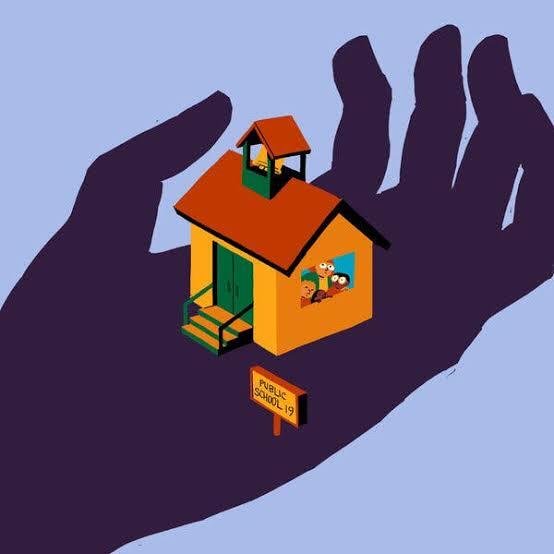
Reforming the education system: Education is a key factor in promoting hope, as it can empower people to pursue their goals, develop their skills, and access opportunities. However, Pakistan faces many challenges in providing quality and inclusive education for all, especially for girls, religious minorities, and rural populations. According to UNDP1, Pakistan has one of the lowest literacy rates in the world, with 22.8 million children out of school. Moreover, the education system is plagued by issues such as teacher absenteeism, poor infrastructure, lack of resources, and curriculum bias. Therefore, there is a need to reform the education system to make it more accessible, equitable, and relevant to the diverse needs and aspirations of the Pakistani people. Some possible steps include increasing public spending on education, improving teacher training and accountability, enhancing school facilities and learning materials, promoting gender equality and social inclusion in education, and revising the curriculum to foster critical thinking, creativity, and tolerance.
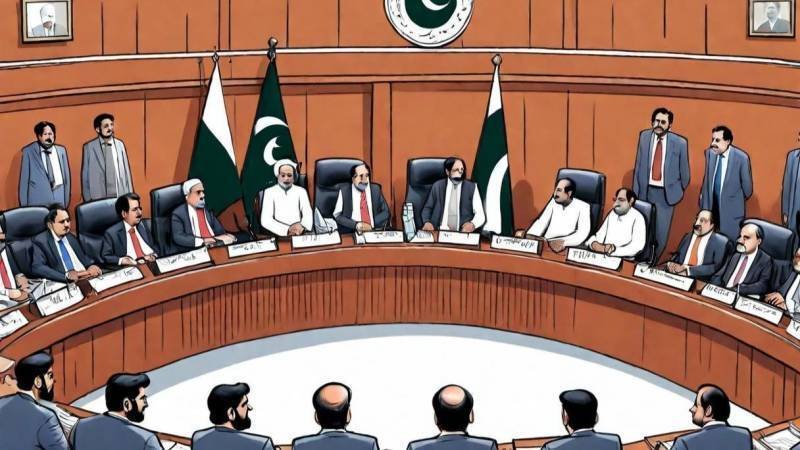
Strengthening the rule of law and human rights: Another factor that can enhance hope is respect for the rule of law and human rights, as it can ensure justice, security, and dignity for all. However, Pakistan faces many challenges in upholding the rule of law and human rights, especially for religious minorities, women, children, and other vulnerable groups. According to Human Rights Watch, Pakistan suffers from arbitrary detentions and extrajudicial killings by law enforcement agencies, blasphemy-related violence against religious minorities, forced conversions and marriages of Hindu and Christian girls, domestic violence and honour killings of women, child labour and abuse, and restrictions on freedom of expression and association. Therefore, there is a need to strengthen the rule of law and human rights in Pakistan by implementing the constitutional guarantees of equality and non-discrimination, reforming the legal system to ensure fair trials and due process, repealing or amending the blasphemy laws and anti-Ahmadiyya laws that are often misused to persecute minorities, protecting the rights of women and children from violence and exploitation, and supporting the work of human rights defenders and civil society organizations.
Fostering social cohesion and dialogue: A third factor that can foster hope is the promotion of social cohesion and dialogue among different groups of people who may have different beliefs, values, or interests. Pakistan is a diverse country with multiple ethnicities, languages, cultures, and religions. However, this diversity is often a source of conflict rather than harmony. According to International Christian Concern, Pakistan ranks as the world’s fifth worst violator of religious freedom. Religious minorities such as Christians, Hindus, Sikhs, and others face discrimination, harassment, violence, and persecution from extremist groups or state actors. Moreover, Pakistan also faces sectarian violence between Sunni and Shia Muslims, ethnic violence between Punjabis and Balochis or Sindhis, and political violence between supporters of different parties or ideologies. Therefore, there is a need to foster social cohesion and dialogue in Pakistan by promoting a culture of tolerance, respect, and pluralism, encouraging interfaith and intercultural exchanges and cooperation, addressing the root causes of conflict and grievances, and facilitating peaceful and constructive resolution.
Accordingly, developing hope in the nation is a critical obligation. Therefore, the rule of law and justice is essential. The rule of law provides the people the confidence to take part in civil and political activities vital for the growth of governance and society. Nations always want direction and hope. Leaders instil hope among the nation for drive and progression. Hopeful individuals and nations live up to their potential and perform accordingly. Therefore, it should be the foremost obligation of all stakeholders to instill hope in the Pakistani nation.
Please, subscribe to the monthly magazines of republicpolicy.com