
Editorial
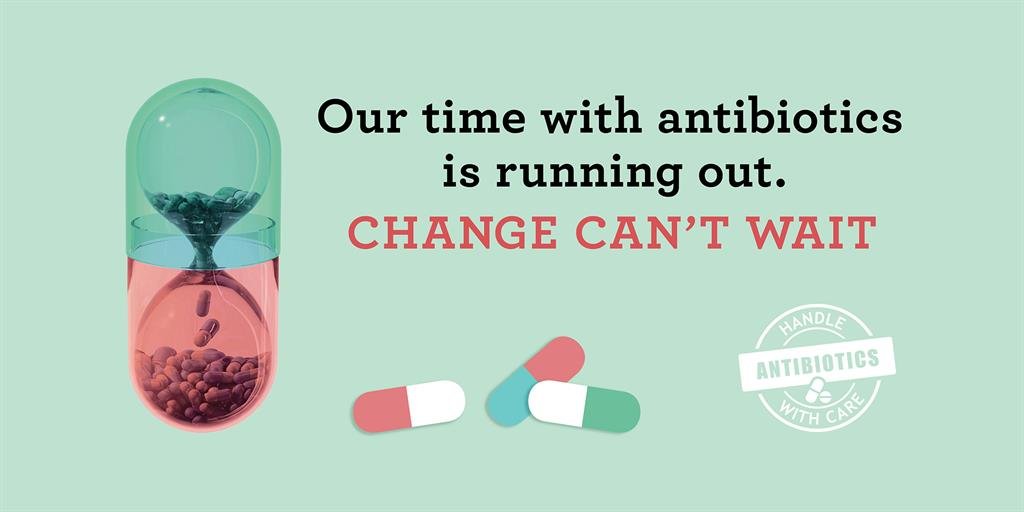
World Antibiotic Awareness Week (WAAW) is a global campaign that aims to increase awareness and understanding of antimicrobial resistance (AMR) and to encourage best practices among the public, health workers, policymakers and other stakeholders to avoid the further emergence and spread of drug-resistant infections. AMR occurs when bacteria, viruses, fungi and parasites change over time and no longer respond to medicines, making infections harder to treat and increasing the risk of disease spread, severe illness and death.
WAAW helps to raise awareness of the serious threat that AMR poses to human and animal health, as well as to food security and the environment. AMR can affect anyone of any age in any country and can compromise the effectiveness of treatments for common infections, such as pneumonia, tuberculosis, malaria, HIV and sexually transmitted infections. AMR can also make surgeries, organ transplants, cancer chemotherapy and other medical procedures more risky and costly. By promoting the rational use of antibiotics and other antimicrobials, WAAW can help to preserve their efficacy and save lives.
Please, subscribe to the monthly magazines of republicpolicy.com
Furthermore, WAAW helps to highlight the economic impact of AMR, which can reduce productivity, increase healthcare costs and undermine development. According to a report by the World Bank, AMR could cause a drop in global GDP of up to 3.8% by 2050 and push up to 28 million people into extreme poverty. By advocating for increased investment in research and development of new antimicrobials, diagnostics and vaccines, WAAW can help to stimulate innovation and foster economic growth. WAAW can also help foster social responsibility and solidarity in the fight against AMR, which requires a coordinated and collaborative response from all sectors and stakeholders. AMR is a complex and multifaceted problem that no single actor or intervention can solve. WAAW can help build trust, share knowledge, align incentives, and mobilize action to prevent and contain AMR by engaging the public, health professionals, farmers, veterinarians, policymakers, industry, and civil society.
Lastly, WAAW is a significant campaign that can contribute to the global effort to combat AMR, one of our most significant public health challenges. WAAW can help protect human and animal health, ensure food security and environmental sustainability, and support economic development and social well-being by raising awareness, improving understanding, and encouraging best practices.
Please, subscribe to the YouTube channel of republicpolicy.com