
Abdullah Kamran
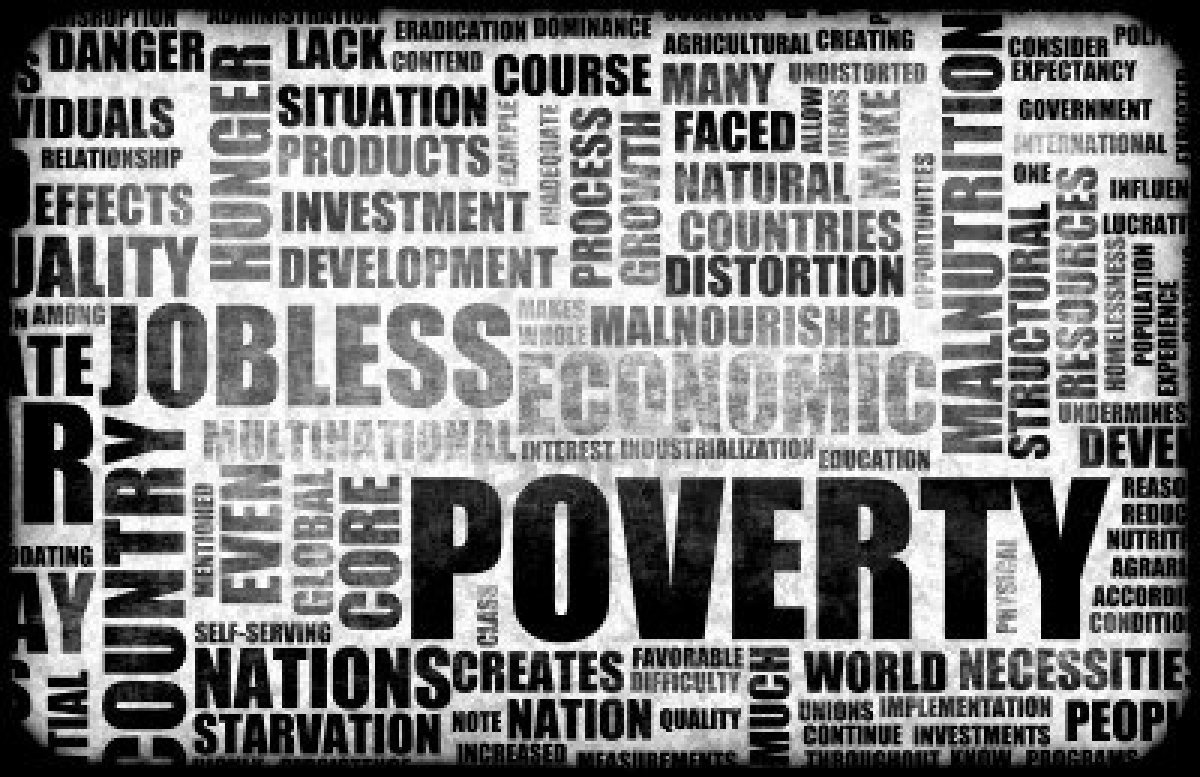
Poverty alleviation is a term that refers to the efforts and actions taken to improve the living conditions and well-being of people who are poor or vulnerable. Poverty alleviation can involve different strategies and measures, such as economic growth, social protection, basic services, empowerment, and social cohesion. Poverty alleviation can also have different goals and indicators, such as income, consumption, health, education, nutrition, and multidimensional poverty. Poverty alleviation is closely related to the concept of poverty reduction, which is another term that is often used to describe the same process.
One possible solution for poverty alleviation is to increase access to economic opportunities among the poor, especially in rural areas where poverty is more prevalent. This can be done by improving the quality and availability of infrastructure, such as roads, electricity, water, and sanitation, which can facilitate trade, mobility, and productivity. Moreover, providing better education and vocational training can enhance the skills and employability of the poor, enabling them to participate in more productive and diversified sectors of the economy. Additionally, promoting entrepreneurship and innovation can create new sources of income and employment for the poor, as well as foster economic growth and competitiveness. Some examples of initiatives that aim to achieve these objectives are the National Poverty Graduation Programme (NPGP) , the Livelihood Support and Promotion of Small Community Infrastructure, and the Growth for Rural Advancement and Sustainable Progress (GRASP) projects, supported by the Pakistan Poverty Alleviation Fund (PPAF).
Please, subscribe to the monthly magazines of republicpolicy.com
Another possible solution for poverty alleviation is to prevent households and individuals from falling into poverty due to income shocks, such as natural disasters, health crises, or economic downturns. This can be done by developing and strengthening social protection systems that can provide timely and adequate assistance to vulnerable and marginalized groups, such as the elderly, the disabled, the widowed, the orphaned, and the refugees. Furthermore, enhancing the resilience and adaptation capacity of the poor to cope with the effects of climate change and environmental degradation can reduce their exposure and vulnerability to these risks. Some examples of initiatives that aim to achieve these objectives are the Building Resilience to Disasters & Climate Change, the Developing Sustainable Livelihoods in Dairy Value Chain, and the Programme for Poverty Reduction projects, supported by the PPAF.
A third possible solution for poverty alleviation is to provide basic needs and services for the chronically poor and those who are unable to work or access economic opportunities. This can be done by ensuring universal access to quality health care, education, nutrition, and sanitation, which can improve the well-being and human capital of the poor, as well as reduce inequality and social exclusion. Moreover, empowering the poor and their organizations, especially women and youth, can enhance their voice and participation in decision-making processes that affect their lives and livelihoods. Additionally, promoting social cohesion and harmony can foster a sense of belonging and solidarity among the poor, as well as reduce the potential for conflict and violence. Some examples of initiatives that aim to achieve these objectives are the Revitalising Youth Enterprise, the Tabeer o Tameer Fund, and the Empowering the Deaf Community projects, supported by the PPAF.
These are some of the possible sustainable solutions for poverty alleviation in Pakistan, but they are not exhaustive or mutually exclusive. A holistic and integrated approach that combines different dimensions and aspects of poverty and involves multiple stakeholders and partners is needed to achieve the goal of eradicating poverty by 2030, as envisioned by the SDGs.
Please, subscribe to the YouTube channel of republicpolicy.com