
Editorial
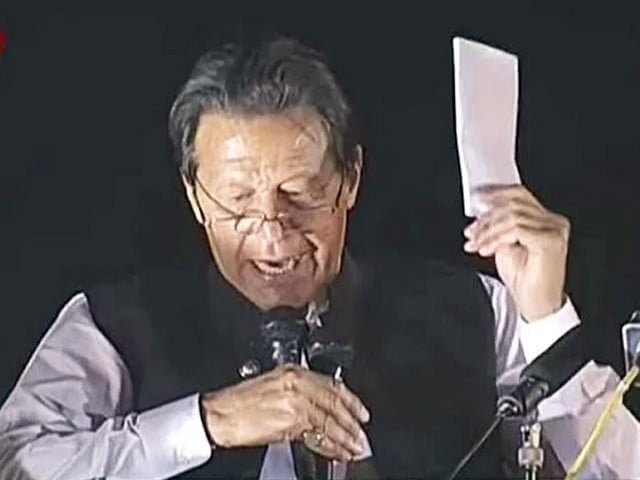
The recent sentencing of Imran Khan, former Prime Minister of Pakistan, to 10 years in prison for leaking state secrets presents a complex and politically charged situation with significant ramifications for the upcoming February 8th elections. This critical evaluation dissects the key aspects of the case, its timing, and potential consequences.
The closed-door proceedings and expedited trial raise concerns about transparency and due process. The timing, just a week before elections, fuels accusations of political targeting to sideline Khan and his party, PTI.
Khan’s supporters view the charges as politically motivated, alleging a crackdown on PTI. The prosecution, however, presents the leak as a serious offence damaging national security and diplomatic relations. Khan’s legal team intends to appeal, but the outcome remains uncertain. The potential for a lengthy legal battle further complicates the political landscape.
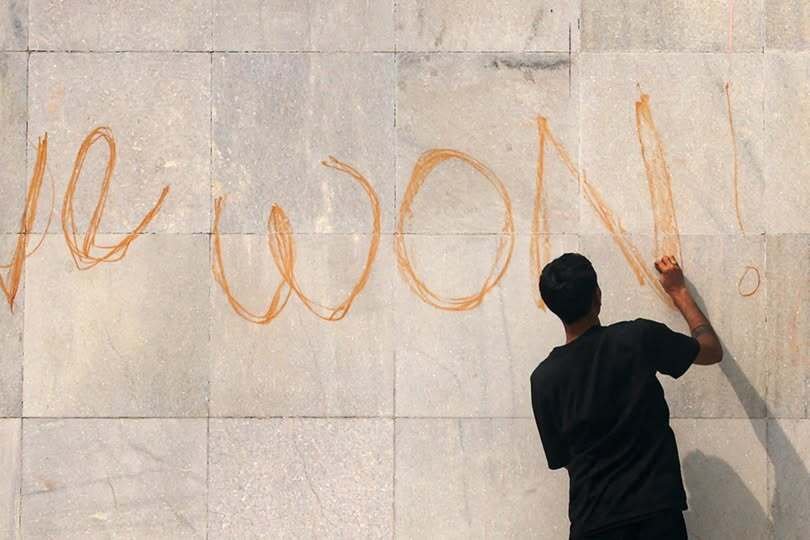
The controversy surrounding Khan’s sentencing and the alleged targeting of PTI raise concerns about the fairness and credibility of the elections. This could lead to voter apathy and disillusionment with the democratic process. The restrictions imposed on PTI, including the ban on their symbol and the imprisonment of key figures, create an uneven playing field for the upcoming elections. This raises questions about whether other parties will have an unfair advantage. Despite his absence from the ballot, Khan remains a popular figure with a strong base of support. His call for “peaceful revenge” through voting could potentially mobilize his supporters and influence the outcome of the elections.
The ongoing political turmoil, fueled by accusations of manipulation and unfairness, could exacerbate societal divisions and threaten Pakistan’s stability.
The controversies surrounding the elections could tarnish the international community’s perception of Pakistan’s democratic process, which could have negative consequences for foreign investment and international relations.
Imran Khan’s sentencing and the surrounding circumstances present a critical juncture for Pakistan’s democracy. Ensuring a fair and transparent election process is crucial to maintaining public trust and preventing further political instability. The international community should closely monitor the situation and encourage dialogue and compromise among all stakeholders to safeguard Pakistan’s democratic future.
Please, subscribe to the YouTube channel of republicpolicy.com