
Editorial
The imbalance between Parliament and the bureaucracy is not merely a question of administrative authority. It is also a struggle over who controls the information, expertise and institutional knowledge that shape public policy.
Pakistan’s governance crisis is often discussed in terms of political instability, weak institutions and an overcentralised administrative structure. Yet one of its less examined dimensions is the unequal distribution of information between elected representatives and the permanent bureaucracy. This imbalance has profound consequences for the quality of legislation, the direction of public policy and the democratic accountability of the state.
The central question is straightforward: how can elected representatives exercise meaningful authority over public policy when the information required to make decisions remains concentrated within the administrative machinery they are constitutionally expected to oversee?
The bureaucracy occupies a privileged position in the state’s information architecture. It manages official records, controls access to administrative data, prepares policy briefs, interprets regulations and oversees the procedures through which government decisions are processed. Its institutional memory and technical expertise give it a considerable advantage in understanding how the state operates. These capabilities are necessary for effective administration. The problem emerges when the same advantages become instruments of institutional dominance.
Legislators, by contrast, often enter public office without access to an equivalent institutional infrastructure. They may possess political experience, public legitimacy and an electoral mandate, but these attributes do not automatically provide the research capacity, technical expertise or independent information systems required for complex lawmaking. When parliamentary committees and individual legislators depend heavily on government departments for statistics, policy assessments and legislative inputs, their ability to scrutinise the executive becomes structurally constrained.
This creates an institutional paradox: the elected representatives responsible for making laws and holding the government accountable may have to rely on the very administrative institutions whose performance they are expected to examine.
The politics of information
Information is not simply an administrative resource; it is a source of institutional power. Whoever controls the production, interpretation and circulation of information can influence how problems are defined, which policy options are considered and what decisions ultimately reach the political executive.
A department that prepares the initial policy assessment often shapes the choices presented to ministers and legislators. The selection of data, the framing of alternatives and the identification of administrative constraints can influence the outcome long before a proposal reaches the formal decision-making stage.
This does not mean that bureaucratic expertise is inherently incompatible with democratic government. Modern states cannot function without professional civil services. The distinction, however, must remain clear: expertise should inform elected authority, not displace it. Administrative knowledge is meant to strengthen political decision-making, not create an alternative centre of power beyond meaningful democratic scrutiny.
The issue, therefore, is not whether Pakistan needs a capable bureaucracy. It does. The real question is whether the country has built legislative institutions capable of engaging with, testing and independently evaluating the information supplied by the executive.
From political authority to institutional capacity
Democratic authority cannot be sustained through constitutional status alone. It requires institutional capacity. Legislatures need professional research services, independent policy analysis, access to reliable public data and technically equipped parliamentary committees. Members must be able to question official assumptions, examine the financial and administrative implications of proposed legislation and assess whether government policies are delivering their intended results.
Without these capabilities, parliamentary oversight risks becoming procedural rather than substantive. Questions may be asked, reports may be presented and debates may take place, but meaningful scrutiny remains difficult when legislators lack the independent knowledge required to challenge the information placed before them.
This weakness also affects the quality of legislation. Laws prepared without sufficient independent research and technical examination may contain implementation gaps, administrative ambiguities and unintended consequences. In such circumstances, the bureaucracy may subsequently acquire even greater influence through its role in interpreting and implementing legislation.
The result is a cycle in which weak legislative capacity reinforces administrative dominance, while administrative dominance makes it harder for legislatures to develop independent expertise.
Rebalancing the institutional relationship
Pakistan must move beyond the assumption that strengthening Parliament necessarily means weakening the civil service. The two institutions perform different but complementary functions. A professional bureaucracy provides continuity, technical competence and administrative execution; an effective legislature establishes the legal framework, represents public interests and holds the executive accountable.
Rebalancing this relationship requires investment in parliamentary research and legislative drafting services, independent access to government data, stronger committee systems and specialised policy expertise. Parliamentary institutions should be equipped to examine budgets, evaluate regulatory proposals and scrutinise public-sector performance without depending exclusively on the departments under review.
Equally important is a culture of administrative transparency. Public information should be treated as an institutional resource belonging to the state and its citizens, not as the exclusive preserve of individual departments. Timely access to accurate data, properly documented decisions and clear explanations of policy choices are essential to accountable government.
The question Pakistan must confront
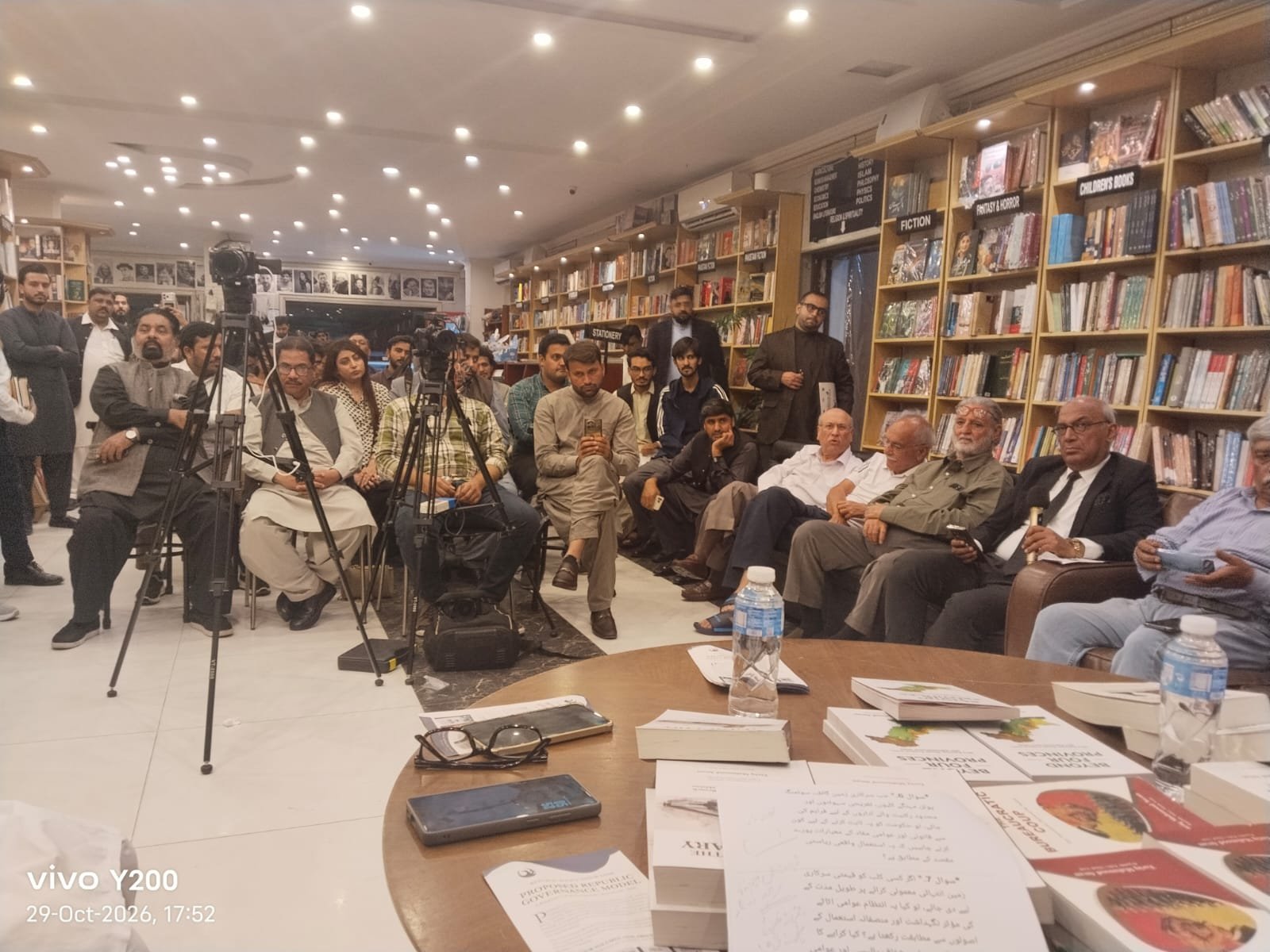
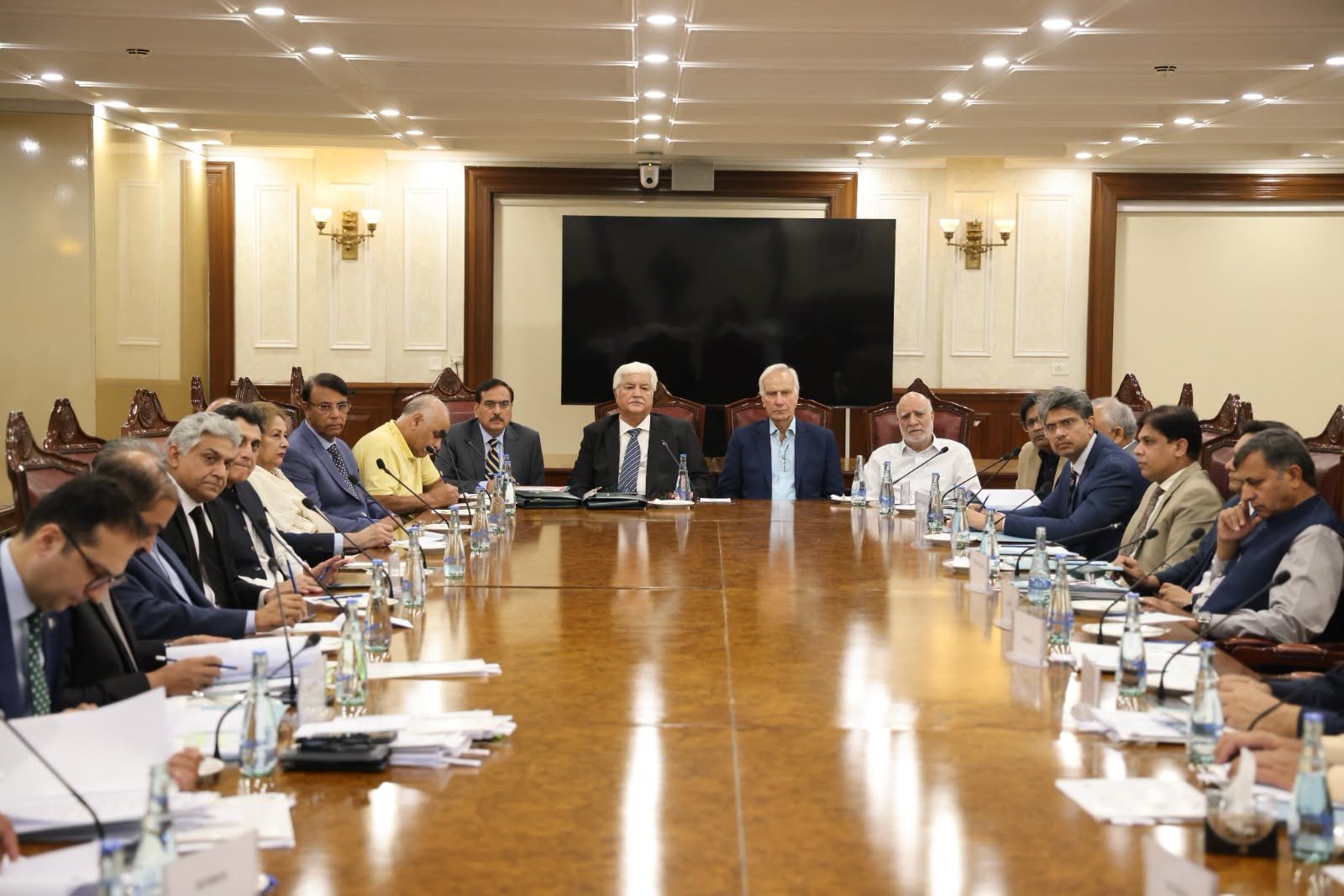
During a discussion hosted by Republic Policy, Chaudhry Iftikhar Chhachhar, Member of the Punjab Assembly, highlighted the relationship between legislators’ limited institutional capacity and the extraordinary influence of the bureaucracy. His observation draws attention to a fundamental weakness in Pakistan’s governance structure: elected authority cannot translate into effective control when the institutional means of understanding and directing the state remain concentrated elsewhere.
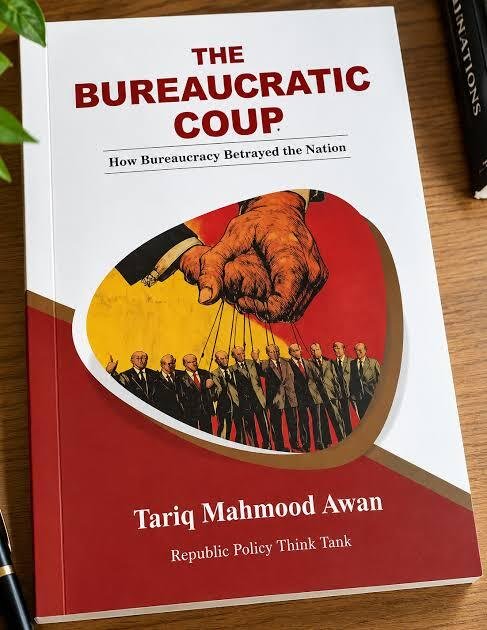
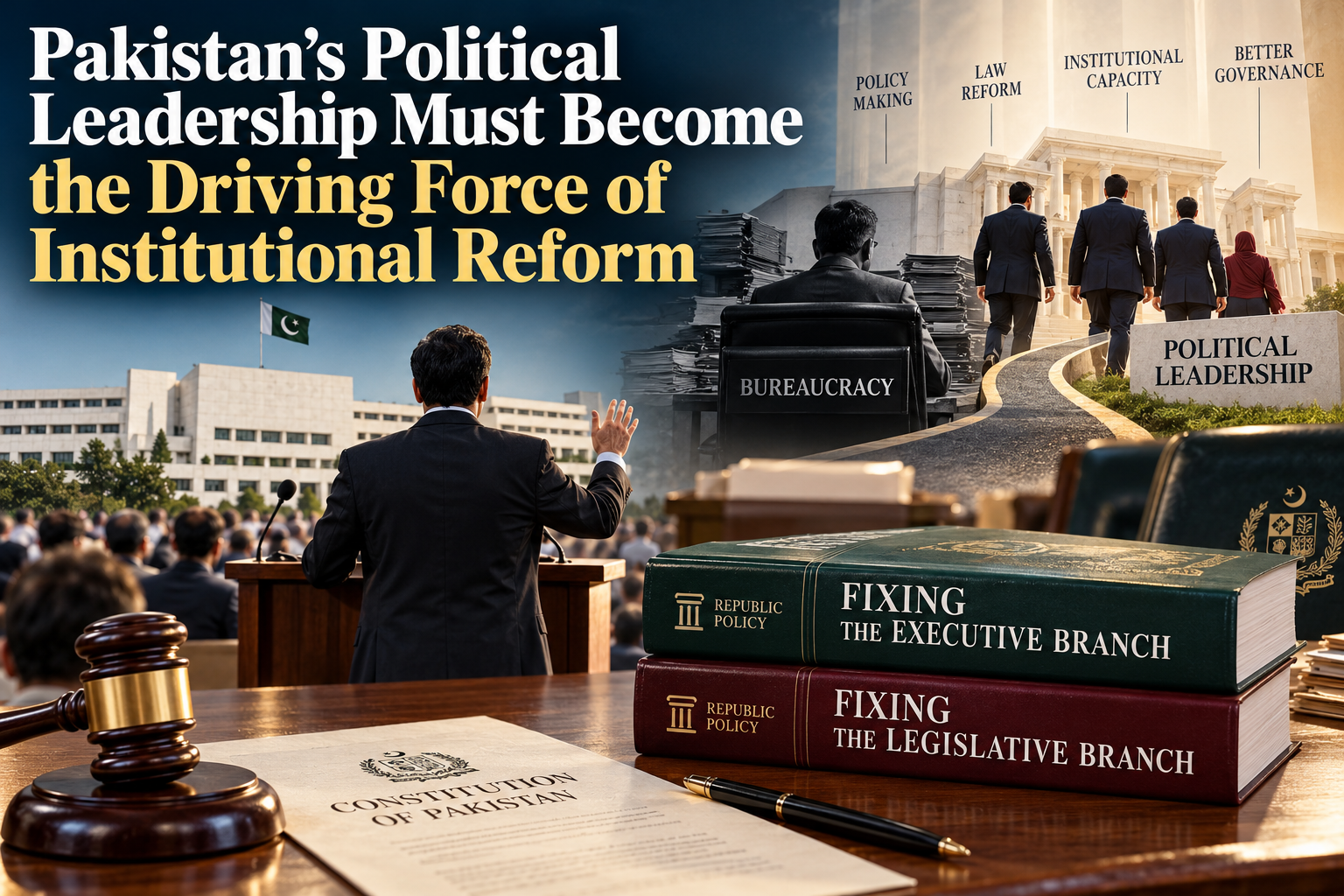
Republic Policy’s book, Fixing the Legislative Branch of Government in Pakistan, examines these questions through the broader challenge of strengthening legislative institutions, addressing bureaucratic dominance and improving the policy-making capacity of political leadership.
Pakistan’s democratic development depends not only on who occupies elected office, but also on whether elected institutions possess the knowledge and institutional resources necessary to exercise their authority. A legislature that cannot independently access information, test administrative claims or evaluate policy alternatives cannot fully perform its constitutional role.
The future of democratic governance in Pakistan will depend, in no small measure, on correcting this imbalance. The bureaucracy must remain professionally strong, but Parliament must become institutionally capable. Public policy should be informed by administrative expertise, yet ultimately directed and scrutinised by representatives who possess the independent capacity to make informed decisions.
Republic Policy | Governance. Institutions. Public Policy.
Further Reading: Fixing the Legislative Branch of Government in Pakistan
Book enquiries: 0341-4222501