
Editorial
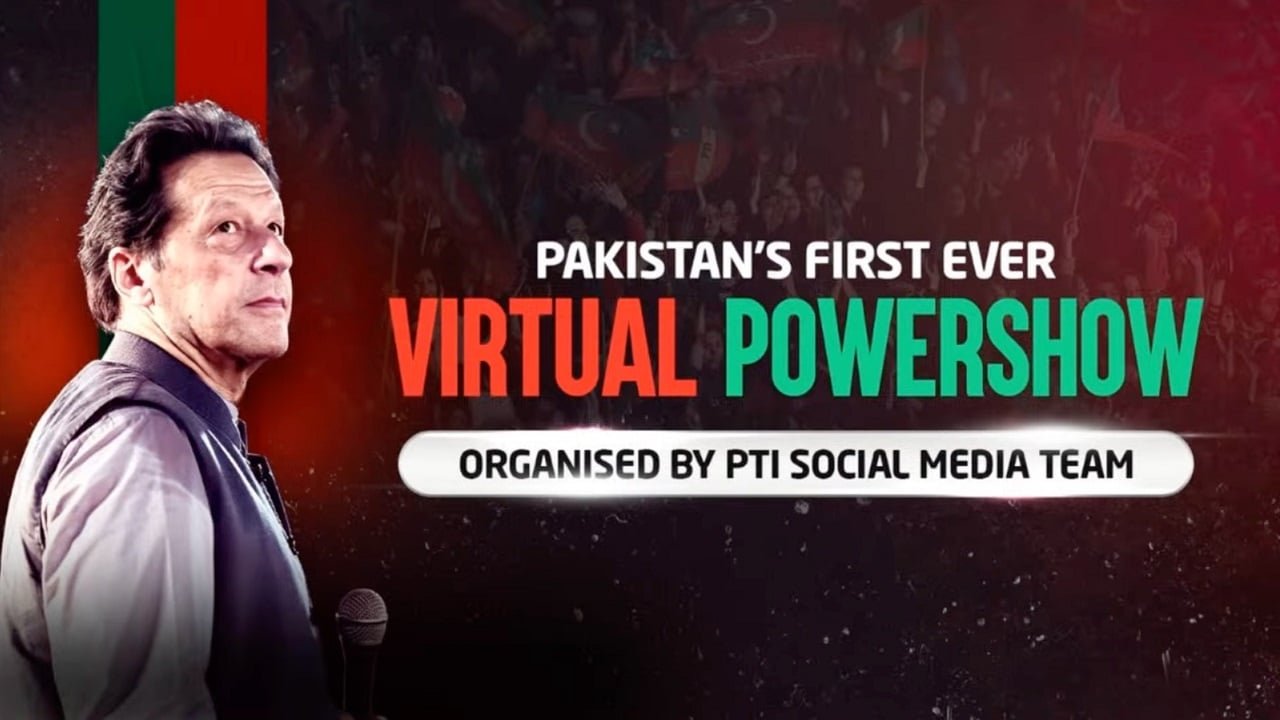
As Pakistan gears up for its February 8th election, the campaign trail presents a fascinating narrative of contrasting strategies and muted voices. On one hand, Imran Khan’s embattled PTI party navigates a web of restrictions, employing innovative tactics like female volunteers and AI-generated speeches. On the other, concerns linger about limited access to information and potential interference, raising questions about the fairness of the process. Instead of traditional rallies, PTI deploys discreet door-to-door canvassing led by women, leveraging their perceived non-threatening nature. This strategy highlights both innovation and adaptation in the face of limitations. Additionally, the party utilizes AI to create Khan’s virtual presence, showcasing its tech-savvy approach.
With restricted traditional campaigning, PTI prioritizes online outreach. However, concerns arise due to internet disruptions coinciding with virtual rallies, raising questions about neutrality and access to information. This digital battleground becomes crucial, especially with limited smartphone penetration and patchy connectivity in parts of the country. While the article presents diverse viewpoints, it lacks an in-depth analysis of the accusations against Khan and his party’s past record. Additionally, the potential role of the powerful military and its influence on the election remains largely unexplored. These silenced voices are crucial for a comprehensive understanding of the complex dynamics at play.
While Khan’s popularity and PTI’s innovative tactics garner attention, the bigger picture demands scrutiny. The economic situation, the influence of social media, and the role of other parties like PML-N deserve exploration. Addressing these aspects provides a more nuanced understanding of the forces shaping the election.
Ultimately, Pakistan’s election presents a story of resilience, innovation, and limitations. However, a truly informed analysis requires moving beyond the headlines and delving into the silenced voices, unanswered questions, and the broader context that shapes this crucial democratic process.
Please, subscribe to the YouTube channel of republicpolicy.com