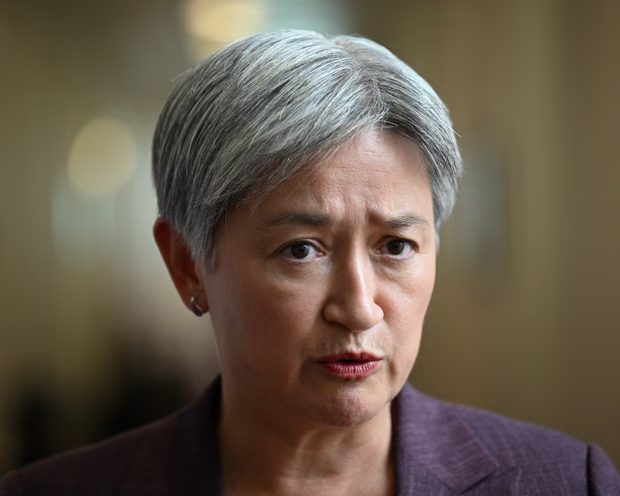

Australia’s Foreign Minister Penny Wong is set to deliver a pointed warning to China over its rapid military expansion, including its nuclear arsenal, arguing that Beijing’s buildup has come without the transparency the region expects.
“It comes in the context of China’s rapid military buildup, including of its nuclear arsenal, without the transparency or reassurance the region expects,” Wong will say. “Which is why Australia has described the test as provocative and destabilizing.”
The comments follow Wong’s 12th meeting with China’s Foreign Minister Wang Yi, held on the sidelines of the ASEAN summit on Tuesday night AEST. Wong had already sharpened her language toward Beijing earlier in the week, calling its conduct “destabilizing and dangerous” after the Philippine military accused the China Coast Guard of clubbing a Filipino sailor with a baton during an incident on a disputed shoal in the South China Sea on Monday.
“We will continue to register our concerns about China’s vessels engaging in destabilizing and dangerous conduct in the South China Sea, including towards Philippine, Vietnamese, Malaysian, and Indonesian vessels,” Wong will say on Thursday.
The tension has been compounded by China’s recent long-range missile test in the South Pacific, which came just hours after Australia signed a new defense agreement with Fiji, drawing widespread condemnation from Beijing. Prime Minister Anthony Albanese said he was concerned about the missile’s long-range capabilities, warning it could cause “considerable, considerable damage were it to be weaponized.”
A Second Warning Over the Strait of Hormuz
Speaking in Manila, Wong will also caution the region against the risks of a “weaponized” Strait of Hormuz should the United States and Iran fail to sustain their ceasefire. Fighting between the two nations has resumed sharply, with Washington launching consecutive strikes on Iran in an effort to force the strait’s reopening. Iran’s president said Tuesday that the country is now in a “full-scale war” after the US widened its aerial campaign and Tehran struck American allies across the Gulf. Iran’s Houthi allies in Yemen have separately announced a blockade of Saudi ports.
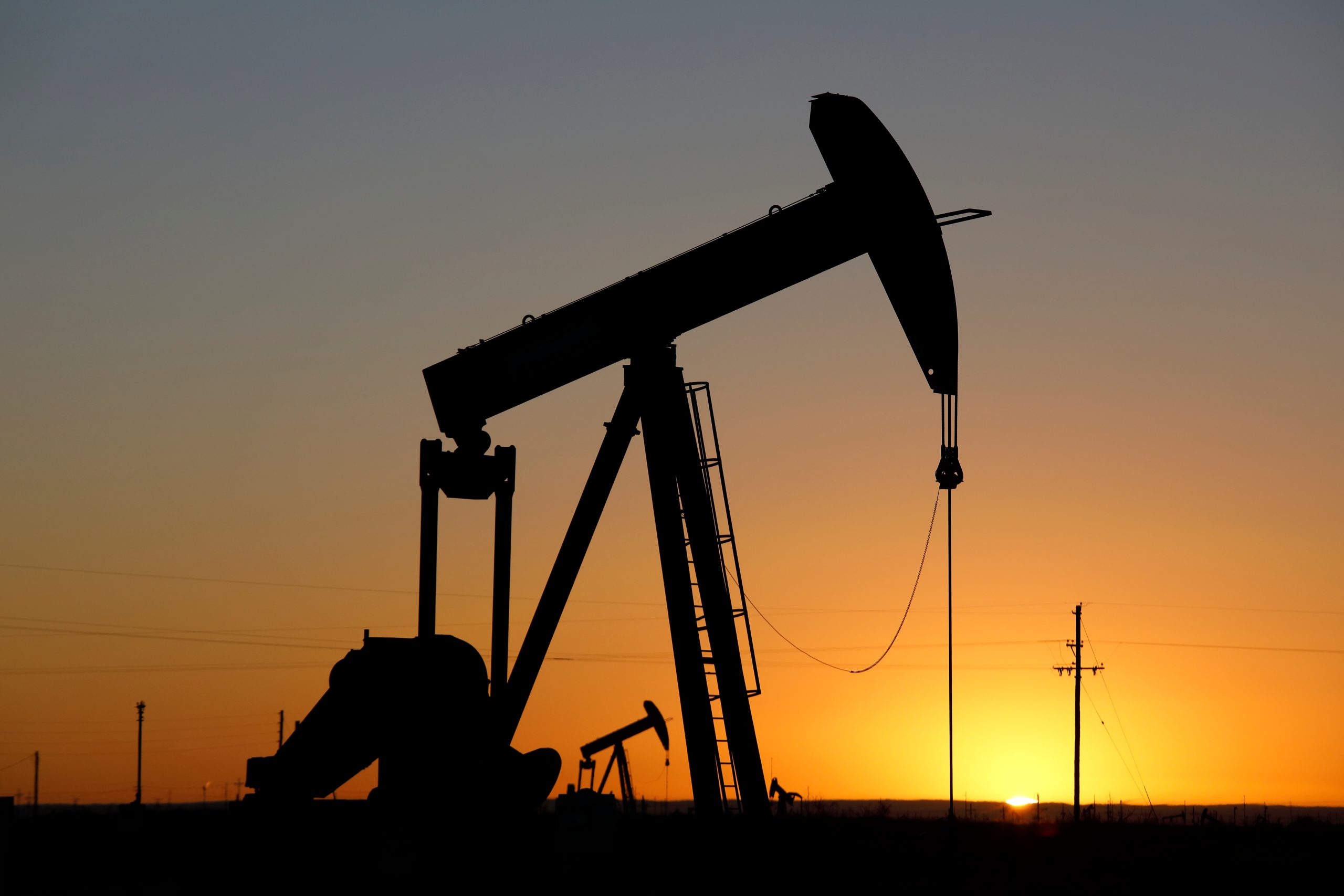
The renewed conflict has driven the international Brent crude benchmark up 23% over the past two weeks, pushing it back toward $90 a barrel. In Australia, the price surge has lifted diesel above 220 cents per liter and petrol above 187 cents in some cities, with Commonwealth Bank chief economist Luke Yeaman predicting the federal government may need to reinstate the fuel excise discount at 32 cents.
Wong will tell ASEAN leaders that much of the region remains fuel- and energy-dependent on the strait, calling the situation a “grave challenge.” “Across south-east Asia, energy prices have spiked, costs for families and businesses increased, and we continue to see ongoing pressure on food production,” she will say. “The strait of Hormuz shows what we in this region have always understood. That people suffer when a strait is weaponized. And we all know that the costs of tolls on any chokepoint would not be solely economic. Our people depend on straits and sea lanes remaining open.”
Wong will also frame ASEAN cooperation on Australia’s supply and trade gaps as mutually beneficial. “Because what goes to Australia as fuel and fertilizer comes back to the region as food,” she will say.