Pakistan stands at a defining crossroads. For decades, power has remained concentrated in the hands of a central elite, leaving ordinary citizens disconnected from the decisions that shape their daily lives. Two reforms, long debated but never decisively pursued, hold the potential to fundamentally alter this reality: a genuine local government system and the creation of smaller, administratively coherent provinces with their own civil services.
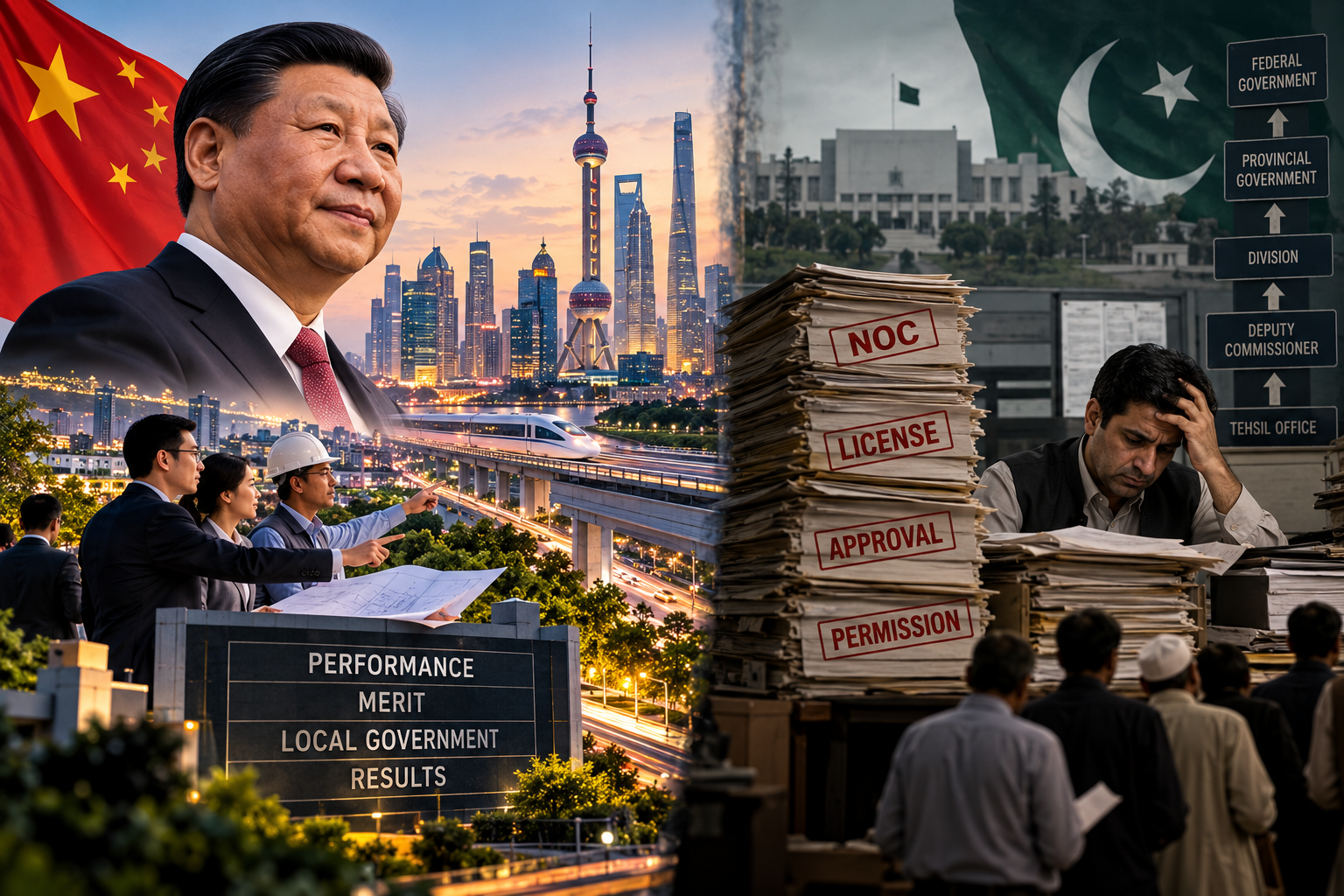
Local government is not a luxury. It is the most direct expression of democratic governance. When communities can elect their own representatives, manage their own resources, and hold officials accountable at close range, the state stops being an abstraction and starts becoming a lived reality. Roads get repaired because the man responsible lives on the same street. Schools stay open because the officer overseeing them answers to local parents, not a distant bureaucrat in a provincial capital.
Smaller provinces serve an equally vital purpose. Pakistan’s existing administrative units are, in several cases, ungovernable in their current form. Punjab alone carries nearly half the country’s population. This demographic and administrative imbalance distorts federal politics, breeds resentment, and makes equitable resource distribution nearly impossible. Carving out smaller, more manageable units with their own civil services would bring administration closer to the people, reduce inter-provincial tension, and give neglected regions a genuine political voice.
Together, these two reforms would reinforce rather than weaken the federation. A federation does not draw strength from centralisation. It draws strength from the willing participation of its constituent units, each empowered enough to govern itself yet bound by shared national purpose.
Pakistan cannot continue deferring these changes. Every year of delay deepens the democratic deficit and widens the distance between the state and its citizens. The time for half-measures has long passed.