
As Washington unveils its latest push to squeeze Iran’s economy, Tehran is threatening a regional and global response designed to raise the cost for the United States and beyond.
At a Monday news conference, Treasury Secretary Scott Bessent announced that the US would target the elaborate network Iran has built over years to help its entities dodge Washington’s sweeping sanctions regime. The move comes six months into a war launched by the US and Israel that has since settled into a stalemate, with no diplomatic breakthrough in sight.
The new secondary sanctions target Iranian trade partners operating in sectors the Islamic Republic relies on to prop up its economy, including digital assets, technology, and shipping. Even so, the long-anticipated announcement, framed by some as Trump’s economic “D-Day,” left many observers underwhelmed, with Washington opting to hold back on major new measures and instead focus on expanding enforcement of existing sanctions, while warning that tougher penalties could still follow for countries unwilling to cut economic ties with Tehran.
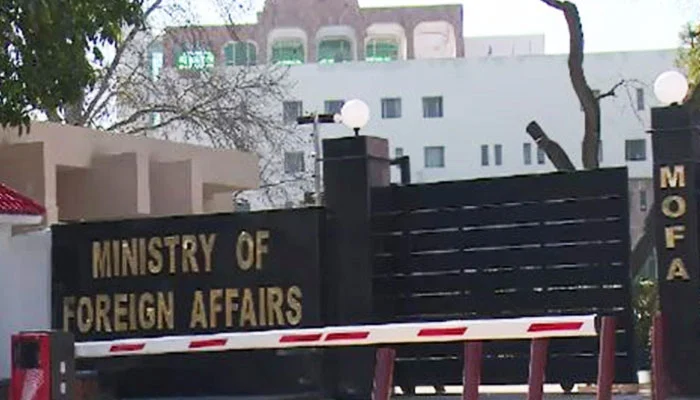
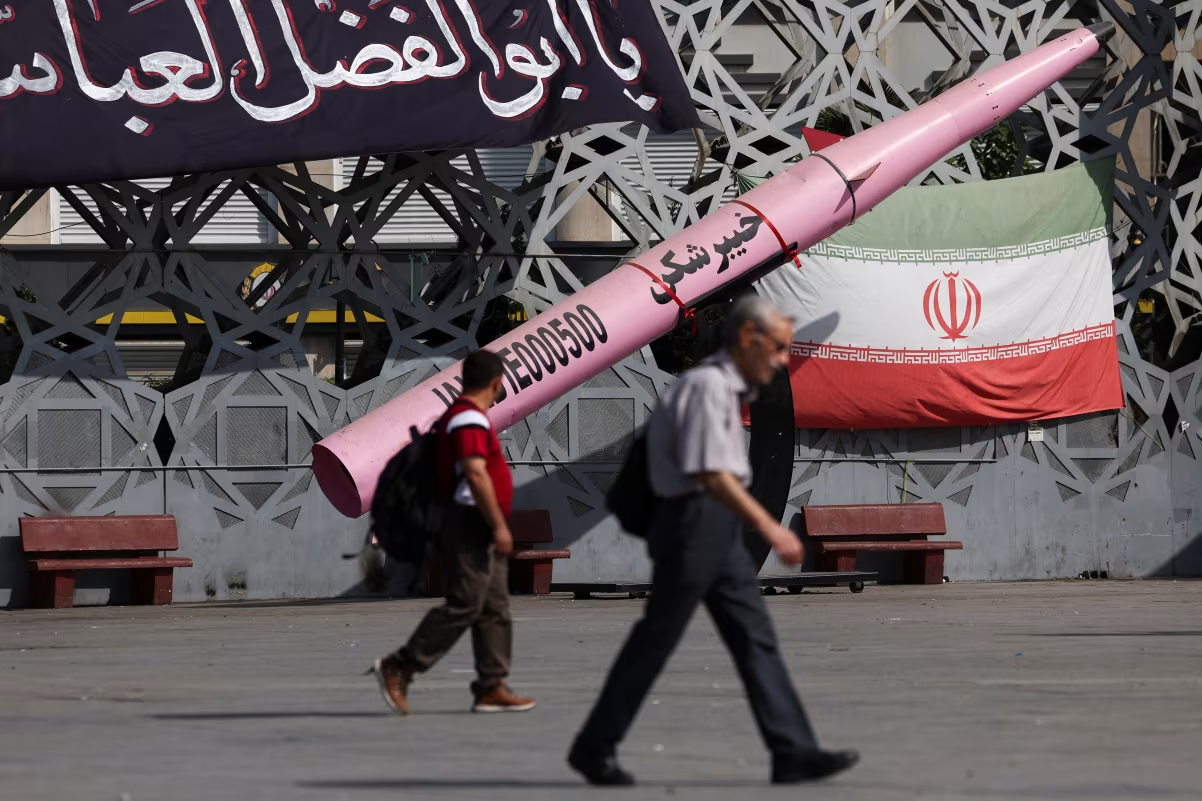
Rather than back down, Iran is emphasizing its own capacity to inflict reciprocal harm, threatening expanded strikes on regional oil producers and European targets, and even hinting at weaponizing its nuclear programme. Iran’s Foreign Ministry spokesperson, Esmail Baghaei, told reporters Monday that Tehran had spent years mastering a strategic, calculated approach to confrontation, and had more recently begun blending that with a willingness to take bold, high-stakes risks.
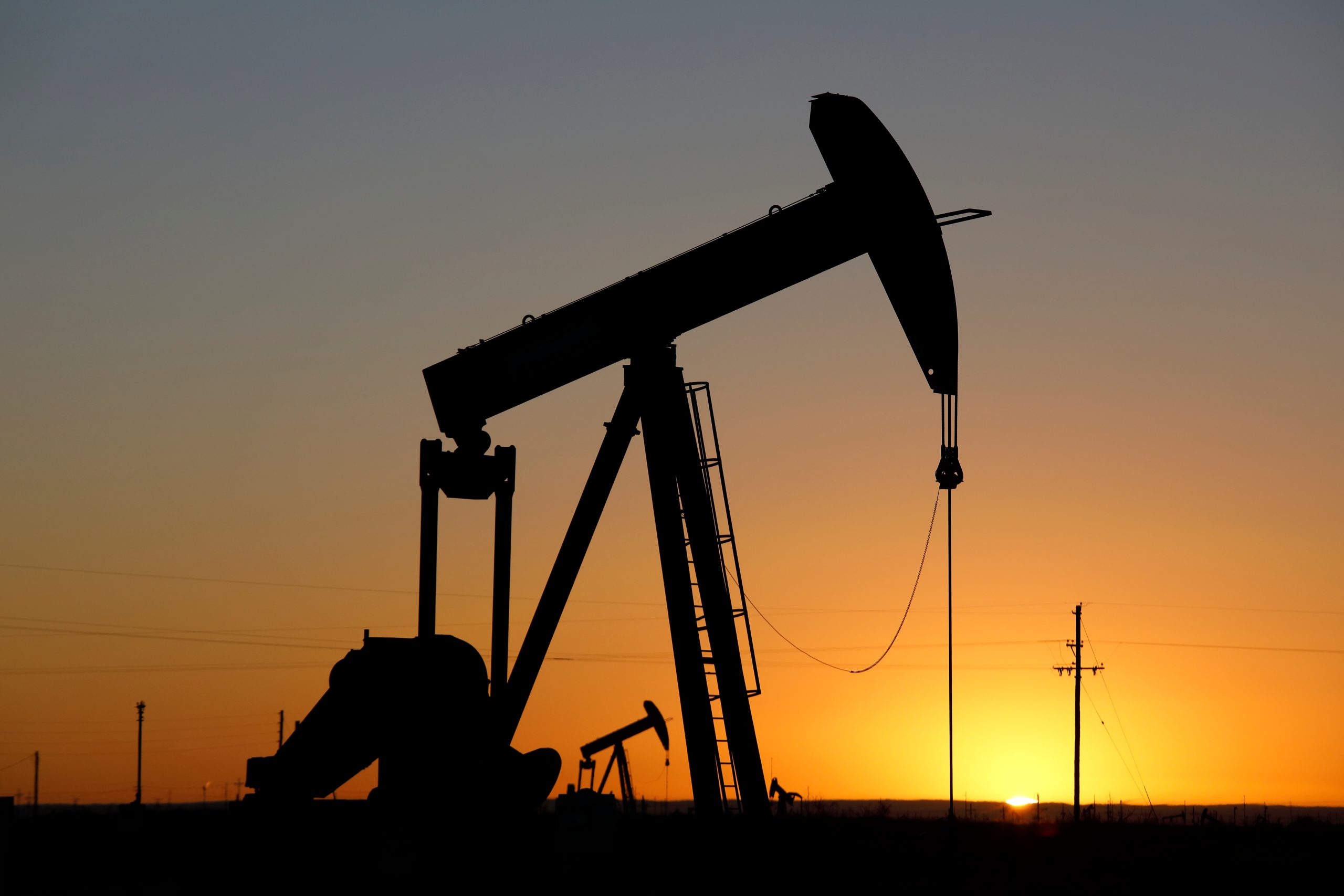
Driving the Price of Oil Even Higher
For months, Iran has blocked vessels from transiting the Strait of Hormuz, a route that before the war carried roughly a fifth of the world’s oil and gas supply. Iran’s Yemeni proxy, the Houthi movement, has separately opened a new front in the Red Sea, targeting Saudi oil exports and infrastructure.
Now, senior Iranian military officials are threatening to strike energy targets beyond the strait itself, potentially hitting emerging shipping routes designed to bypass the chokepoint altogether. Mohsen Rezaei, head of Iran’s Supreme National Security Council, warned on X that continued economic pressure would result in the complete halt of oil exports from anywhere in the Persian Gulf, not just the strait, and separately told a television interview that Iran’s retaliation would be seismic in scale.