
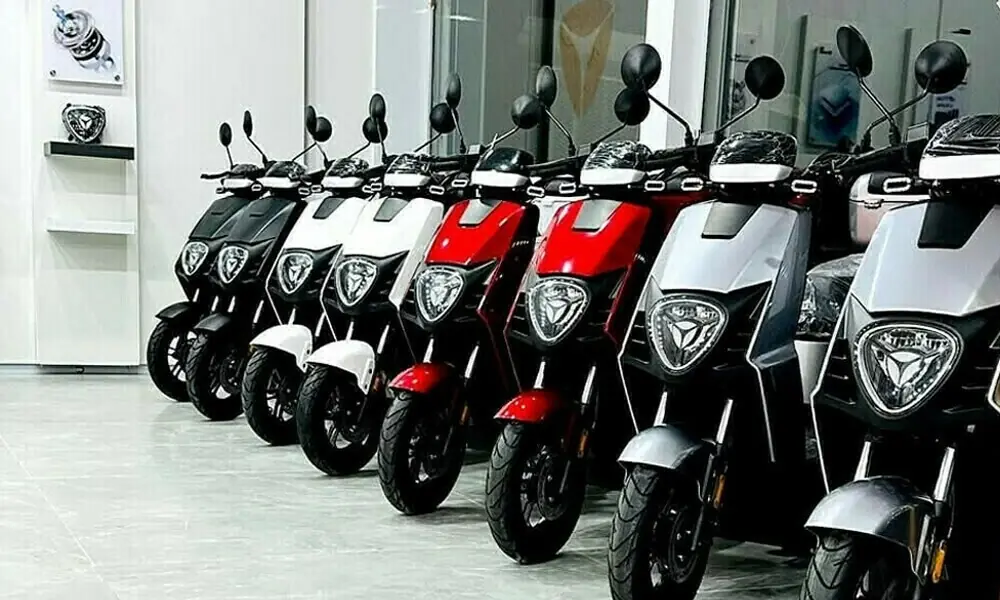

Pakistan’s leading tractor manufacturer, Millat Tractors Ltd, is preparing to enter the country’s electric mobility market with the launch of five lithium-ion-powered motorcycles and scooters on November 29, as the company diversifies its business beyond agricultural machinery and moves into the growing electric vehicle segment.
Millat Tractors Ltd (MTL), part of the Millat Group, is set to launch five electric two-wheelers as it seeks to expand its industrial footprint and tap into emerging demand for affordable, energy-efficient transportation in Pakistan. The launch, announced during a corporate briefing to investors, represents a significant diversification move for the country’s largest tractor manufacturer, which has traditionally focused on agricultural machinery and related equipment.
The new electric motorcycles and scooters will be manufactured through Millat Industrial, a subsidiary of MTL, which is expected to have an annual production capacity of 250,000 units. According to information shared by Topline Securities following its participation in the corporate briefing, the company has already assigned dealers and initiated production of the electric two-wheelers ahead of the scheduled launch.
The entry into the electric vehicle market comes at a time when Pakistan is increasingly looking towards electric mobility as an alternative to conventional fuel-powered transportation. Rising fuel costs, pressure on household budgets, urban pollution and government efforts to promote cleaner transport have contributed to growing interest in electric motorcycles and scooters.
For Millat Tractors, the move opens a new consumer market beyond its established agricultural customer base and potentially creates another avenue for growth as it navigates fluctuations in tractor demand, agricultural financing and farmers’ purchasing power.
The planned production capacity of 250,000 electric two-wheelers annually signals the scale of the company’s ambitions, although actual production and sales volumes will ultimately depend on consumer demand, pricing, distribution, competition and the pace of adoption of electric vehicles in Pakistan.
Millat Industrial to manufacture electric two-wheelers
Millat Industrial, the subsidiary responsible for manufacturing the new electric bikes and scooters, will serve as the production arm of the company’s expansion into electric mobility. With an annual manufacturing capacity of 250,000 units, the facility positions the company to potentially serve a substantial portion of Pakistan’s electric two-wheeler market as it develops.
The company has reportedly already assigned dealerships and begun production, suggesting that preparations for the launch are moving beyond planning into operational execution. The November 29 launch will introduce five lithium-ion-powered models, marking Millat’s formal entry into a consumer mobility segment that has attracted increasing attention from manufacturers and investors.
The move also reflects a broader trend among established Pakistani industrial companies seeking to diversify their product portfolios. Traditional manufacturers are increasingly exploring new segments in response to changing consumer demand, technological developments and opportunities arising from the transition towards cleaner energy and transportation.
Millat Tractors’ established manufacturing experience, nationwide business presence and dealer relationships could provide an advantage as it enters the electric two-wheeler market. However, the company will also face the challenge of building consumer confidence in its new products, establishing after-sales services and competing in a market where affordability and reliability are likely to be major purchasing considerations.
Tractor sales show mixed performance under Green Tractor Scheme
Alongside its electric mobility plans, Millat Tractors provided an update on its core agricultural machinery business, which continues to remain central to its operations.
Under the FY26 Green Tractor Scheme, approximately 15,000 of the 19,500 tractors allocated were sold. The performance varied between the high-horsepower and low-horsepower categories, reflecting differences in demand and customer uptake.
Approximately 95 per cent of the 10,000 high-horsepower tractors allocated under the scheme were sold, while around half of the allocated customers under the second, low-horsepower scheme took delivery of their tractors.
The figures indicate comparatively stronger demand for high-horsepower machinery under the scheme, while delivery uptake in the low-horsepower segment remained relatively weaker. The scheme has provided support to tractor sales, but the differing delivery rates also reflect the challenges facing farmers, including affordability, financing constraints and the wider economics of agricultural production.
Management expects tractor industry volumes to recover gradually over the coming years as agricultural economics improve and purchasing activity stabilises. The industry, currently estimated at around 28,000 to 30,000 units, is expected to reach approximately 35,000 units over the next couple of years, with the longer-term potential of expanding to 50,000 units as conditions for farmers improve.
The expected recovery remains dependent on the broader agricultural environment, particularly farmers’ incomes, crop prices, input costs and their ability to finance machinery purchases.
Export strategy shifts towards Mexico and African markets
Millat Tractors is also seeking to strengthen its export business as it looks beyond domestic demand for growth. The company exported approximately 1,384 tractors during FY26, including 350 units shipped to Afghanistan before the closure of the border.
Following the disruption of exports to Afghanistan, management has diversified its export markets, with Mexico and African countries emerging as new destinations for its products.
The company aims to increase exports from approximately 1,000 units, excluding Afghanistan, to 2,000 units. Mexico is expected to contribute between 600 and 700 units to the targeted export volume, potentially becoming an important market in Millat’s international expansion strategy.
Management also highlighted the company’s pricing competitiveness, indicating that its price per horsepower is lower than that of comparable tractor manufacturers in India and China. However, establishing a stronger presence in African markets may take time because of intense competition, according to the brokerage’s account of the briefing.
Expanding exports could help Millat reduce its dependence on Pakistan’s domestic tractor market, which remains vulnerable to agricultural cycles, farmers’ purchasing power, government subsidy programmes and changes in financing conditions.
Diversification beyond agricultural machinery
Millat Tractors is engaged in the manufacturing and sale of tractors, diesel generating sets, prime movers, diesel engines and forklift trucks. Its established operations include manufacturing Massey Ferguson tractors under a licensing agreement with AGCO Ltd, United Kingdom, and forklift trucks under a licence from Anhui Forklift Trucks of China.
The company’s entry into electric motorcycles and scooters represents a notable expansion of its manufacturing portfolio, moving into a consumer-oriented segment with different market dynamics from its traditional agricultural business.
The electric mobility initiative, combined with its export ambitions and expectations of recovery in tractor industry volumes, reflects Millat’s broader strategy to pursue multiple growth avenues.
Pakistan’s electric two-wheeler market is attracting manufacturers looking to capitalise on changing transportation preferences and the search for alternatives to petrol-powered motorcycles. However, sustained growth will depend on competitive pricing, battery performance, charging infrastructure, consumer financing, dependable after-sales support and confidence in long-term product reliability.
Millat’s November 29 launch will therefore be an important first step in determining how effectively an established industrial manufacturer can translate its manufacturing capabilities and market presence into a competitive position in Pakistan’s emerging electric mobility industry.
The company’s diversification comes as it continues to navigate challenges in its traditional tractor business while pursuing recovery in agricultural machinery demand and expanding its international footprint. Its electric two-wheeler venture could add a new dimension to Millat’s growth strategy, potentially bringing the company into a market that is increasingly shaped by technological change, energy costs and the transition towards cleaner transportation.