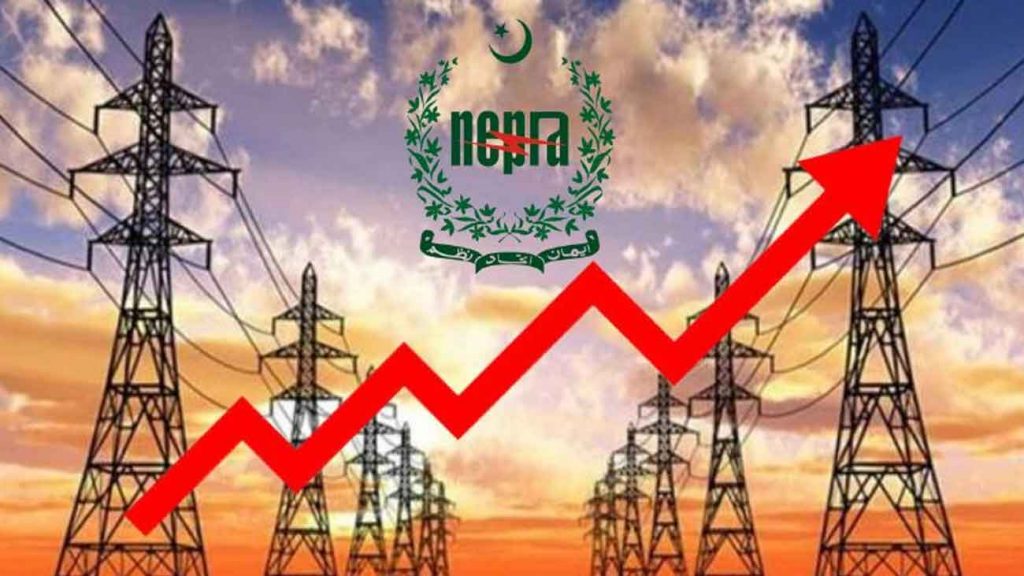

ISLAMABAD: The National Electric Power Regulatory Authority (Nepra) has introduced draft regulations proposing standalone electricity systems in selected areas of Pakistan, aiming to address persistent distribution losses, poor bill recoveries, unreliable electricity services, and the financial burden of maintaining conventional power networks.
The proposed framework, titled the National Electric Power Regulatory Authority Standalone Electric Power System (Pilot Projects) Regulations, 2026, would enable federal and provincial governments to establish independent electricity supply arrangements in locations where existing distribution infrastructure has become economically unsustainable or operationally inefficient.
Under the proposed regulations, standalone systems would operate independently of national and provincial electricity grids. These arrangements would incorporate electricity generation facilities, potentially supported by energy storage technologies, alongside the necessary infrastructure for supplying power directly to consumers.
The initiative primarily targets remote communities and areas experiencing consistently high electricity losses, weak revenue collection, inadequate service quality, or excessive infrastructure maintenance costs.
According to the draft, federal and provincial governments would be responsible for developing and sponsoring eligible projects. Each sponsoring government could initially establish a maximum of two pilot projects within the jurisdiction of a distribution licensee. However, Nepra would retain the authority to approve additional projects upon receiving a formal government request.
The proposed regulations also establish procedures for coordinating with existing electricity distribution companies.
A sponsoring government would be required to obtain consent from the relevant distribution licensee before notifying a standalone electricity scheme. Once officially notified, the designated geographical area would be removed from the existing service territories of the distribution company and the licensed supplier responsible for electricity provision.
This arrangement would allow independent electricity systems to operate within clearly defined jurisdictions without overlapping existing distribution licences.
Importantly, the draft includes safeguards intended to prevent interruptions in electricity supply during the transition. Existing distribution companies would only be permitted to disconnect eligible consumers after the alternative standalone electricity system had been installed.
The provision seeks to ensure that consumers are not deprived of electricity before replacement arrangements become available.
Nepra has issued the draft regulations for public consultation under Section 47(3) of the Regulation of Generation, Transmission and Distribution of Electric Power Act, 1997.
Stakeholders, industry representatives, electricity providers, and interested citizens have been invited to submit their observations and recommendations to the Nepra Registrar within 30 days of publication.
The proposed framework represents a potential shift towards decentralised electricity supply, particularly in areas where conventional grid-based distribution has struggled to deliver financially sustainable and reliable services.
However, the effectiveness of the initiative would depend on its implementation, financial viability, regulatory oversight, and the ability of standalone systems to provide consistent electricity to affected consumers.