
Zafar Iqbal
Pakistan’s economy did not arrive at its current predicament by accident. It was steered here, gradually and deliberately, through decades of policy choices that elevated consumption over production, rewarded importers over manufacturers, and left the export sector to fend for itself. The consequences are now structural, deeply embedded, and resistant to the kind of quick fixes that annual budgets typically offer.
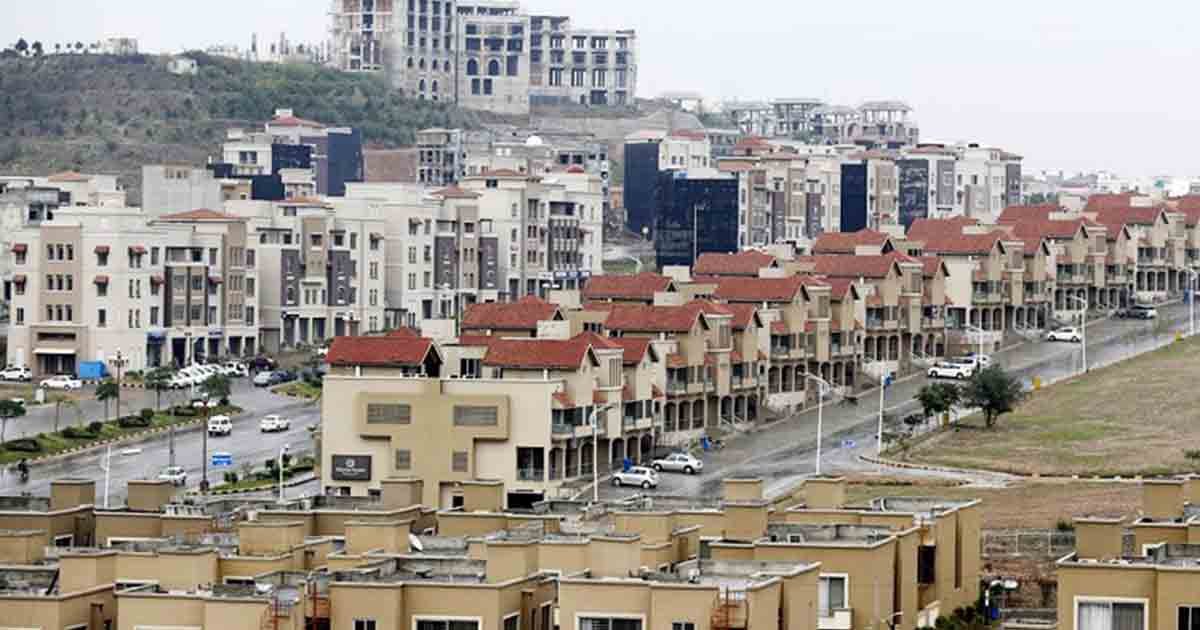
For much of the past four decades, the incentive architecture of Pakistani economic policy favoured the import of finished goods. Cheap consumer imports satisfied urban demand and kept inflation temporarily manageable, but they did so at a heavy cost. Domestic manufacturers, unable to compete with subsidised or under-invoiced foreign goods, either collapsed or retreated into protected niches. Industrial capacity stagnated. Investment in productive enterprise dried up. A country that ought to have been building factories and supply chains was instead building shopping plazas stocked with foreign merchandise.
The shift was not incidental. It reflected the priorities of those who controlled policy: trading interests, rent-seeking networks, and a civil-military establishment more comfortable managing consumption than nurturing production. The result was an economy structurally dependent on imports for everything from machinery to everyday consumer goods, and chronically short of the foreign exchange needed to pay for them. Exports, meanwhile, remained concentrated in a narrow band of low-value textile products, leaving Pakistan dangerously exposed whenever global commodity prices shifted or domestic costs rose.
This is the inheritance with which every successive government has had to wrestle, and none has managed to break out of it decisively. The reason is not hard to find. Transforming a consumption-based economy into a production-based one requires more than fiscal manoeuvring. It requires governance. It requires a state capable of enforcing contracts, protecting investors, regulating markets honestly, and delivering services efficiently. Pakistan has struggled on all these fronts simultaneously.
The federal budget for 2026-27, like the budgets that preceded it, will be presented with the usual fanfare of announced measures: tax adjustments, subsidy rationalisation, development allocations, and revenue targets. These measures matter at the margin. They can ease particular pressures, send targeted signals to investors, or relieve specific burdens on industry. But they cannot, by themselves, alter the structural logic of an economy built on the wrong foundations.
Consider what a manufacturer in Pakistan actually faces. The cost of doing business here is burdened by unreliable electricity, chronic gas shortages, regulatory capture, an unpredictable tax administration, and the constant friction of bureaucratic discretion. Permits that should take days take months. Disputes that should be resolved by commercial courts drag on for years. The informal economy thrives not because Pakistanis prefer informality but because formal registration brings harassment without commensurate protection.
Until these conditions change, no budget can deliver sustained industrial growth. Foreign direct investment will not flow into a country where the regulatory environment is opaque and the bureaucracy treats business as a revenue opportunity rather than a partner. Domestic investors will continue to park capital in real estate and imports rather than manufacturing, because that is where the system rewards them.
Civil service reform sits at the heart of this problem. The Pakistani bureaucracy, shaped by colonial administrative design and decades of institutional decay, is not structured to facilitate economic activity. It is structured to control it. Officers exercise discretionary powers over licensing, inspection, and compliance that give them leverage over private actors. This leverage generates private income. It also generates delay, uncertainty, and cost for businesses trying to operate lawfully. Until the civil service is reformed, de-discretionised, and made accountable for outcomes rather than process compliance, the regulatory environment will remain hostile to productive enterprise.
The same logic applies to state-owned enterprises. Public sector entities that dominate key sectors, from energy to transport to finance, crowd out private investment, accumulate losses, and impose fiscal costs that eventually land on the budget. Their reform or divestiture is not a technocratic nicety: it is a precondition for releasing productive capacity into the economy.
Pakistan’s export base needs deliberate, sustained attention. Countries that have successfully expanded exports have done so through strategic industrial policy: identifying sectors with competitive potential, investing in skills and infrastructure, negotiating market access, and maintaining exchange rate discipline. Pakistan has attempted versions of this without the institutional follow-through necessary to make them work. The strategy is not the problem. Execution is.
The budget is a policy instrument, not a solution. It can allocate resources, adjust incentives, and signal priorities. What it cannot do is substitute for the harder, slower work of governance reform. Pakistan’s economic crisis is, at its root, a governance crisis: a failure of institutions to create the conditions in which productive activity can flourish.
Until that is honestly acknowledged, and acted upon, the cycle of financial distress, IMF programmes, and deferred recovery will continue.
For serious engagement with these questions, Republic Policy’s governance books remain the most rigorous resource available, stocked at Vanguard Books, Readings, Sang-e-Meel, Kitab Sarai, Saeed Book Depot Islamabad, and leading bookshops across Pakistan.