
Dr Shabana Safdar Khan
World Environment Day arrives this year not as a moment of cautious optimism but as a register of deepening alarm. The World Meteorological Organisation has warned that the years between 2026 and 2030 are likely to rank among the hottest ever recorded. Another record-breaking year remains a strong possibility before the decade closes, and average global temperatures are expected to hover at or above the 1.5 degrees Celsius threshold that governments once treated as the boundary between manageable and catastrophic climate change. That boundary is no longer a distant warning. It is the present condition.
The global figures are alarming in the abstract. Their meaning becomes concrete at the local level. In May, temperatures in parts of Sindh and Balochistan approached 50 degrees Celsius. Heatwave alerts were issued, and pressure mounted on power grids, water supplies, and health systems already operating beyond comfortable limits. Meanwhile, scientists continue to document the accelerating retreat of glaciers and snow reserves feeding the Indus basin. Pakistan’s agriculture, food security, and hydropower generation are all structurally dependent on that basin. What happens in the mountains does not stay in the mountains. It travels downstream into farmlands, reservoirs, cities, and the livelihoods of millions.
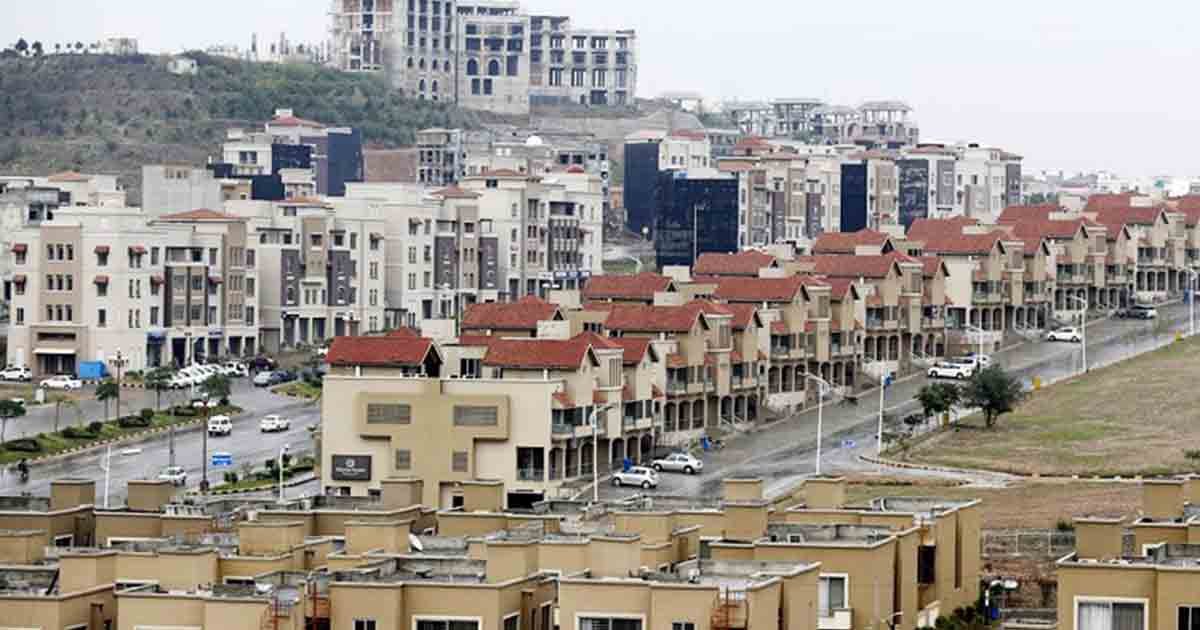
Pakistan understands environmental catastrophe from recent and painful experience. The floods of 2022 were not a warning. They were a reckoning. Vast territories were inundated, millions were displaced, and losses ran into billions of dollars. The images were impossible to ignore and the suffering was impossible to exaggerate. Yet the country’s policy response to environmental vulnerability has remained stubbornly inadequate. Climate adaptation moves slowly. Urban expansion proceeds with minimal regard for ecological sustainability. Forests remain under pressure from competing interests that enforcement mechanisms are too weak to restrain. Air pollution continues to burden public health across major cities. Shrinking green spaces leave urban populations exposed to extreme heat with diminishing natural relief. Ecological degradation continues at a pace that periodic declarations and awareness campaigns have entirely failed to arrest.
Pakistan’s political leadership is not wrong to raise the equity argument on the international stage. The country contributes less than one percent of global greenhouse gas emissions yet absorbs a disproportionate share of climate consequences. That argument has moral force and deserves to be heard. But moral force on the international stage is undermined when it is not matched by seriousness at home. Fragmented planning across federal and provincial tiers, chronic underinvestment in adaptation infrastructure, and weak implementation of existing environmental regulations have collectively left Pakistan less prepared than its own vulnerability demands. The argument for international climate finance is strongest when it is supported by credible domestic commitment. At present, the gap between that argument and domestic reality remains wide.
World Environment Day has accumulated a familiar ritual: pledges, ceremonies, statements of concern, and symbolic gestures that dissipate within days of the occasion. This year, the day should carry a different weight. The federal budget is approaching. Budget decisions are not symbolic gestures. They are statements of actual priority expressed in allocated resources, and they are the most honest test of whether climate resilience has moved from the margins of policymaking to its centre.
The budget presents the government with a direct opportunity to demonstrate seriousness. Adequate resources must be directed toward adaptation measures that address Pakistan’s specific vulnerabilities: disaster preparedness systems that function before catastrophe rather than only during it, water conservation programmes that acknowledge the long-term trajectory of the Indus basin, ecosystem restoration across degraded forests and wetlands, and investment in cities that are designed for heat rather than built in denial of it. Karachi, Lahore, Multan, and Jacobabad are not abstract policy challenges. They are cities where millions of people will face increasingly extreme conditions over the next decade, and they require infrastructure decisions made now.
The deeper reform, however, goes beyond budget allocations. Climate considerations must be embedded across the full architecture of development planning rather than confined to designated environmental programmes that operate at the periphery of government. Road construction, housing schemes, agricultural policy, industrial licensing, urban zoning, and water governance all carry climate consequences. Treating them as separate from environmental policy produces the fragmentation that has defined Pakistan’s response for too long.
The country has received ample and repeated warning of what the coming years will bring. The meteorological record, the scientific literature, the 2022 floods, the May heatwaves, and the glacier studies all point in the same direction. The information is not lacking. The political will to translate it into sustained and adequately resourced action has been. That is the deficit that matters most.
World Environment Day should not be marked this year with another round of pledges that dissolve before the next news cycle. It should be marked with a budget that reflects the scale of what Pakistan faces and a governance commitment that takes climate risk as seriously as fiscal risk or security risk. The climate bill has been accumulating for decades. Pakistan did not write most of it. But it will pay a large share of it regardless, and the only honest question now is whether the country chooses to prepare or continues to be surprised.