Editorial
The recent urban flooding across major cities of Pakistan has once again laid bare the deep-rooted flaws in our urban planning system. Roads submerged, drainage systems collapsed, and chaos prevailed—yet again. These disasters are no longer natural occurrences alone; they are symptoms of systematic dysfunction.
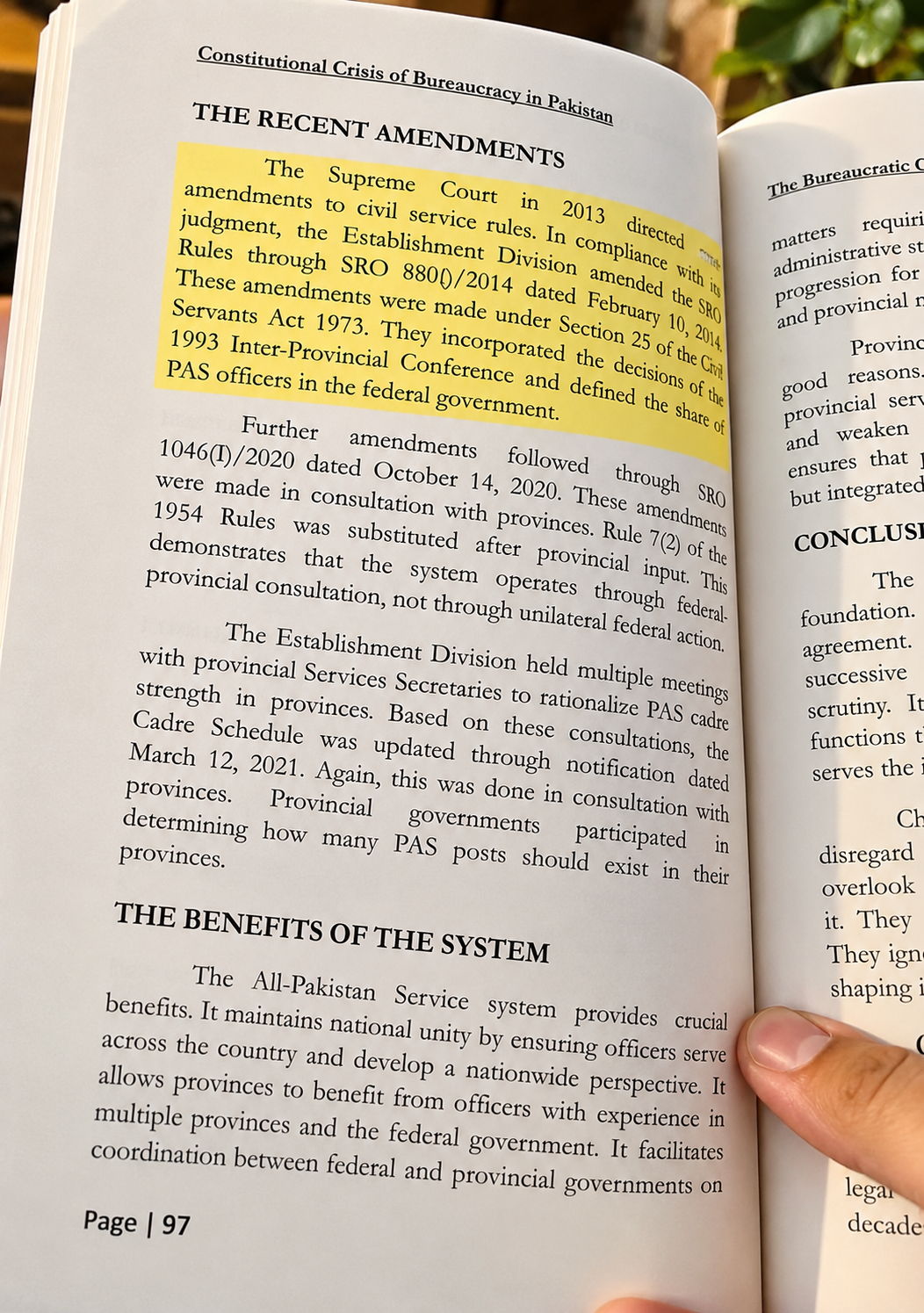
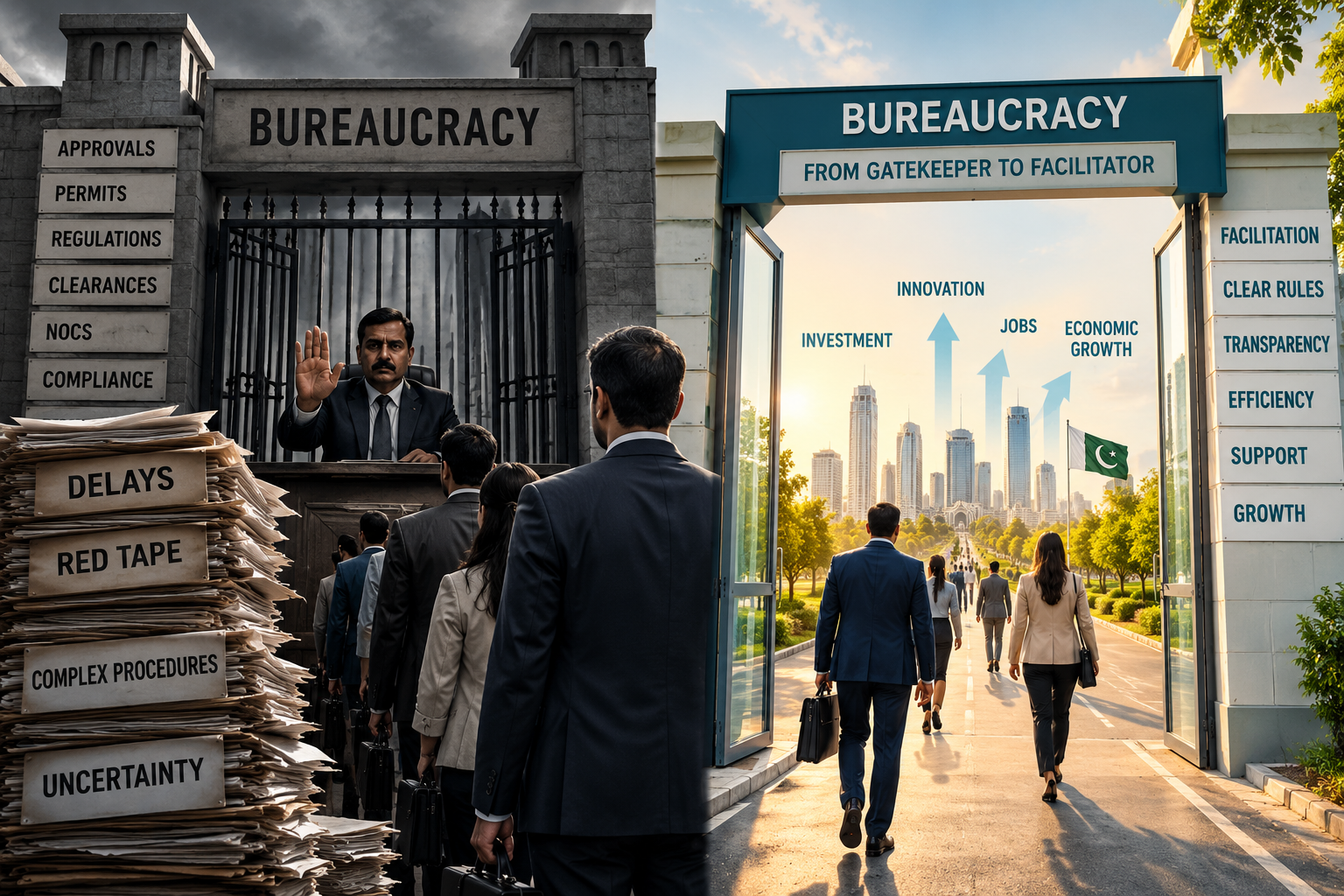
At the heart of this crisis lies a disturbing reality: urban development in Pakistan is not led by qualified urban planners but by generalist bureaucrats with little to no expertise in sustainable city planning. These officers, often transferred from one department to another, are tasked with managing complex urban environments without the necessary professional training. The result is a patchwork of poorly planned infrastructure, vulnerable to every spell of rain.
Making matters worse is the unchecked influence of land mafias, who continue to manipulate zoning laws, encroach upon green spaces, and build on natural waterways with impunity. Their nexus with parts of the bureaucracy further weakens the already fragile planning apparatus, turning cities into unregulated concrete jungles rather than livable, resilient urban spaces.
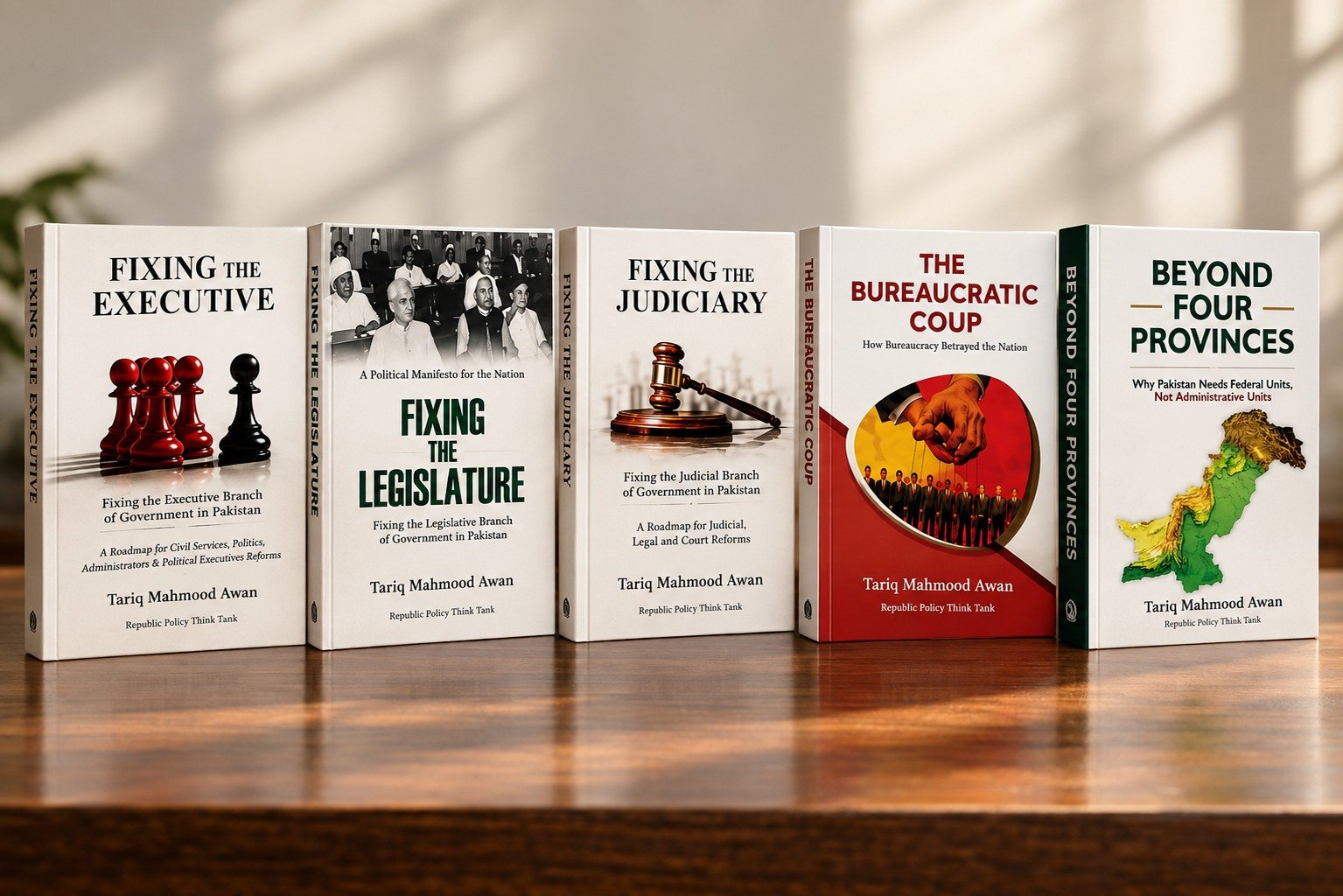
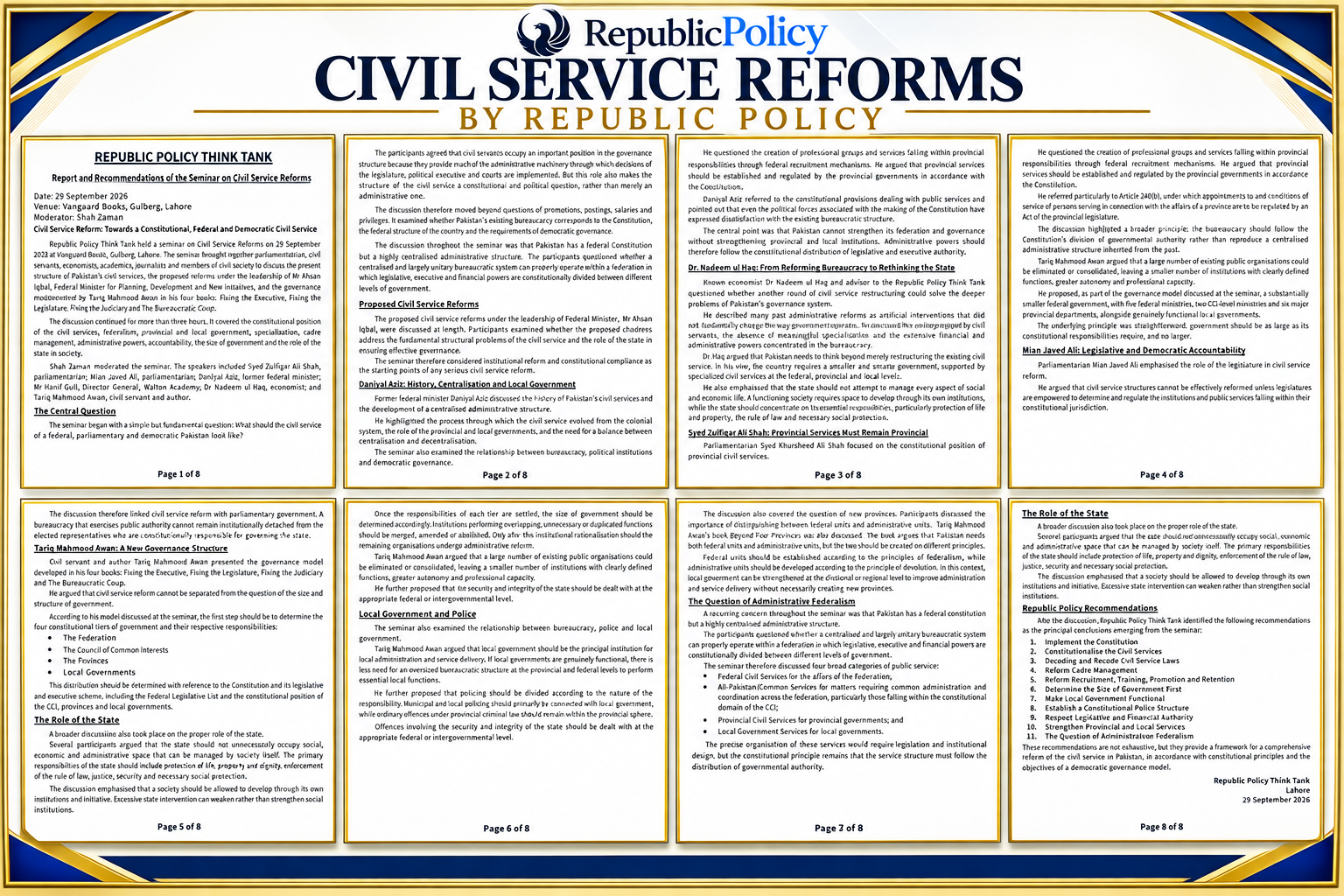
This ongoing failure demands urgent structural reform. Pakistan must invest in professional urban planning institutions that are independent, technically sound, and insulated from political interference. Cities should be managed by technocrats—urban designers, environmental engineers, and climate experts—not by career bureaucrats with outdated tools and rigid mindsets.
Please, subscribe to the YouTube channel of republicpolicy.com for quality content.
Furthermore, the federal and provincial governments must establish regulatory bodies empowered to implement urban resilience plans, enforce building codes, and hold violators accountable. Without such a shift, the cycle of destruction will continue with every monsoon.
Pakistan’s urban future cannot be left to chance or political expediency. If we are serious about building climate-resilient cities, we must begin by putting professionals at the helm of urban policy. The floods are not just a wake-up call—they are a verdict against our current planning failures. It is time to act before the next storm arrives.