
Rabia Akhtar
Why Understanding Pakistan’s Strategy Matters
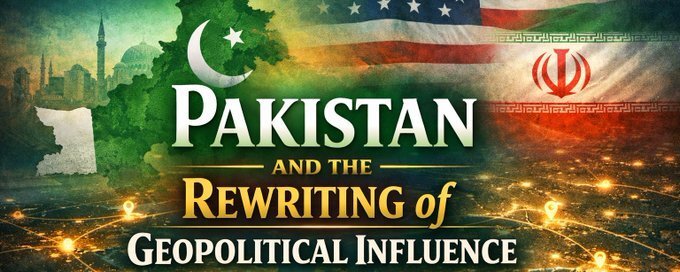
Pakistan’s hosting of the U.S.-Iran talks represents more than a diplomatic event; it reflects a broader transformation in the country’s strategic identity. In an era defined by great power competition, regional hedging, and shifting alliances, Pakistan is emerging as a middle power capable of convening adversaries and facilitating dialogue where trust is scarce.
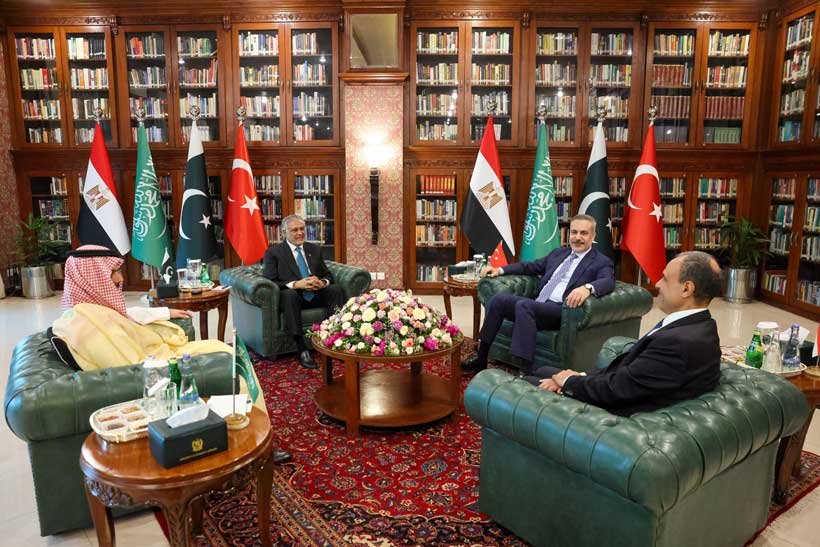
Historically positioned at the crossroads of South Asia, the Middle East, and Central Asia, Pakistan’s geography has endowed it with both vulnerability and opportunity. Over decades, it has cultivated the rare ability to maintain working relationships with diverse and often competing actors, including the United States, China, Iran, Saudi Arabia, Turkey, and Gulf states. This diplomatic versatility enables Pakistan to serve as a credible intermediary, particularly in moments of crisis.
Hosting the U.S.-Iran talks illustrates several key dimensions of Pakistan’s strategic approach:
- Strategic Autonomy and Hedging Rather than aligning exclusively with any single power bloc, Pakistan pursues a balanced foreign policy that allows it to engage multiple stakeholders simultaneously. This strategic autonomy enhances its credibility as a neutral convenor.
- Middle Power Diplomacy: Pakistan is transitioning from being viewed primarily as a security-centric state to acting as a facilitator of regional stability. By providing a platform for dialogue, it demonstrates the capacity of middle powers to shape outcomes in a multipolar world.
- Geography as Strategic Leverage Situated at the intersection of key geopolitical regions and connectivity corridors, Pakistan’s location enables it to bridge divides, political, economic, and ideological, making it an indispensable diplomatic interlocutor.
- Experience in Crisis Management Pakistan’s historical involvement in backchannel diplomacy, most notably in facilitating the 1971 U.S.-China rapprochement, underscores its institutional memory and capability to manage sensitive negotiations. Hosting the U.S.-Iran talks builds upon this legacy.
- A Geopolitical Win with Global Implications By bringing Washington and Tehran to the negotiating table, Pakistan reinforces its image as a responsible stakeholder in regional peace. This role not only elevates its international standing but also contributes to broader efforts aimed at de-escalation and stability in the Middle East.
Holding the Line: A Note to the Naysayers
Understanding Pakistan’s strategy is essential to appreciating the evolving dynamics of global politics. The country’s role in hosting the U.S.-Iran talks is not incidental; it is the outcome of deliberate strategic positioning, diplomatic credibility, and geographic centrality. As the international system moves toward multipolarity, Pakistan’s ability to convene, communicate, and mediate will remain a significant asset in shaping regional and global peace.
The Writer is the Dean at the University of Lahore, Pakistan