Dr Bilawal Kamran
A resolution that is never implemented is not a resolution. It is a statement of intent by an institution that lacks the will to act on its own decisions. This is the fundamental crisis confronting the United Nations Security Council, and it is a crisis that no procedural reform, however well-intentioned, can resolve on its own.
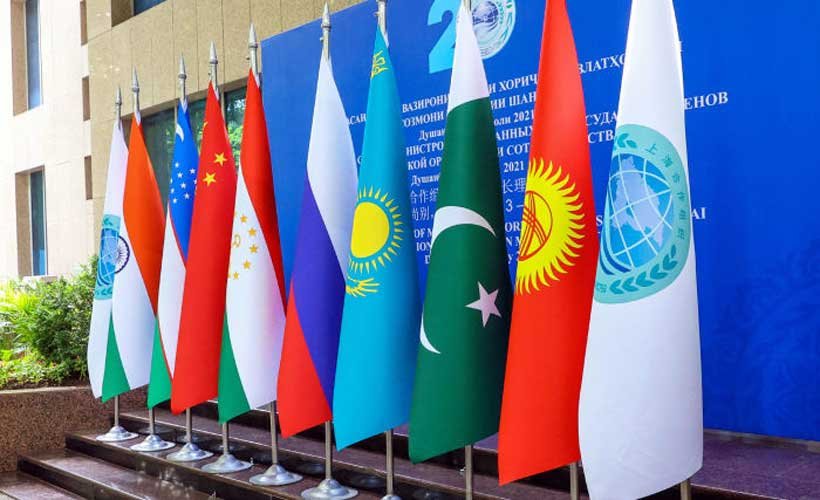
Pakistan and China recently convened an informal Security Council session to address precisely this problem, focusing on how the Council can ensure full, effective and non-selective implementation of its own resolutions. Pakistan’s permanent representative reminded member states that UNSC resolutions carry legal binding force under the UN Charter. Experts present at the session argued that implementation lies at the heart of the Council’s credibility, authority and effectiveness. Practical proposals were placed on the table, including annual progress reviews, clearer implementation pathways, sustained reporting mechanisms and stronger follow-up procedures. Pakistan’s ambassador stated plainly that selective or prolonged non-implementation weakens the Council’s authority, prolongs unresolved disputes and deepens human suffering.
Every word of that assessment is accurate. And yet the proposals, valuable as they are, do not reach the root of the problem. The Security Council does not fail to implement its resolutions because it lacks adequate review mechanisms or reporting frameworks. It fails because its five permanent members hold diverging interests on nearly every significant conflict, and the veto power allows any one of them to shield a favoured party from accountability indefinitely. The dysfunction is political in origin. Administrative remedies cannot cure a political disease.
The cases of occupied Kashmir and occupied Palestine illustrate this reality with painful clarity. Both situations have generated extensive bodies of Security Council resolutions over decades. Both sets of resolutions remain unimplemented. In both cases, the obstacle is not procedural. It is the calculated protection of occupying powers by permanent members with strategic interests in maintaining the status quo. Annual reviews and implementation pathways will not alter that calculation. What has blocked enforcement is not a lack of follow-up. It is a lack of political will among those who hold decisive power within the Council itself.
This does not diminish the significance of what Pakistan and China have attempted. At a moment when powerful states are increasingly inclined to bypass multilateral institutions altogether, acting unilaterally and dismissing international law as an inconvenience, the effort to defend and strengthen the rules-based order carries genuine meaning. The message that international law matters, that resolutions are binding commitments rather than optional guidance, is worth making even when immediate results are unlikely. Multilateralism does not survive on victories alone. It survives on continued engagement by states that believe in its principles even when those principles are being violated.
But honest engagement with this question requires acknowledging what procedural reform cannot achieve. The Security Council was designed as an institution of great-power consensus. Where that consensus exists, it can act with considerable force. Where it does not exist, as is the case in Kashmir and Palestine, the institution is structurally incapable of enforcing its own decisions regardless of how clearly those decisions are worded or how regularly their implementation is reviewed. This is not a flaw that crept in through administrative neglect. It is a feature of the Council’s foundational architecture, deliberately constructed to ensure that no resolution could be enforced against the vital interests of a permanent member or its close allies.
Recognising this does not mean abandoning the effort. It means understanding what kind of effort is actually required. Procedural improvements at the Council level are worth pursuing. They can increase transparency, generate political pressure and create a clearer record of which parties are obstructing implementation and why. That record matters for public accountability and for the long-term delegitimization of those who hide behind the veto to perpetuate injustice. But the actual closing of the gap between resolutions and realities requires something harder and more patient than better follow-up mechanisms.
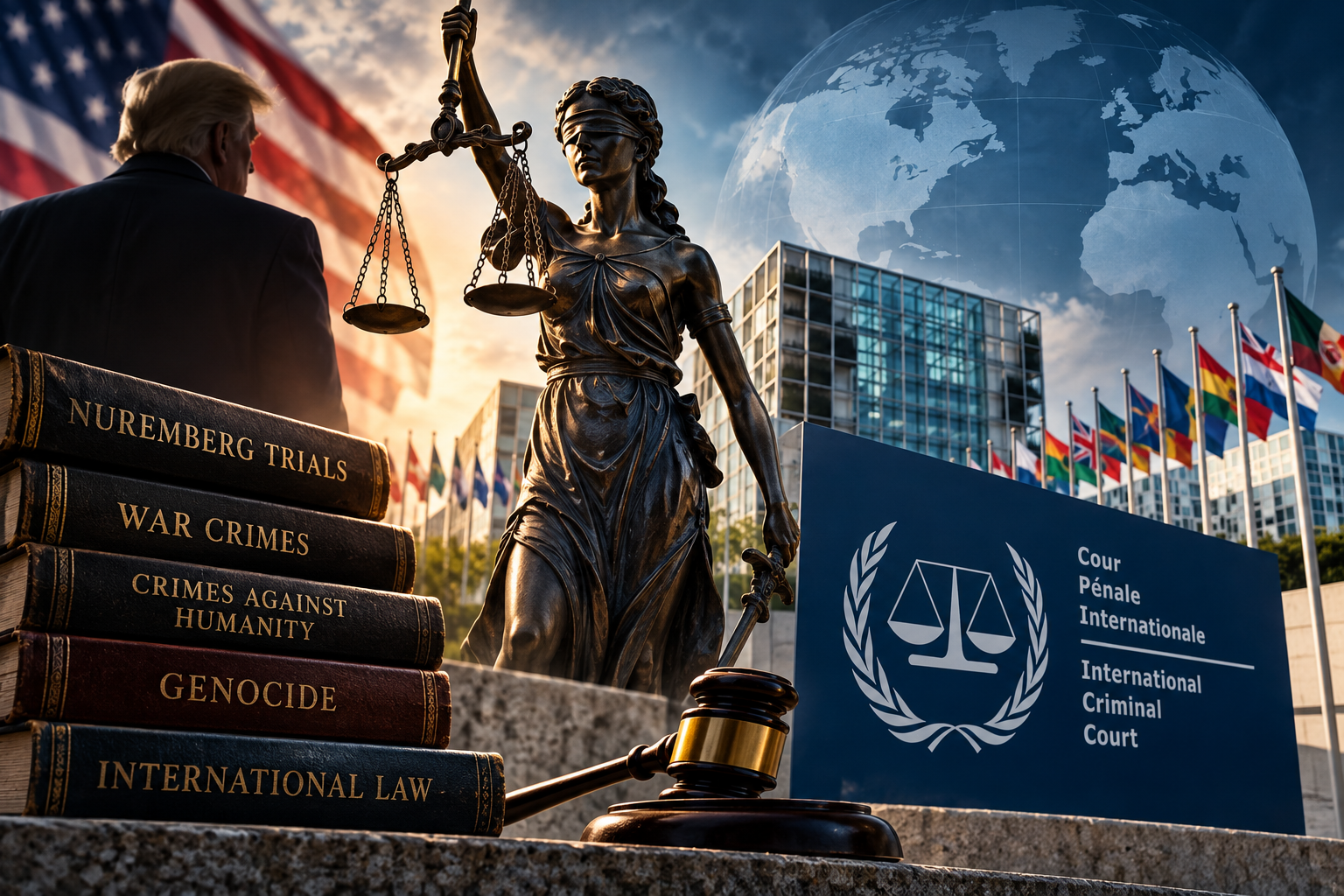
It requires sustained diplomatic pressure on the permanent members who hold unimplemented resolutions hostage. It requires building coalitions broad enough to make obstruction politically costly rather than consequence-free. It requires engaging international public opinion with the documented evidence of what non-implementation has meant for the people of Kashmir and Palestine in concrete human terms. It requires a willingness to pursue accountability through every available forum, including the International Court of Justice, the General Assembly and regional bodies, rather than waiting for the Security Council to find a consensus it has shown no interest in reaching.
The rules-based international order is worth defending. Pakistan and China are right to defend it. But defending it honestly means confronting the fact that the rules have been selectively applied by the most powerful actors in the system to protect their own interests and those of their allies. Closing that gap will not come from better annual reviews. It will come from making the political cost of continued obstruction higher than the political cost of compliance. That is the harder diplomacy. It is also the only one that can produce results.
The best-selling books of Republic Policy Think Tank, including the landmark book The Bureaucratic Coup, are available at Vanguard Books, Liberty Books, Readings, Kitab Sarai, Sang-e-Meel, Saeed Book Bank Islamabad, National Book Foundation, and others across Pakistan. Contact for home delivery: 0300 9552542.