
Mubashar Nadeem
Pakistan’s energy and inflation outlook continues to reflect its deep sensitivity to global oil market movements, once again highlighting the structural fragility of its external economic framework. Recent fluctuations in international crude prices, driven by shifting geopolitical conditions and partial easing of supply-side disruptions, have provided temporary relief to import-dependent economies like Pakistan. However, this respite remains inherently uncertain and closely tied to external developments beyond domestic control.
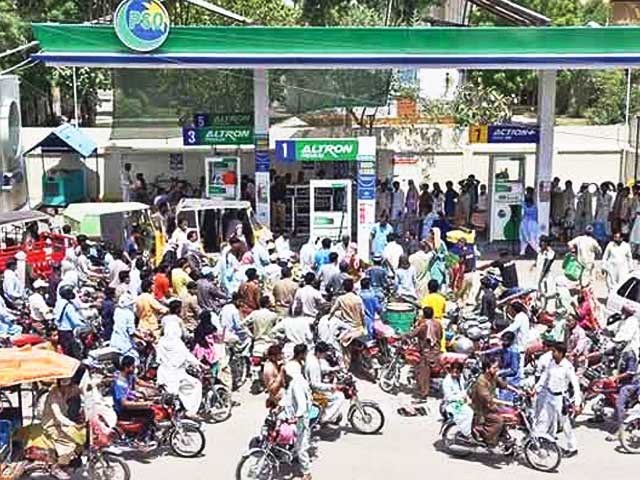
In the latest revision of petroleum prices, the government has announced a sharp adjustment in domestic fuel rates. Petrol and high-speed diesel prices have both increased by Rs 26.77 per litre, pushing transport and logistics costs higher across the country. The upward revision has immediately impacted household budgets, freight charges, and overall inflation expectations, particularly in an economy already under sustained price pressures.
For consumers, the increase has come at a sensitive time when inflationary pressures remain elevated and purchasing power continues to erode. Transporters, small businesses, and lower-income households are expected to bear the brunt of rising fuel costs, which typically feed into broader price hikes in essential commodities. Even minor adjustments in fuel prices tend to ripple quickly through supply chains in Pakistan’s largely transport-driven distribution system.
Despite these domestic price hikes, the broader international context remains volatile. Global oil markets are still reacting to uncertain geopolitical developments, fluctuating demand forecasts, and shifting production decisions by major oil-producing economies. Any renewed disruption in supply routes or escalation in regional tensions could quickly reverse recent stabilisation trends, placing additional pressure on import bills and foreign exchange reserves.
Pakistan’s heavy reliance on imported energy continues to be a core structural challenge. Energy imports account for a significant share of the country’s total import expenditure, making the economy highly exposed to external price shocks. While temporary declines in global oil prices can ease fiscal pressure and improve short-term macroeconomic indicators, they do not address underlying inefficiencies such as weak domestic energy production, transmission losses, and an overdependence on fossil fuel imports.
The government’s periodic adjustments in fuel prices reflect an effort to align domestic rates with international benchmarks and reduce subsidy burdens. However, such measures remain largely reactive, offering short-term fiscal relief without fundamentally altering the country’s energy structure. As a result, economic stability continues to fluctuate in line with global commodity cycles rather than internal resilience.
From a policy perspective, the recurring nature of these adjustments underscores the urgency of structural reform. Diversification into renewable energy sources, investment in energy efficiency, and reduction of system losses are increasingly seen as essential steps toward long-term stability. Without such reforms, Pakistan will remain exposed to repeated cycles of price shocks, inflationary pressures, and fiscal stress.
In addition, the economy’s limited export base further compounds its vulnerability. With insufficient foreign exchange earnings to offset rising import costs, external shocks quickly translate into currency depreciation and inflation. This creates a feedback loop in which fuel price increases, inflation, and fiscal deficits reinforce one another.
Ultimately, while recent global oil price movements and domestic fuel adjustments provide temporary economic breathing space, they do not represent structural stability. Pakistan’s challenge lies in moving beyond reactive price management toward a more resilient and diversified energy and economic framework. Without this transition, each cycle of global volatility will continue to expose the same underlying weaknesses, keeping the economy in a persistent state of adjustment rather than sustainable growth.