Editorial
Pakistan has been trying to govern itself with a broken administrative architecture for over seven decades. The failures are not accidental. They are structural. And until three fundamental reforms are made, no government — however well-intentioned — will be able to deliver the state that this country’s people deserve.
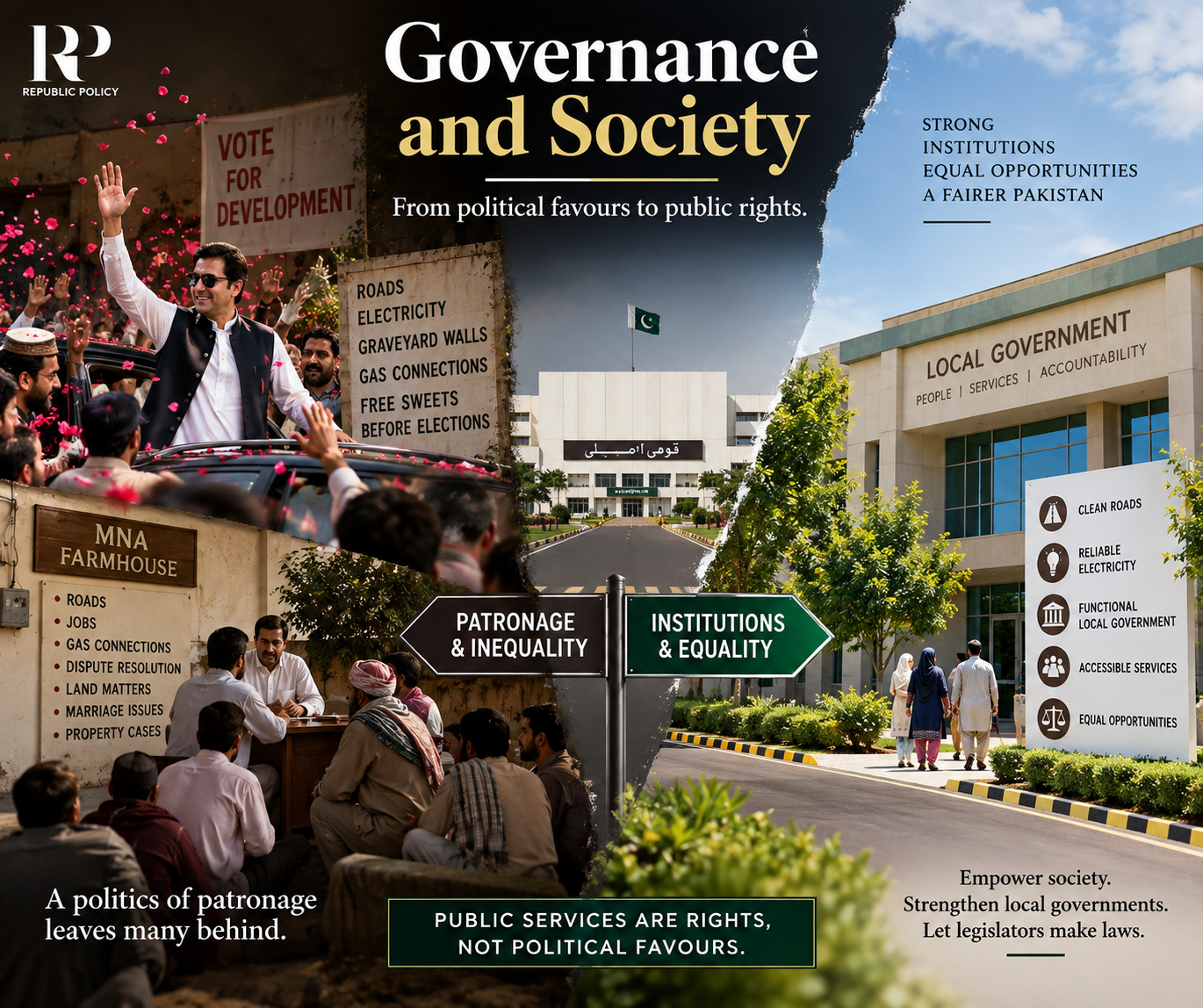
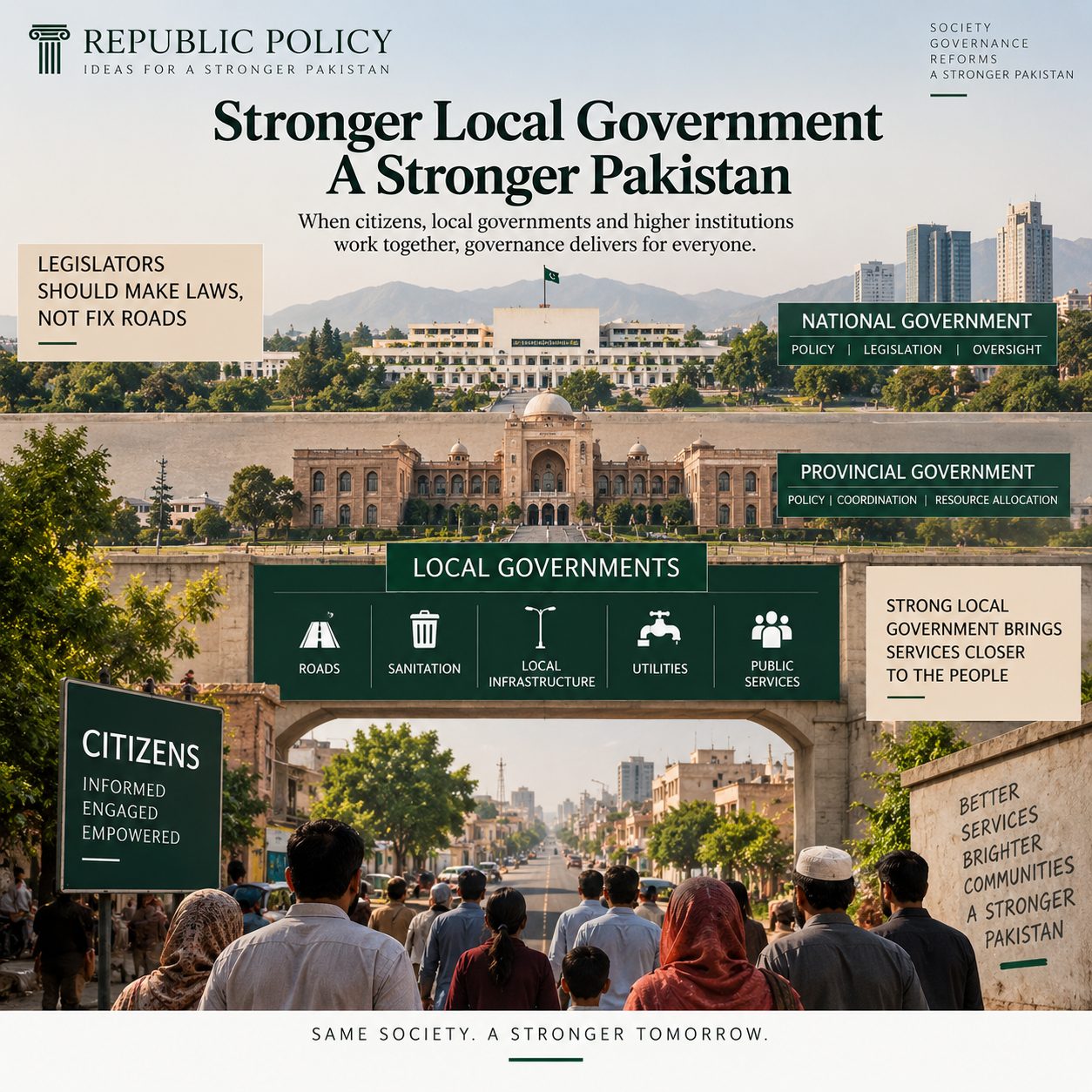
The first is a genuine local government system. Not the cosmetic versions that successive regimes have conjured and quietly dismantled, but a constitutionally rooted, financially empowered tier of governance with its own dedicated Local Government Service. Cities, towns, and villages cannot be administered from provincial capitals by officers who have never walked their streets. Governance must go where the people are. A separate cadre of local government professionals, trained specifically for municipal and rural administration, is not a luxury. It is a necessity.
The second reform is the creation of new provinces through national consensus. Pakistan’s current provincial map is an inheritance of colonial cartography, not a reflection of administrative logic or ethnic reality. Provinces too large to govern effectively have become feudal dominions. Smaller, more manageable units — created through dialogue, not imposition — would bring government closer to the governed and dilute the dangerous concentration of power that feeds resentment and instability.
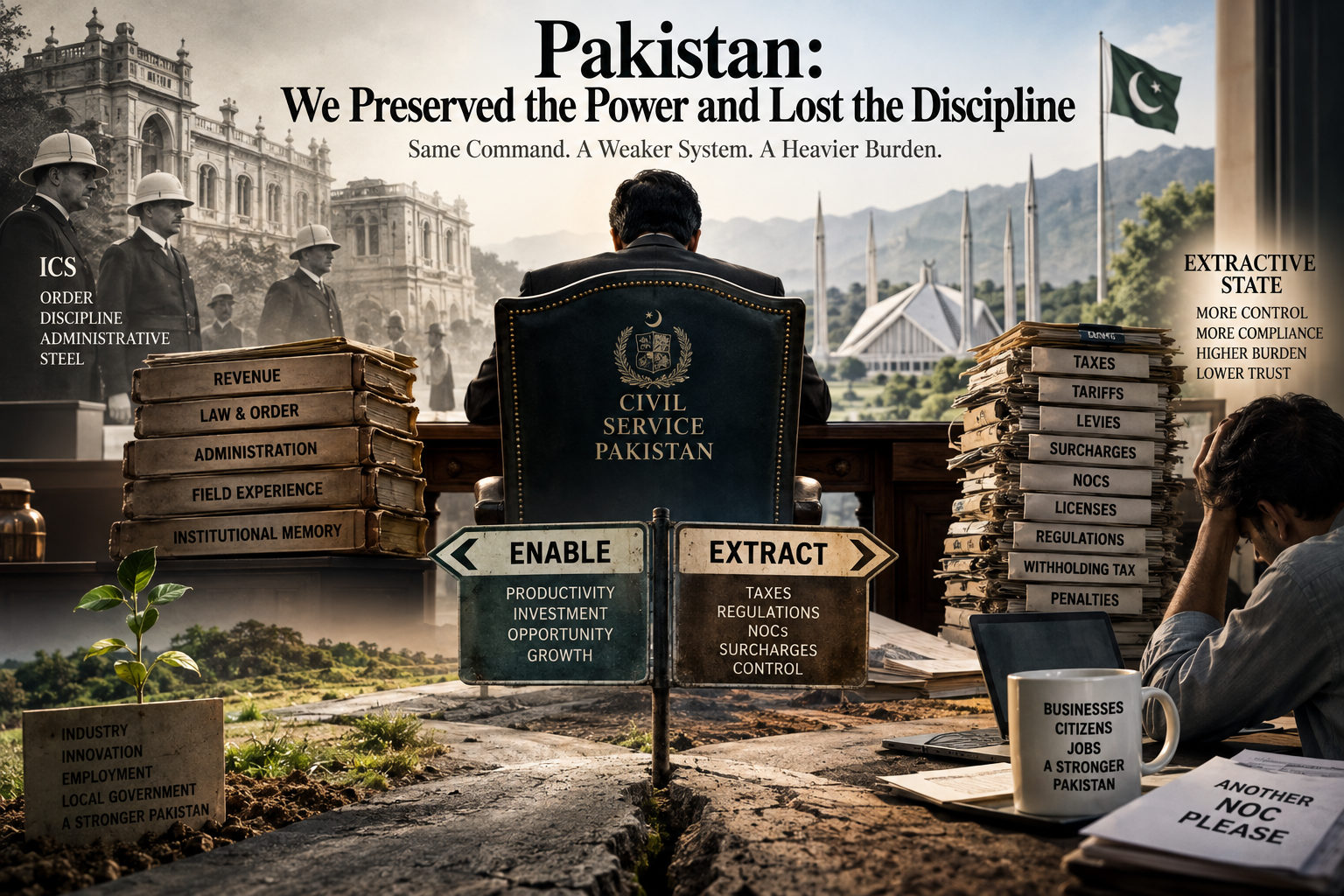
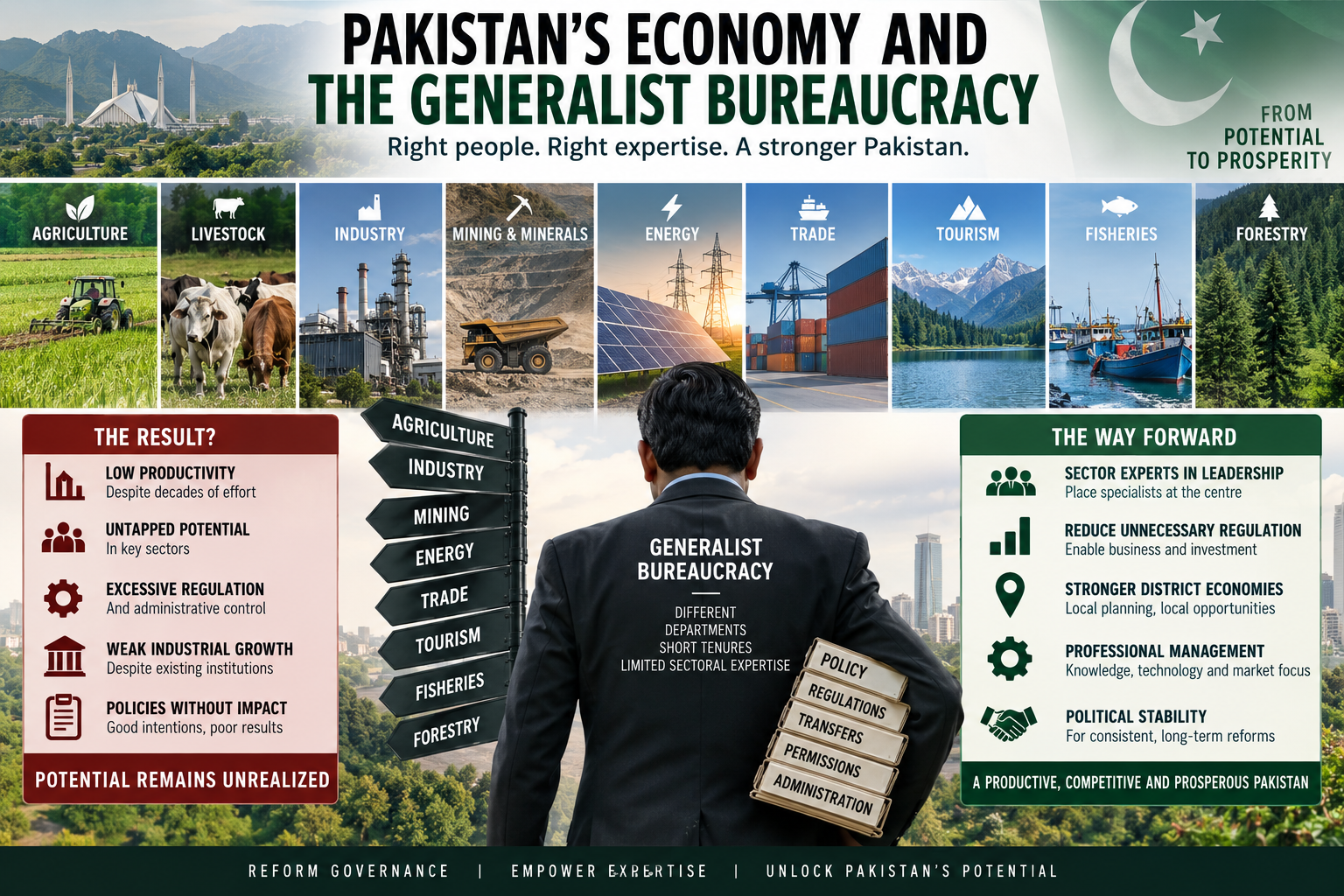
The third, and perhaps the most overdue, is replacing the generalist bureaucracy with a specialized one. The idea that a single administrative cadre can competently oversee health, education, agriculture, finance, and foreign policy is a colonial fiction that Pakistan has never had the courage to abandon. Each level of government must have its own dedicated administrative service, staffed by specialists who understand their domain deeply rather than generalists who manage it superficially.
These are not radical demands. They are the minimum conditions for a functional state. Pakistan must meet them — or keep failing.