
Editorial
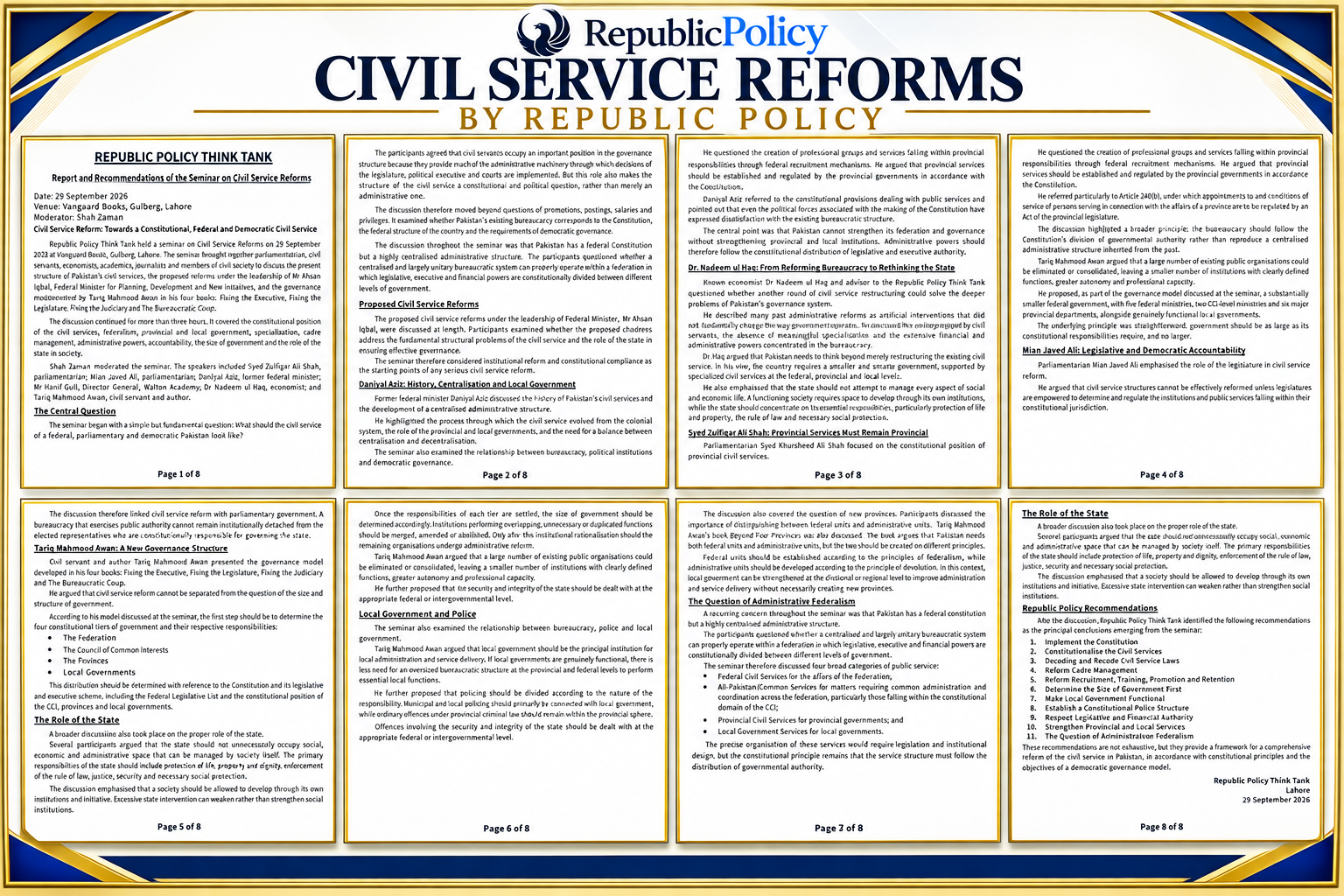
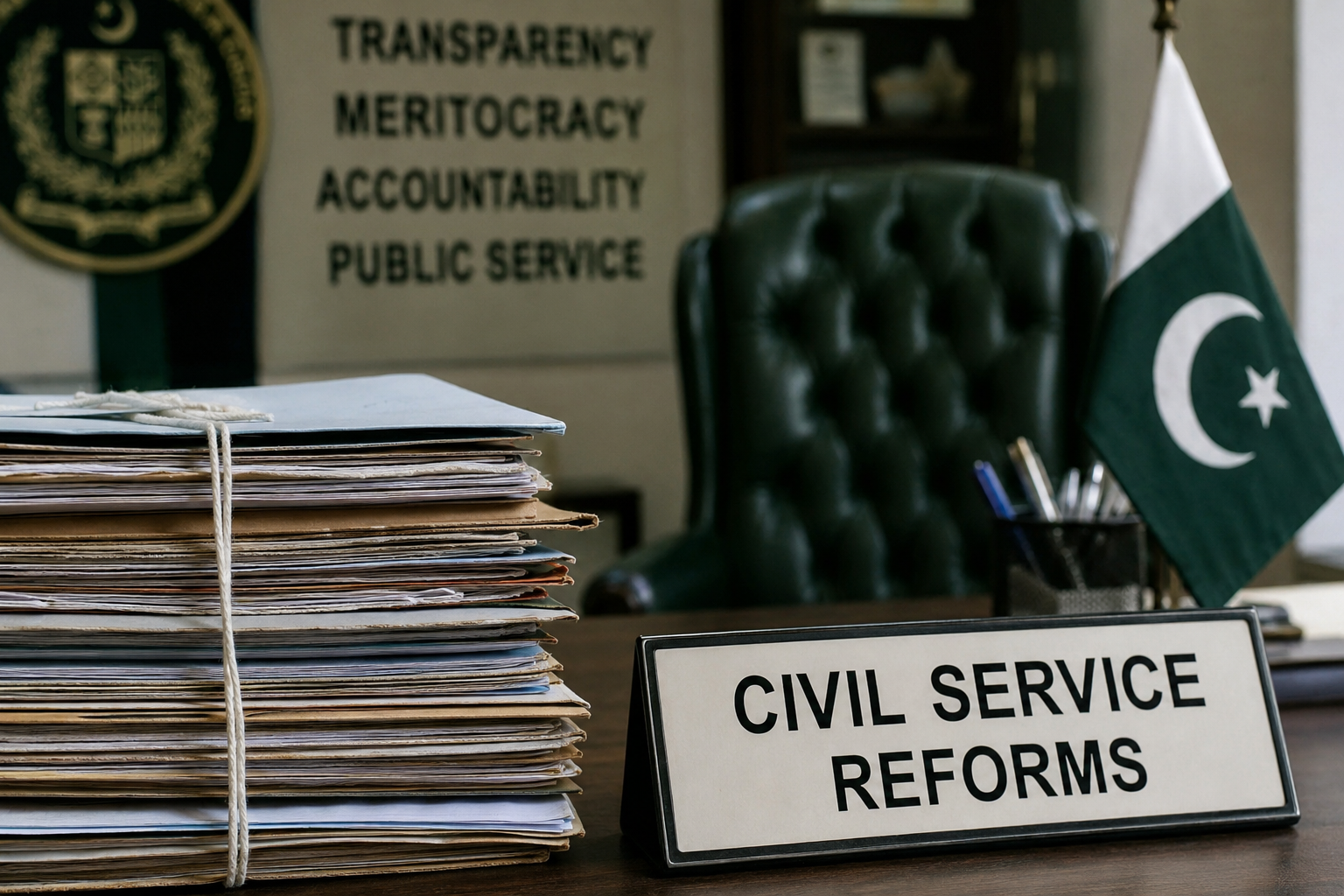
For decades, Pakistan has debated the need for civil service reforms. Numerous committees have been formed, reports have been written, and ambitious promises have been made. Yet the fundamental structure of the bureaucracy remains largely unchanged. Consequently, the state continues to struggle with weak governance, low institutional productivity, and declining public confidence. The real question is no longer whether Pakistan needs civil service reform; it is how those reforms should be designed.
At Republic Policy, our research on civil service reform has identified five foundational principles for building a modern, efficient, and accountable bureaucracy. Among them, the fifth principle is perhaps the most transformative: the complete monetisationmonetisation of perks and privileges.
Pakistan’s civil service has historically been built around an elaborate system of official residences, vehicles, domestic staff, subsidisedsubsidised utilities, discretionary allowances, and other non-salary benefits. These privileges have become symbols of status and authority rather than instruments for improving public service. They have also created an entitlement culture in which positions are valued not for the opportunity to serve the public, but for the personal benefits they provide.
A modern civil service cannot be built on privilege. It must be built on professionalism.
The solution is straightforward. All non-essential perks should be abolished and converted into transparent cash compensation. Civil servants should receive competitive salaries based on market comparators and the complexity of their responsibilities. Their total compensation should be visible, taxable, and performance-orientatedperformance-orientated rather than hidden behind a web of special entitlements.
Such a system would produce several benefits. It would improve transparency in public finances, reduce administrative waste, discourage the misuse of government resources, and eliminate many opportunities for discretionary favouritism. More importantly, it would shift the culture of the bureaucracy from entitlement to performance.
Good governance depends on capable institutions, not privileged officials. Citizens deserve a civil service that is motivated by professionalism, accountability, and public service rather than exclusive benefits unavailable to the ordinary taxpayer.
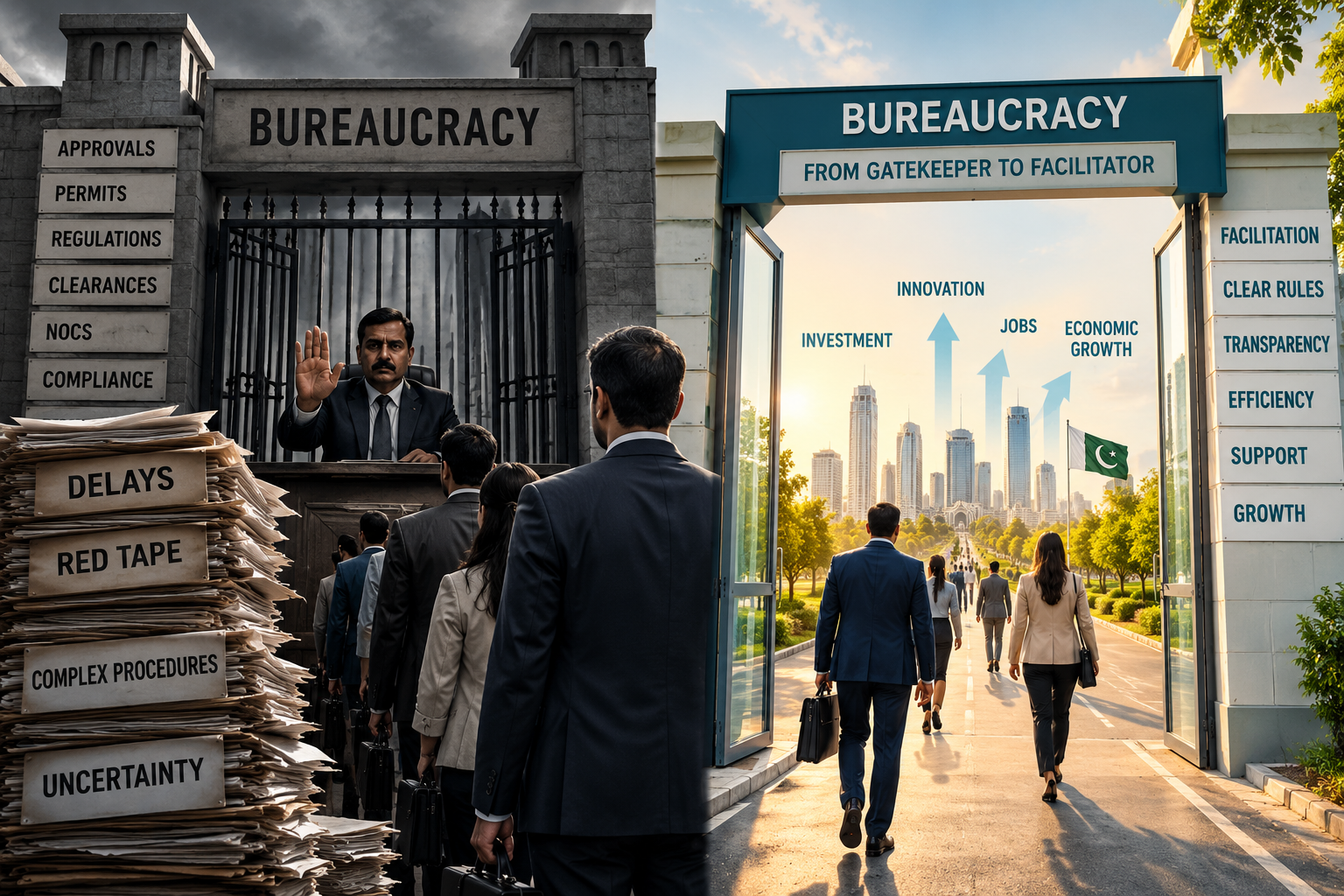
Pakistan’s future requires more than incremental administrative adjustments. It requires a fundamental change in the philosophy of public administration. The bureaucracy must become a professional institution that competes for talent, rewards performance, and serves the public with integrity.
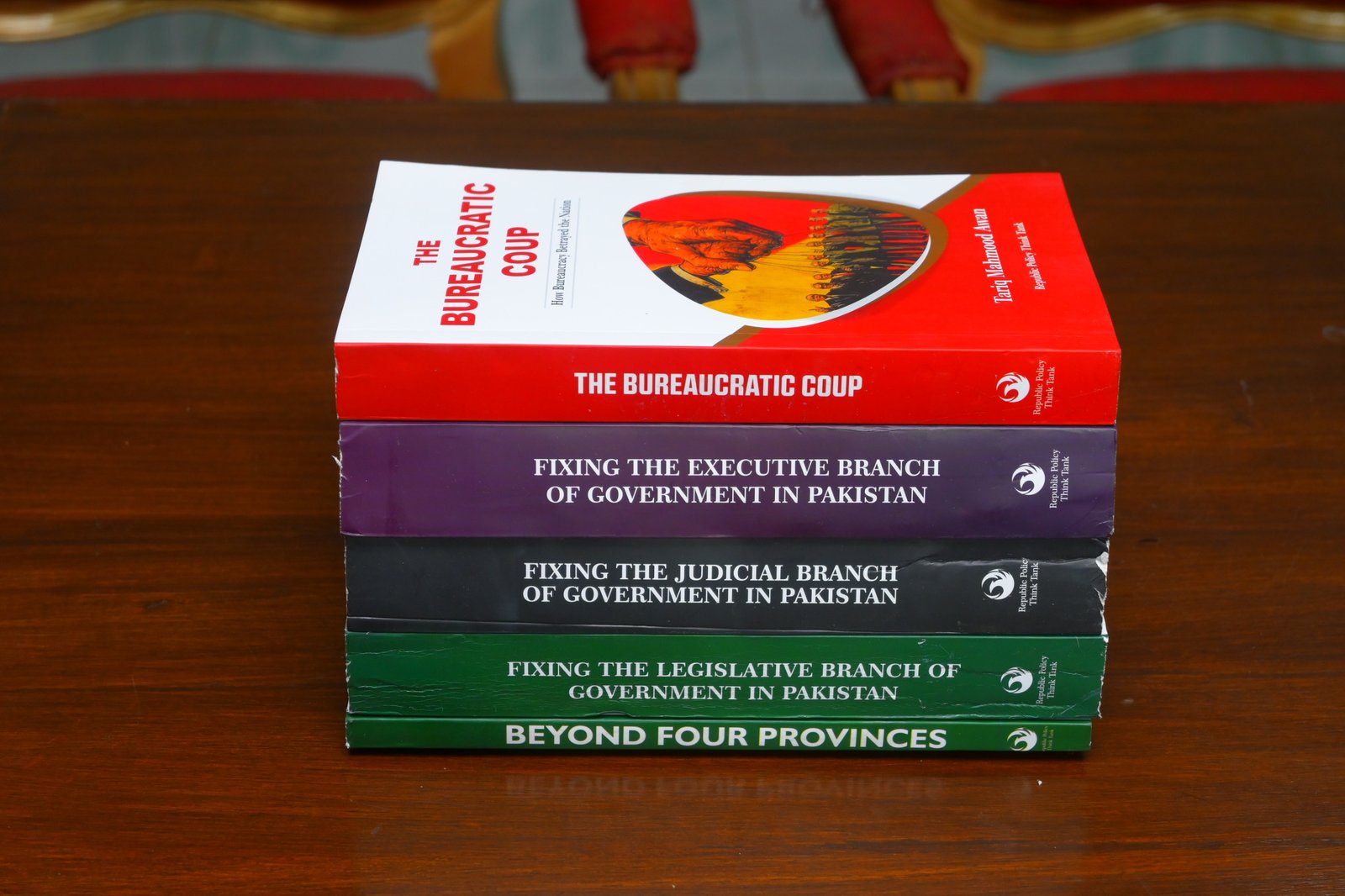
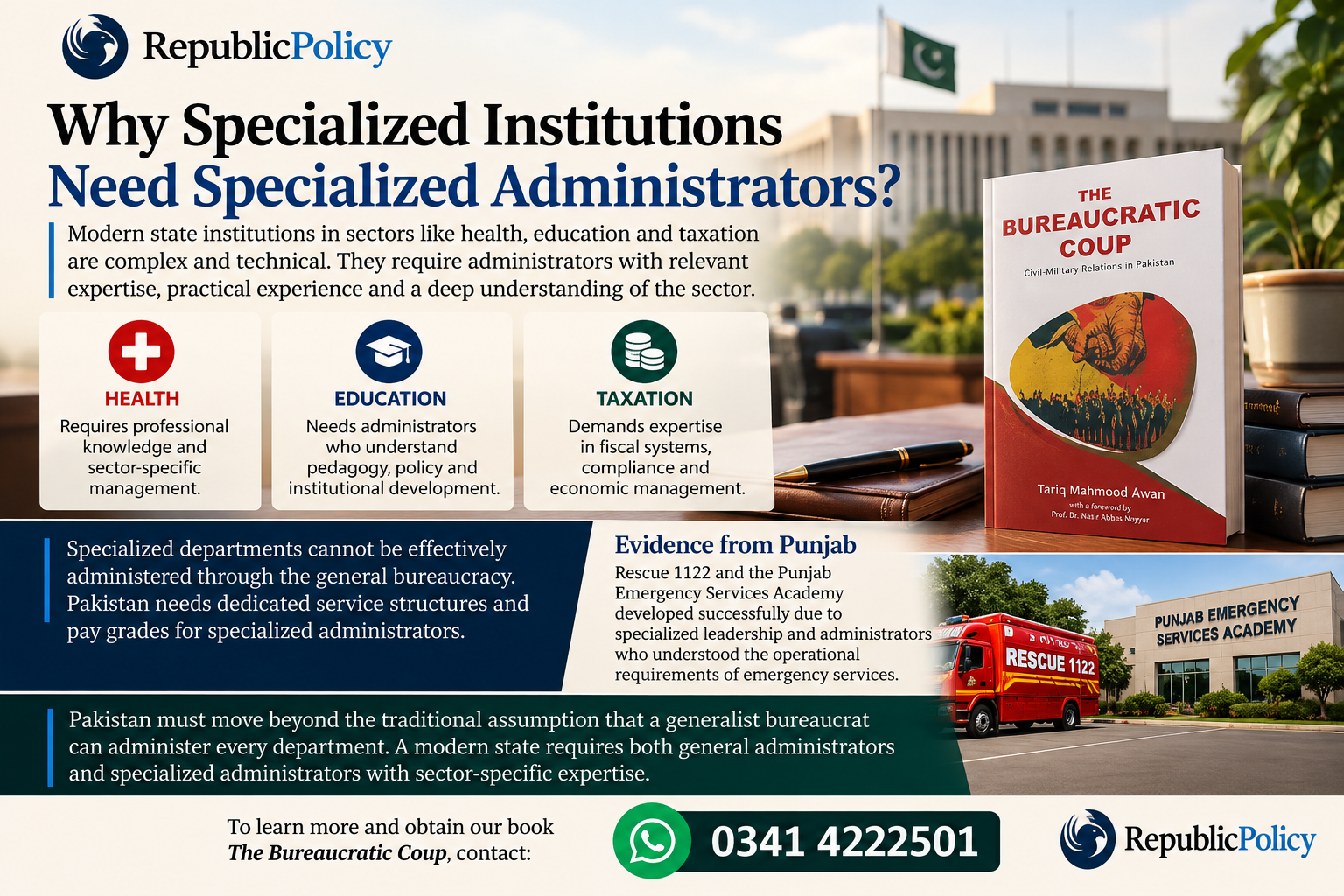
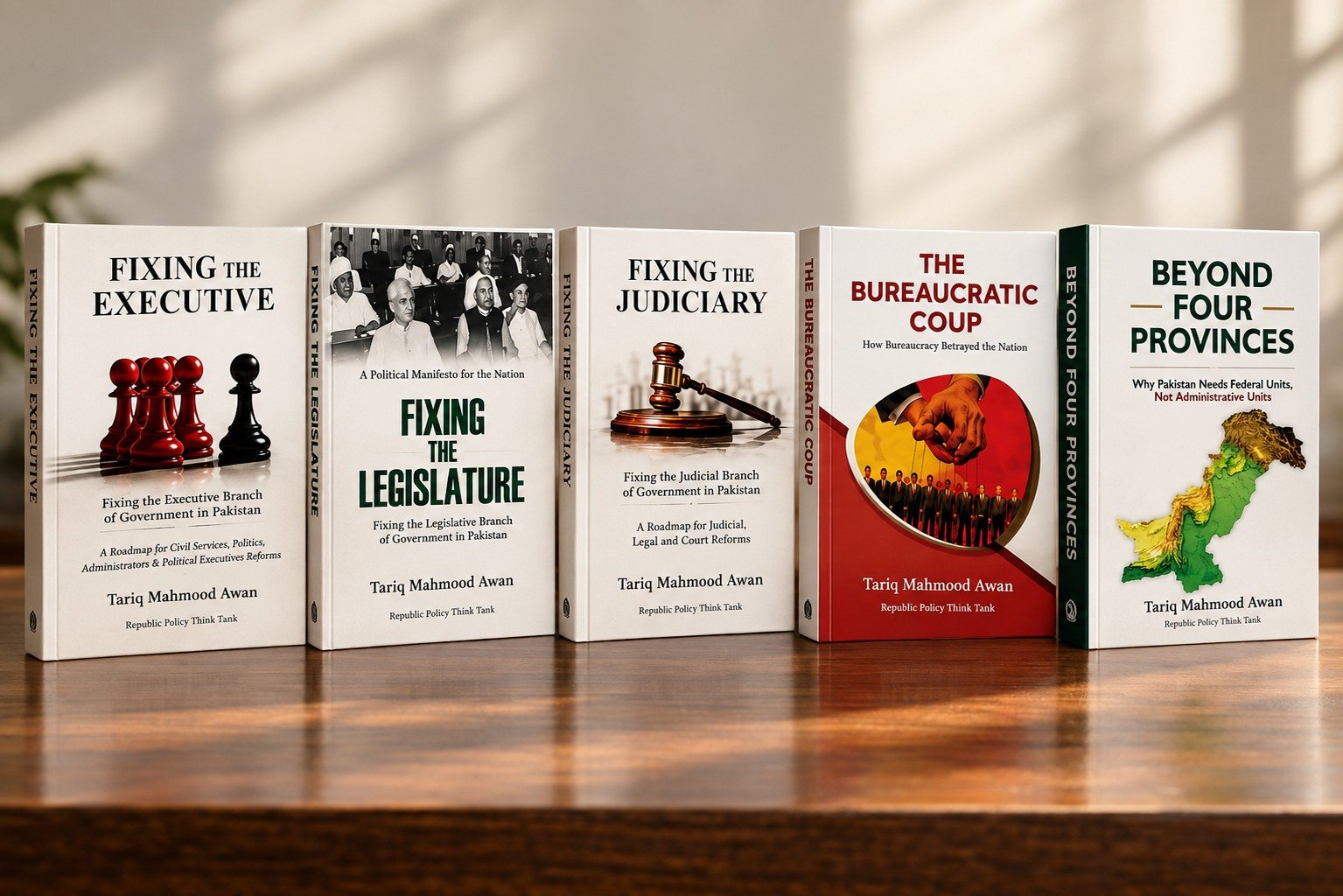
These ideas are discussed in detail in The Bureaucratic Coup, published by Republic Policy, which presents a comprehensive framework for reforming Pakistan’s civil service and strengthening democratic governance.
For Home Delivery: 0341-4222501