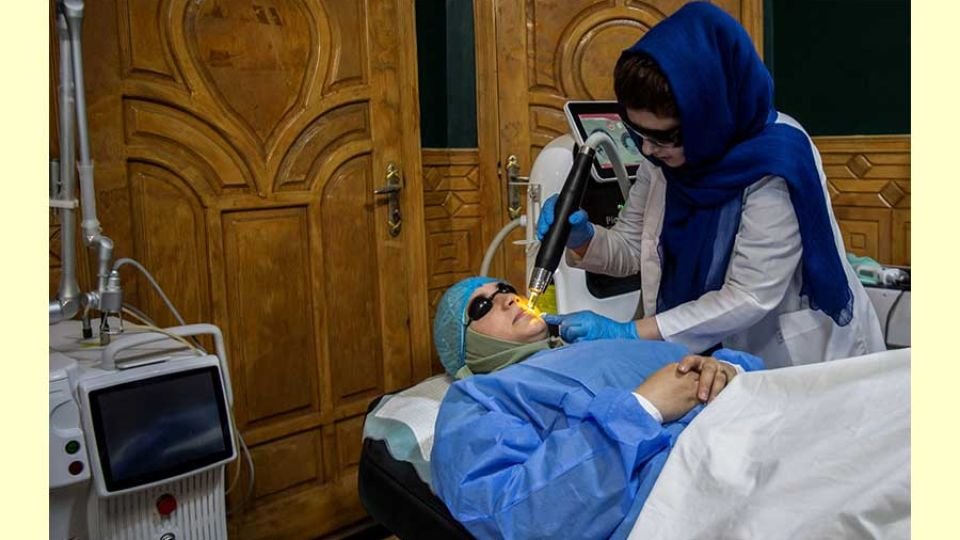

Pakistan’s booming, multi-billion-rupee cosmetic procedures industry, driven by an image-conscious urban elite and growing at an estimated 40 percent annually, presents a stark contrast to a country where preventable childhood malnutrition and waterborne diseases continue to claim tens of thousands of young lives each year.
If industry estimates of 200,000 regular aesthetic clinic clients and 10,000 cosmetic practitioners are accurate, the sector effectively has one practitioner for every 20 clients, a striking illustration of the country’s uneven healthcare priorities.
None of the federal or provincial health authorities, the Pakistan Medical and Dental Council (PMDC), the Drug Regulatory Authority of Pakistan (DRAP), the Securities and Exchange Commission of Pakistan (SECP), healthcare commissions, or professional bodies disputed the post-Covid surge in aesthetic clinics or the soaring demand for cosmetic procedures. Yet Pakistan still lacks unified standards for licensing practitioners, approving procedures, and monitoring products. As image-conscious clients spend heavily on beauty treatments, many clinics continue operating with limited oversight of practitioners’ qualifications, procedures, or the substances they use, raising growing concerns over patient safety.
HydraFacial, laser hair removal, platelet-rich plasma therapy, glutathione skin-brightening drips, and hair transplants rank among Pakistan’s most sought-after aesthetic treatments. Botox, dermal fillers, high-intensity focused ultrasound for skin tightening, chemical peels, and carbon facials are also gaining popularity, driven by quick results and minimal downtime.
Pakistan’s leading aesthetic clinic chains include 3D Lifestyle, SL Aesthetics, AlKhaleej Clinics, and Skin Bliss Aesthetic Clinics, with multiple branches across Karachi and other major cities. Procedure costs vary by city, surgeon, and complexity: hair transplants generally range from Rs60,000 to Rs400,000, rhinoplasty from Rs150,000 to Rs450,000, and liposuction from Rs60,000 to Rs1 million. According to a pharmaceutical industry leader, an eight-week course of Botox treatment is priced between Rs80,000 and Rs2 million.
Federal Health Minister Mustafa Kamal was approached for comment; his response was pending when this report was filed. Prof Rizwan Taj, President of the PMDC, said a specialist board for aesthetic medicine has been constituted to regulate the sector and address complaints. The proposal, delayed by legal scrutiny, has cleared the Law Division’s queries and now awaits formal notification by the ministry. On the suspension of the 2022 guidelines, he said the government had sought revisions, which have since been incorporated, with the revised draft now before the council for approval before being sent to the government for formal notification.
Dr Obaidullah, CEO of DRAP, was asked for data on registered and imported aesthetic drugs and chemicals. He shared a difficult-to-interpret chart showing only Botox imports, indicating that Pakistan imported 8,204 units across three consignments over the past year. He did not disclose their value or provide details on other registered aesthetic products.
Dr Sheikh Kaiser Waheed, former chairman of the Pakistan Pharmaceutical Manufacturers Association, confirmed a sharp rise in demand for cosmetic drugs and chemicals, met partly through local manufacturing and imports. He also pointed to an informal market for cheap, substandard products, though he said no reliable data exists to quantify its scale.
Zainab Hasan, Director of the Sindh Healthcare Commission, said the commission has launched a registration and licensing drive for aesthetic clinics alongside an anti-quackery campaign, stressing that low public awareness of the risks posed by unqualified providers remains a major concern.