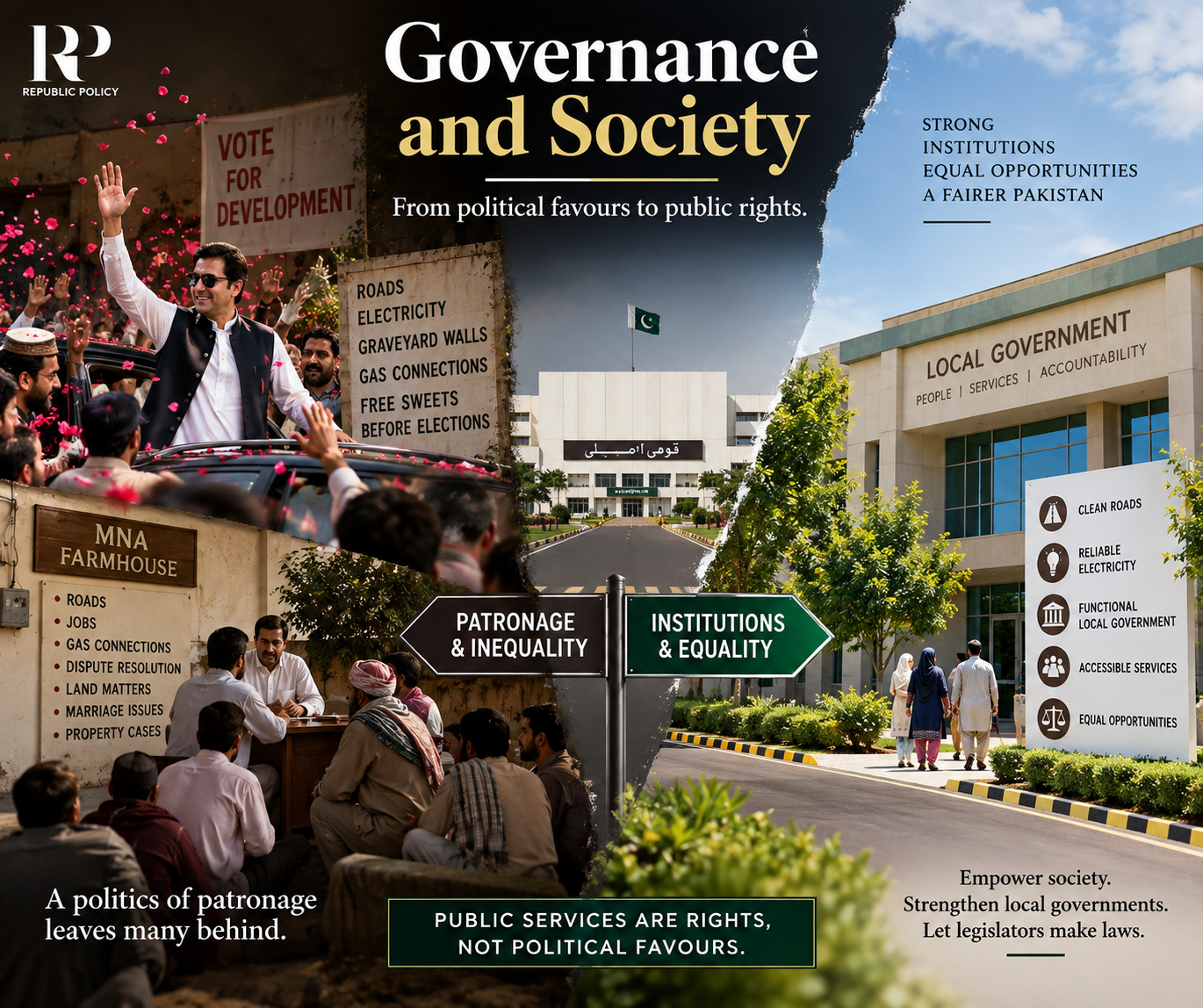

Republic Policy does not examine governance in isolation from society, nor does it treat governance merely as an academic discipline confined to rigid concepts and theories. In our view, governance must be understood within the social environment in which it operates and produces practical outcomes. Republic Policy therefore studies the relationship between society and governance, particularly how social behaviour, institutional values and administrative practices shape the performance of the state.
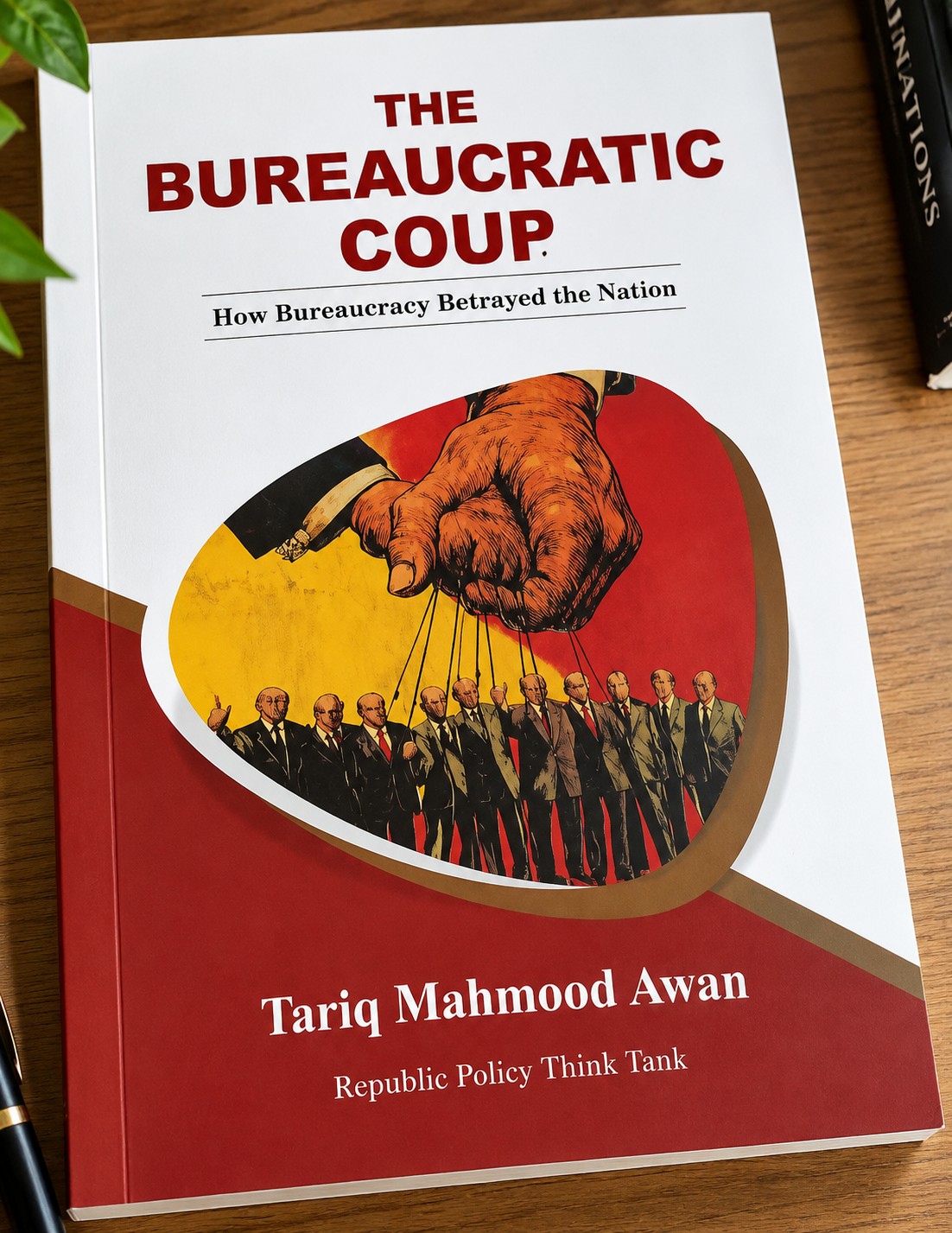
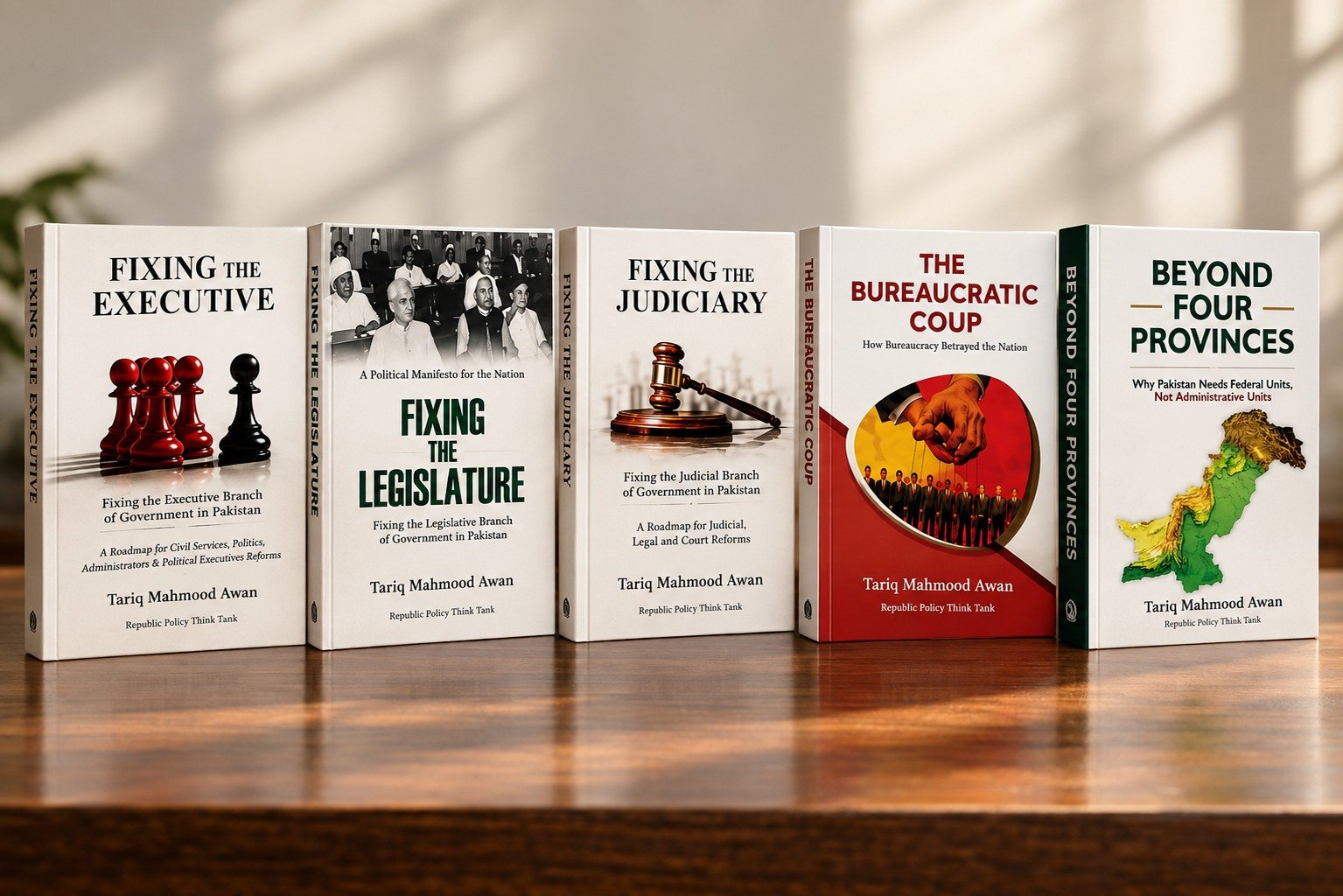
Republic Policy’s forthcoming book, Bureaucracy: The Art of Corruption, examines different dimensions of bureaucratic corruption from this perspective. Its central argument is that before attempting to eliminate corruption or formulate policies against it, we must first understand the culture of corruption. The fundamental question is: what practices do institutions recognise as corruption, and what forms of corrupt behaviour have become so normalised that they are no longer treated as corruption?
In this context, the author also discusses the concept of non-developmental corruption, which bureaucracy often does not recognise as corruption. For example, if an official is entitled to 75 litres of government-funded fuel but uses official authority or position to obtain 1,000 litres and consumes it for personal or household purposes, this too constitutes a form of corruption. Unnecessary official perks and privileges are similarly part of this debate.
Republic Policy therefore argues that eliminating corruption is not merely a question of accountability; it is also a question of reforming institutional culture. Unless public institutions recognise that the misuse of authority, privileges and public resources also constitutes corruption, an effective foundation for combating corruption cannot be established.