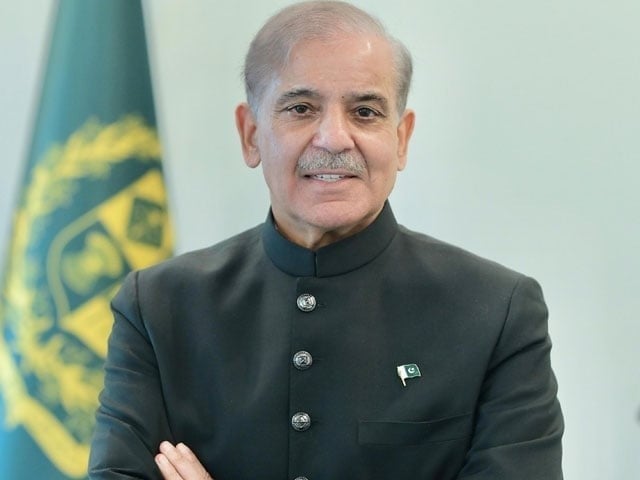


ISLAMABAD: Prime Minister Shehbaz Sharif has announced a major expansion of the Prime Minister’s Youth Business and Agriculture Loan Schemes, increasing the maximum personal loan limit from Rs7.5 million to Rs25 million and lowering the minimum eligibility age from 21 to 18 years. The changes are intended to widen access to business and agricultural financing, encourage entrepreneurship among young Pakistanis and strengthen their participation in the national economy.
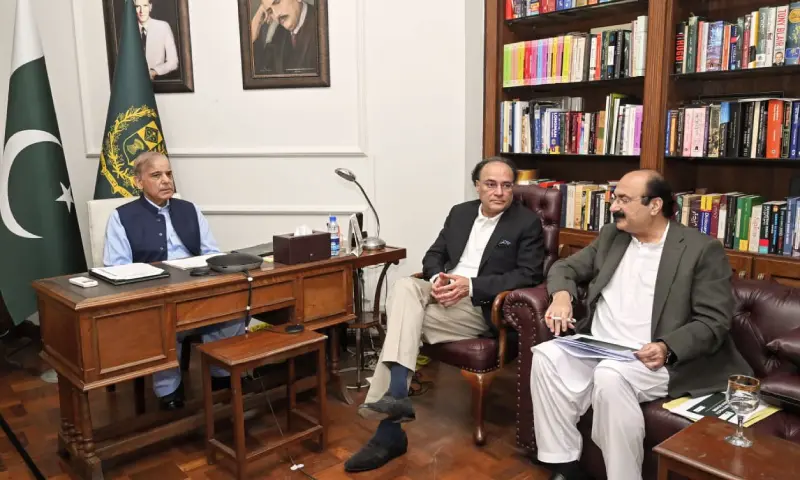
The decisions were taken during a meeting chaired by the prime minister on Sunday to review the progress and implementation of the youth financing programmes. According to the Prime Minister’s Office, the revised loan facility will be available through easy instalments, while the government has allocated Rs292 billion for lending to young people during the current fiscal year.
The expansion represents a substantial increase in the scale of the programme. By allowing 18-year-olds to apply, the government is seeking to bring younger people into formal economic activity at an earlier stage. The higher financing ceiling, meanwhile, is intended to provide greater support to those seeking to establish or expand businesses and undertake agricultural ventures.
Higher financing and wider eligibility
The increase in the maximum personal loan limit from Rs7.5 million to Rs25 million is one of the most significant changes announced at the meeting. It could enable eligible applicants to pursue business projects requiring greater initial investment, particularly in sectors where equipment, technology, infrastructure and working capital involve substantial costs.
Lowering the minimum age to 18 also broadens the potential reach of the programme. Young people entering adulthood will now be able to seek financing for business and agricultural activities rather than waiting until the previous eligibility threshold of 21.
However, access to credit at a young age must be accompanied by appropriate financial guidance. First-time borrowers may have promising ideas but limited experience in business planning, financial management, market assessment and loan repayment. The effectiveness of the expanded scheme will therefore depend on whether applicants receive sufficient support to turn borrowed capital into sustainable economic activity.
Thirty per cent allocation for women
The prime minister also directed that 30 per cent of the loans be allocated to women. The measure is intended to improve women’s access to finance, promote economic independence and encourage their participation in business activities.
Access to credit remains an important barrier for many women seeking to establish enterprises or expand existing economic activities. Limited collateral, restricted access to formal financial services and social constraints can make it difficult for women entrepreneurs to obtain financing on comparable terms.
A dedicated allocation could help address this imbalance, provided that the government establishes transparent procedures to ensure that women can actually access the facility. The allocation should be supported by accessible application channels, clear eligibility requirements, effective outreach and assistance with business development.
The policy’s success should ultimately be measured by the number of viable women-led enterprises established, the employment they generate and their ability to remain financially sustainable. A numerical allocation is an important starting point, but its value will depend on implementation.
SMEDA assigned a business development role
The prime minister directed the Small and Medium Enterprises Development Authority (SMEDA) to provide comprehensive assistance to young applicants. This includes guidance on starting businesses, consultancy services and technical support.
The instruction recognises that access to finance alone is not sufficient to create successful enterprises. Young entrepreneurs need help identifying commercially viable opportunities, preparing business plans, understanding regulatory requirements, assessing market demand and managing their finances.
SMEDA’s role could therefore become central to the programme’s effectiveness. Rather than treating loan distribution as the principal measure of success, the government needs an integrated approach that combines financing with training, mentorship and continuing business support.
For example, an applicant seeking to establish a small manufacturing unit may require technical advice, information about equipment costs, access to suppliers and guidance on marketing. An aspiring agricultural entrepreneur may need support with modern farming methods, water management, storage, machinery and access to markets.
Without such assistance, increased lending could expose inexperienced borrowers to unnecessary financial risks. With appropriate support, however, the programme could help convert entrepreneurial potential into productive investment.
Rs292 billion allocated for 2026-27
The meeting was informed that since January 2023, loans worth approximately Rs313.9 billion have been provided to 581,341 young people under the schemes.
For fiscal year 2026-27, the government estimates that Rs292 billion will be disbursed among 266,700 beneficiaries. The allocation indicates the scale of the government’s intended financing effort and places considerable importance on the programme’s implementation capacity.
These figures also highlight the need for transparent monitoring. The number of loans approved and the total amount disbursed are important indicators, but they do not necessarily establish whether the programme is achieving its broader economic objectives.
A credible assessment should examine how many financed businesses remain operational, how much employment they generate, whether borrowers are able to repay their loans and how effectively financing reaches underserved communities. Information should also be published on the distribution of loans by province, district, gender, age group and economic sector.
Such reporting would allow policymakers and the public to assess whether the programme is reaching those who need it most and whether public resources are producing measurable economic returns.
Youth entrepreneurship as an economic policy priority
Pakistan’s youth population represents a significant economic opportunity, but demographic potential does not automatically translate into productivity or employment. Young people need access to education, professional skills, finance and markets if they are to participate meaningfully in economic growth.
Traditional employment opportunities alone may not be sufficient to absorb the growing number of young people entering the labour market. Entrepreneurship and small business development can therefore complement formal employment by creating new enterprises, generating jobs and expanding economic activity beyond established business centres.
Agriculture offers another important avenue. Pakistan’s agricultural economy requires investment in modern techniques, efficient resource management, value addition and better connections between producers and markets. Young entrepreneurs could contribute through agricultural technology, food processing, storage, logistics and other related activities.
However, financing agricultural ventures requires an understanding of the sector’s particular risks, including weather conditions, market volatility, input costs and access to irrigation. Loan products and repayment schedules should therefore reflect the economic realities of different agricultural activities rather than applying a uniform financing model.
The government’s decision to expand the loan programme could provide an opportunity to address these challenges, but the quality of implementation will determine whether the initiative produces lasting results.
Credit must be linked to accountability and opportunity
The expansion of the scheme also raises important questions about the institutional arrangements governing public-sector lending. A programme involving hundreds of billions of rupees requires clear eligibility criteria, transparent selection procedures, effective financial oversight and accessible grievance mechanisms.
The government must ensure that loans are awarded on merit and commercial viability rather than political influence or administrative discretion. Application procedures should be simple enough for young people with limited experience of formal banking, while maintaining adequate safeguards against misuse.
Digital application systems, transparent approval timelines and publicly available performance data could improve accountability. Independent evaluations would further help identify weaknesses and establish whether the programme is achieving its employment and development objectives.
There is also a need to distinguish between credit access and enterprise development. A young person receiving a loan is not necessarily a successful entrepreneur. The real measure of achievement is whether the financing helps establish a productive activity capable of generating income, supporting employment and meeting repayment obligations.
For this reason, the government should consider linking financial assistance with structured training, mentoring networks and market access. Universities, technical institutions, business associations and agricultural research organisations could play a constructive role in developing this ecosystem.
Government officials attend the meeting
The meeting was attended by Finance Minister Muhammad Aurangzeb, Special Assistant to the Prime Minister on Youth Affairs Rana Mashhood Ahmed Khan and Special Assistant to the Prime Minister on Political Affairs Talha Burki.
The prime minister appreciated the efforts of the finance minister and his team and discussed measures to expand opportunities for young people, strengthen their economic independence and increase their participation in agriculture and business.
Separately, Federal Minister for Defence Production Raza Hayat Harraj called on Shehbaz Sharif on Sunday. According to the Prime Minister’s Office, the two discussed matters of mutual interest and the country’s political and economic situation.
In another development, the prime minister expressed grief over a shooting incident in Krakow, Poland, which resulted in deaths and injuries. In a statement posted on X, he conveyed Pakistan’s solidarity with the Polish people and government following the incident.
From loan disbursement to sustainable economic growth
The expansion of the Youth Business and Agriculture Loan Schemes reflects an attempt to use public financing as an instrument of economic inclusion. Raising the loan ceiling, lowering the eligibility age and reserving a share for women could widen access to entrepreneurial opportunities.
Yet the ultimate test will not be the size of the announced allocation or the number of applications processed. It will be whether young Pakistanis can use the financing to establish sustainable businesses, improve agricultural productivity and create employment.
For the programme to achieve these objectives, credit must be accompanied by institutional support, transparent governance, technical guidance and access to markets. Public money should generate productive economic activity rather than merely increase the volume of lending.
Pakistan’s young population represents an important national asset. Turning that potential into economic strength requires more than financial assistance: it requires a system that gives young people the skills, institutional support and opportunities to succeed.