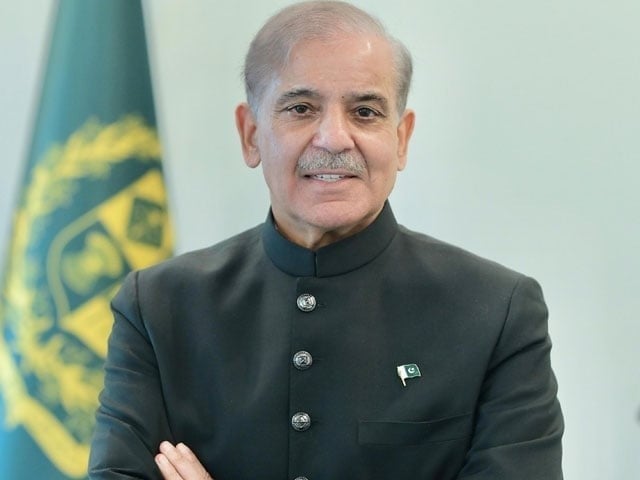

Prime Minister Shehbaz Sharif says the government is ending the longstanding LPG allocation monopoly through competitive auctions, while pursuing measures to protect consumers from rising international energy prices and ensure uninterrupted supplies during the winter.
ISLAMABAD: Prime Minister Shehbaz Sharif has announced a revised system for allocating liquefied petroleum gas (LPakistan Unveils New LPG Allocation System as Government Moves to Secure Winter Energy Supplies
PG), declaring an end to what he described as a decades-old monopoly in the sector. Under the new arrangement, locally produced LPG will be allocated through competitive and transparent auctions, while importers will also be required to operate under prescribed procedures.
The announcement came during a federal cabinet meeting on Wednesday, where the prime minister reviewed the country’s energy requirements ahead of the winter season. The government is seeking to secure adequate supplies of liquefied natural gas (LNG), LPG and oil amid rising international prices and challenges affecting maritime routes.
Sharif said the government was making every effort to ensure that energy remained available throughout the winter and that the impact of higher prices did not place an additional burden on ordinary citizens. He added that meetings were being held every two to three days to assess requirements, coordinate relevant departments and prepare contingency plans.
The revised LPG allocation mechanism is a significant part of the government’s stated effort to introduce greater competition and transparency in a sector that the prime minister said had remained under a longstanding monopoly.
Competitive auctions to replace LPG allocation monopoly
Under the new system, domestically produced LPG will be offered through competitive auctions under proper supervision. Companies importing LPG will also have to follow the procedures established by the government.
The prime minister said revenue generated through the transparent auction process would be deposited in the national exchequer. The government intends to use these resources to provide subsidies and relief to ordinary citizens.
The proposed arrangement is aimed at changing how locally produced LPG is allocated, with competition and transparent procedures replacing the previous system. Its practical impact will depend on how the auctions are conducted, how access is regulated and whether the new mechanism produces fair competition among suppliers.
LPG is an important source of energy for households and businesses, particularly where access to natural gas through pipelines is limited. Ensuring a reliable supply is therefore especially important during winter, when household energy requirements generally increase.
The government’s announcement comes as it faces the combined challenge of managing domestic energy demand, securing imported supplies and limiting the effects of international price movements on consumers.
Government prepares for winter energy demand
Addressing the cabinet, Sharif said the government was reviewing energy requirements regularly to ensure adequate supplies during the coming winter months.
He said the relevant ministries and departments were working on contingency and coordination plans, with meetings taking place every two to three days. The objective, according to the prime minister, was to respond promptly to supply challenges and keep power plants operational.
The government is particularly concerned about the effects of higher international energy prices and difficulties associated with maritime routes. Disruptions or delays in the movement of energy supplies can increase costs and create uncertainty for countries that depend on imported fuel.
Sharif said the government would make every possible effort to maintain energy availability while containing the impact of rising prices on the public.
The focus on LNG, LPG and oil reflects the importance of multiple energy sources in meeting Pakistan’s household, industrial and electricity-generation requirements. Any shortage or significant increase in the cost of these fuels can affect consumers, businesses and the wider economy.
Refineries asked to share windfall profits
The prime minister also praised a decision by the petroleum ministry and relevant authorities to approach oil refineries over sharing their windfall profits in response to rising international crude oil prices.
He said Petroleum Minister Ali Pervaiz Malik, his team, the Oil and Gas Regulatory Authority (OGRA) and the relevant committee had taken a timely decision to seek the refineries’ cooperation. The aim was to avoid passing on a proposed increase of Rs15 per litre in petrol prices to consumers.
The government presented the move as an effort to reduce the immediate pressure of higher international oil prices on domestic consumers.
Sharif appreciated the decision, describing it as an important step towards protecting the public from an additional increase in fuel costs. The announcement did not provide further details about the proposed arrangement with refineries or the precise mechanism through which the profits would be shared.
The issue remains important because changes in petrol prices can affect transport costs, the movement of goods and the prices of everyday commodities. An increase in fuel costs can therefore extend beyond motorists and influence the wider cost of living.
Subsidy programme to continue until December
The prime minister said the government’s subsidy programme, which has benefited around 15 million people, would continue at least until the end of December.
According to Sharif, approximately Rs28 billion had been spent under the programme so far. He estimated that around 75 million people had benefited when the families of the direct recipients were included.
The prime minister said the programme was being implemented transparently. However, he acknowledged that irregularities had been identified at a small number of petrol pumps following reports from intelligence agencies.
He directed the petroleum minister to ensure that petrol pumps found involved in irregular practices were closed and that heavy financial penalties were imposed on those responsible.
The directive signals the government’s intention to tighten oversight of the subsidy system and prevent benefits from being misused. Effective monitoring will be essential to ensure that public funds reach the intended recipients and that irregularities do not undermine the programme.
The government has not provided further details about the petrol pumps identified or the specific nature of the alleged violations.
Diplomatic engagement over regional tensions
During the cabinet meeting, Sharif also referred to recent diplomatic contacts aimed at reducing regional tensions and strengthening cooperation.
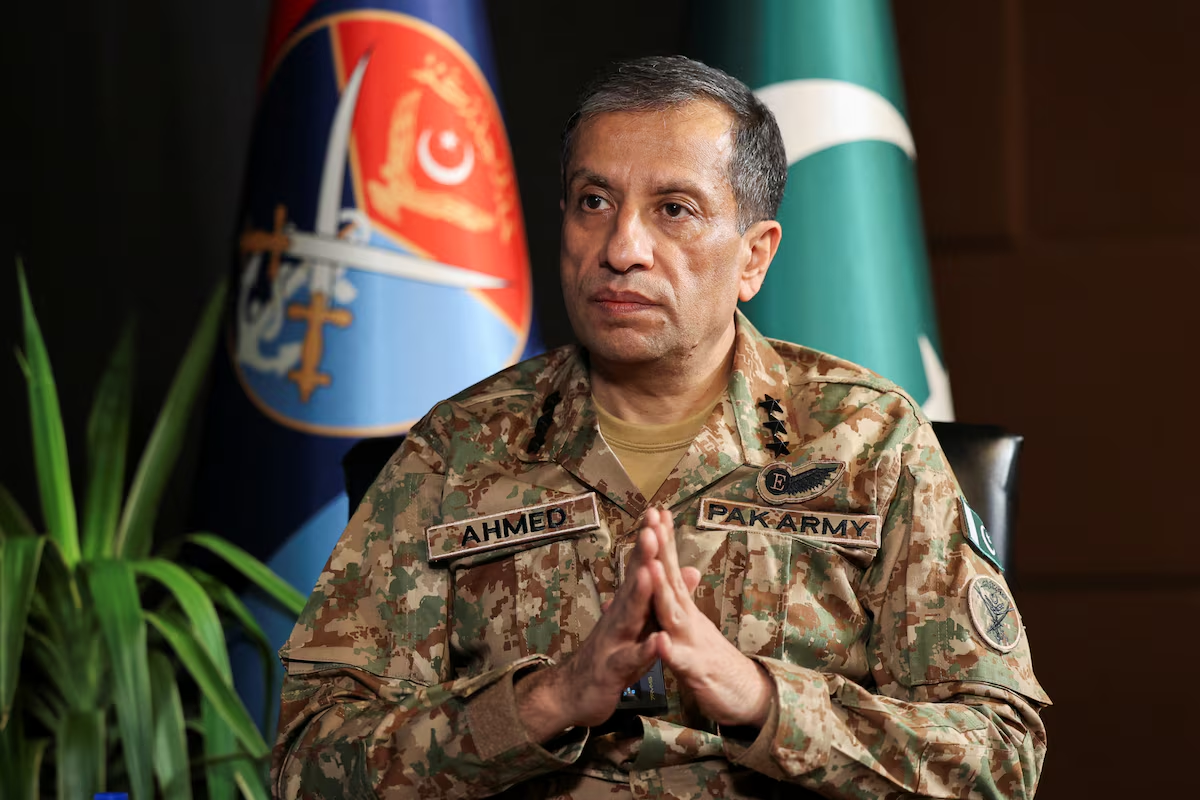
He mentioned two visits by Pakistani delegations to Tehran, a visit by the Field Marshal, the visit of the Saudi defence minister to Pakistan and the visit of Turkish official Ibrahim Kalin.
The prime minister said constructive discussions had taken place during these engagements, with a focus on reducing tensions in the region and advancing cooperation under a proposed trilateral arrangement.
The diplomatic activity comes at a time when regional stability and the security of maritime routes remain important considerations for energy-importing countries. Developments in the region can affect the movement of oil and gas supplies, international prices and the wider economic outlook.
Pakistan’s engagement with regional partners is therefore relevant not only to its diplomatic priorities but also to its energy security and economic interests. However, the prime minister’s remarks did not provide details about the proposed trilateral arrangement or identify specific agreements reached during the meetings.
Energy security remains a major challenge
The government’s latest measures reflect the pressure on Pakistan to manage energy supplies while limiting the financial burden on households and businesses. Rising international prices, dependence on imported fuels and uncertainty surrounding maritime routes make energy planning particularly important ahead of winter.
The revised LPG allocation mechanism is intended to introduce competition into a sector that the prime minister says has long been dominated by a monopoly. The proposed use of auction revenue for public relief also links the reform to the government’s wider subsidy programme.
At the same time, the approach to refineries over windfall profits and the continuation of subsidies show that the government is seeking to manage the immediate effects of higher energy costs through a combination of market changes and public support.
The effectiveness of these measures will depend on implementation. Competitive auctions will need transparent rules and effective supervision. Subsidies will require reliable monitoring, while efforts to maintain energy supplies will depend on coordination among government departments, energy companies and relevant international partners.
For consumers, the central concern remains whether these measures can ensure reliable supplies and prevent further increases in household energy expenses during the winter.
The government’s announcement sets out its intended direction: greater competition in LPG allocation, continued support for vulnerable consumers and closer coordination to manage energy supply risks. The real test will be whether these steps translate into a more reliable and affordable energy supply for the public.