


Pakistan and Sudan have signed an agreement allowing visa-free travel for holders of official and diplomatic passports, marking a new step in efforts to strengthen relations between the two countries. The agreement, signed on Saturday, November 7, 2026, is intended to facilitate official visits, diplomatic engagement and exchanges of government delegations.
According to a statement issued by Pakistan’s Ministry of Interior, Interior Minister Mohsin Naqvi and his Sudanese counterpart, Lieutenant General Babiker Samra Mustafa Ali, signed the agreement. Under its provisions, Pakistani and Sudanese citizens holding official or diplomatic passports will be able to enter the other country without obtaining a visa.
Both ministers welcomed the arrangement and described it as an important milestone in bilateral relations. The Ministry of Interior said the facility would make high-level contacts easier and create additional opportunities for official engagement and cooperation. The two sides also reaffirmed their commitment to strengthening friendly relations and institutional ties.
The agreement forms part of a broader effort to expand cooperation beyond diplomatic exchanges. During delegation-level talks held on Saturday, Pakistan and Sudan also agreed to pursue a memorandum of understanding (MoU) on cooperation against cybercrime. The meeting was attended by Minister of State for Interior Tallal Chaudhry, alongside officials from both countries.
The proposed MoU reflects the growing importance of digital security in bilateral cooperation. Cybercrime increasingly crosses national borders, requiring law-enforcement agencies to exchange information, develop technical capabilities and coordinate investigations. For Sudan, Pakistan’s experience in this field offers a potential source of institutional and technical support. The Sudanese interior minister expressed his country’s interest in benefiting from Pakistan’s expertise in combating cybercrime.
The discussions covered several additional areas, including internal security, police training, institutional cooperation and civil registration. Both sides agreed to explore stronger collaboration involving Pakistan’s National Database and Registration Authority (NADRA), as well as other relevant sectors.
Naqvi said Pakistan was prepared to extend all possible assistance to Sudan in peace-building and reconstruction. He also offered professional training for Sudanese police officers, indicating that cooperation could extend from policy-level engagement to practical capacity-building programmes.
A significant part of the discussions concerned NADRA’s contribution to Sudan’s civil registration system. Briefing the visiting minister, Naqvi said that, with NADRA’s cooperation, 36 million citizenship cards, nine million national identity cards, 18 million birth certificates and 500,000 death certificates had been issued in Sudan. He added that the Pakistani authority was ready to continue supporting the country’s civil registration process.
The figures cited by the interior minister point to an established area of technical cooperation. Civil registration and identity-management systems are important for public administration because they help governments maintain reliable population records, establish legal identity and improve the delivery of public services. In countries facing conflict and institutional disruption, maintaining such systems can also support the restoration of administrative capacity.
Sudan’s interest in further cooperation with NADRA therefore reflects a practical dimension of the relationship. Assistance in identity management, registration and institutional training could contribute to rebuilding administrative systems, although the scale and implementation of any future programmes will depend on arrangements agreed by the two governments.
The meeting also addressed difficulties faced by Sudanese nationals living in Pakistan. According to the Interior Ministry, Naqvi ordered the immediate resolution of visa-related problems affecting married Sudanese women in the country after the issue was raised by his counterpart. He also said Sudanese citizens could access medical facilities in Pakistan and would receive all possible assistance in the health sector.
These discussions highlight the importance of addressing the everyday administrative concerns of citizens alongside formal diplomatic agreements. Easier travel for official passport holders may facilitate government-to-government contact, while the resolution of visa and healthcare issues can affect the experience of ordinary people and families with links to both countries.
The Sudanese minister described Pakistan as a brotherly country and said Khartoum attached considerable importance to cooperation with Islamabad across different fields. He thanked Pakistan for its assistance and expressed a desire to expand engagement in several sectors.
The latest agreements follow a series of high-level contacts between the two countries. A day before the visa-free arrangement was signed, the Sudanese interior minister met Chief of Defence Forces and Chief of Army Staff Field Marshal Asim Munir at General Headquarters. Their discussions focused on avenues for enhancing bilateral cooperation.
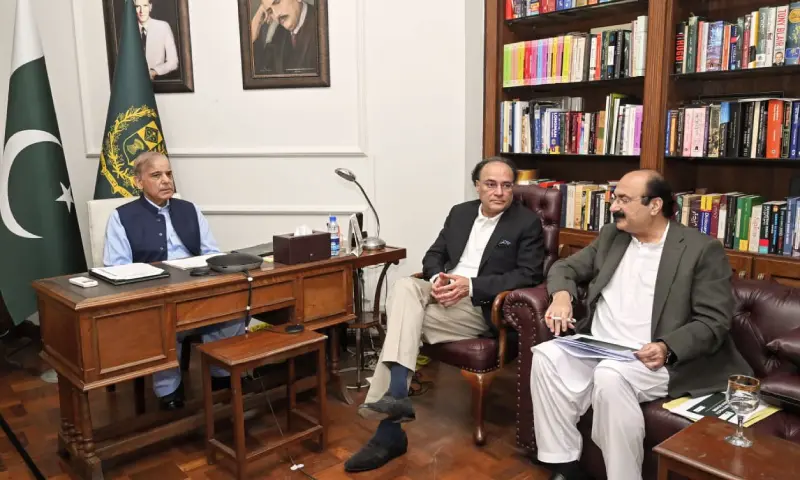
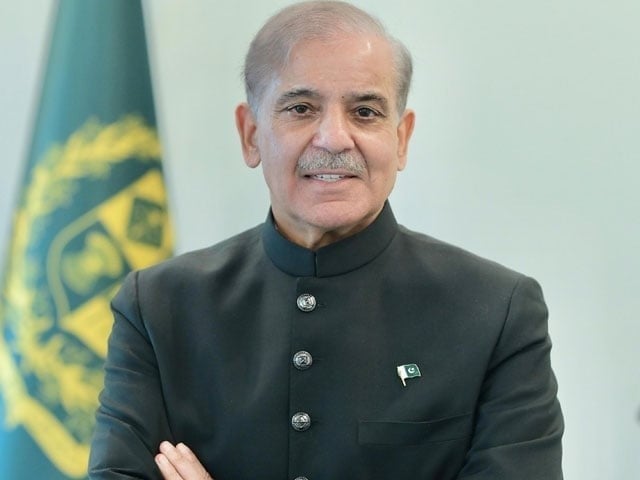
The visiting minister had also met Prime Minister Shehbaz Sharif on Thursday. During that meeting, he appreciated Pakistan’s support for international efforts aimed at restoring peace and security in Sudan. The contacts at the levels of the prime minister, military leadership and interior ministries indicate that both governments are seeking to broaden engagement across diplomatic, security and administrative institutions.
Sudan’s continuing conflict and humanitarian crisis provide an important context for these discussions. The country has faced extensive displacement, damage to public infrastructure and disruption of essential services. International engagement on peace and security remains central to efforts to address the crisis and create conditions for reconstruction.
Pakistan’s stated willingness to assist Sudan in peace-building, police training and civil registration places institutional cooperation among the principal areas of the relationship. The proposed cybercrime agreement and discussions on internal security further suggest an interest in developing practical mechanisms for collaboration.
However, the significance of these announcements will ultimately depend on implementation. The visa-free agreement provides a defined facility for official and diplomatic passport holders, while the proposed MoU on cybercrime and wider commitments on training and institutional support will require further agreements, coordination and sustained engagement between the relevant agencies.
For Pakistan and Sudan, the immediate task is to translate diplomatic understanding into working arrangements that produce measurable results. Continued cooperation in security, digital governance, civil registration, healthcare and reconstruction could give the relationship a broader institutional foundation.
The latest developments indicate a mutual interest in strengthening ties at a time when Sudan is seeking international support for stability and recovery. The visa-free agreement is one component of that effort; the wider agenda now rests on whether both governments can turn their commitments into sustained cooperation.