PPP chairman urges restoration of institutional legitimacy, release of political prisoners and political consensus, while opposing a referendum on new provinces and criticising the passage of the 27th Constitutional Amendment.
KARACHI: Pakistan Peoples Party (PPP) Chairman Bilawal Bhutto Zardari has called for a political reset in the country, arguing that the governance system did not collapse on its own but was deliberately weakened by those responsible for running it.
Speaking at a “Meet the Press” event at the Karachi Press Club on Tuesday, Bilawal said the debate should focus not simply on whether the system had failed, but on why it had reached that condition.
“Nobody objects that the system has collapsed, but there is no discussion and debate on why it collapsed,” he said, adding that proposals for restructuring the country’s administrative units did not address the underlying causes of poor governance.
Bilawal said a reset was necessary but insisted that it must be political and begin in parliament. Politicians, he argued, were representatives of the people and had a responsibility to resolve problems such as poverty, unemployment and inflation.
“I believe the system has not collapsed, but it has been made to collapse,” he said, acknowledging that political leaders, including himself, had made mistakes and needed to take responsibility for correcting them.
He also warned that state institutions had lost public legitimacy and called for efforts to restore confidence in the political and constitutional system.
Opposition trust and political prisoners
A central part of Bilawal’s speech focused on the strained relationship between the government and opposition, particularly the Pakistan Tehreek-e-Insaf (PTI).
He called for an end to political victimisation and urged the release of political prisoners, explicitly including PTI founder Imran Khan. He said a functioning parliament required political reconciliation and the restoration of opposition parties’ confidence in the system.
When asked whether he considered Imran Khan a political prisoner, Bilawal answered in the affirmative. He argued that Pakistan’s recurring pattern of prime ministers moving from office to prison reflected a political culture that needed to change.
He also called for the return of PTI’s reserved seats as a confidence-building measure, describing their allocation as an injustice to the opposition. Referring to the party symbol issue, he recalled the PPP’s own experience of losing its electoral symbol in 1988 and argued that depriving a political party of its identity undermined the public’s electoral choice.
Bilawal said the opposition should be given its due representation without preconditions and that grievances concerning elections and political representation needed to be addressed.
Criticism of the 27th Amendment
The PPP chairman also questioned the political consensus behind the 27th Constitutional Amendment, despite having strongly supported the legislation during its passage.
He said the 26th Amendment had been passed through bilateral agreement, even if complete consensus had not been achieved, and acknowledged the role played by Jamiat Ulema-e-Islam-Fazl chief Maulana Fazlur Rehman in facilitating opposition input.
However, Bilawal said the 27th Amendment had been passed neither through political consensus nor bilateral agreement, describing its passage as the result of a “brute majority”.
He maintained that the issue was not necessarily the creation of constitutional institutions but whether they enjoyed the confidence of lawyers, judges and the public. He called for engagement with opposition parties on judicial reforms, saying institutional legitimacy was essential to a wider democratic reset.
New provinces and referendum
Bilawal firmly opposed what he described as unconstitutional efforts to create new provinces, particularly through a referendum.
He said the PPP was not against the creation of additional provinces in principle but would resist any forced division of existing provinces, especially Sindh. He argued that constitutional procedures and the views of provincial assemblies and their people had to be respected.
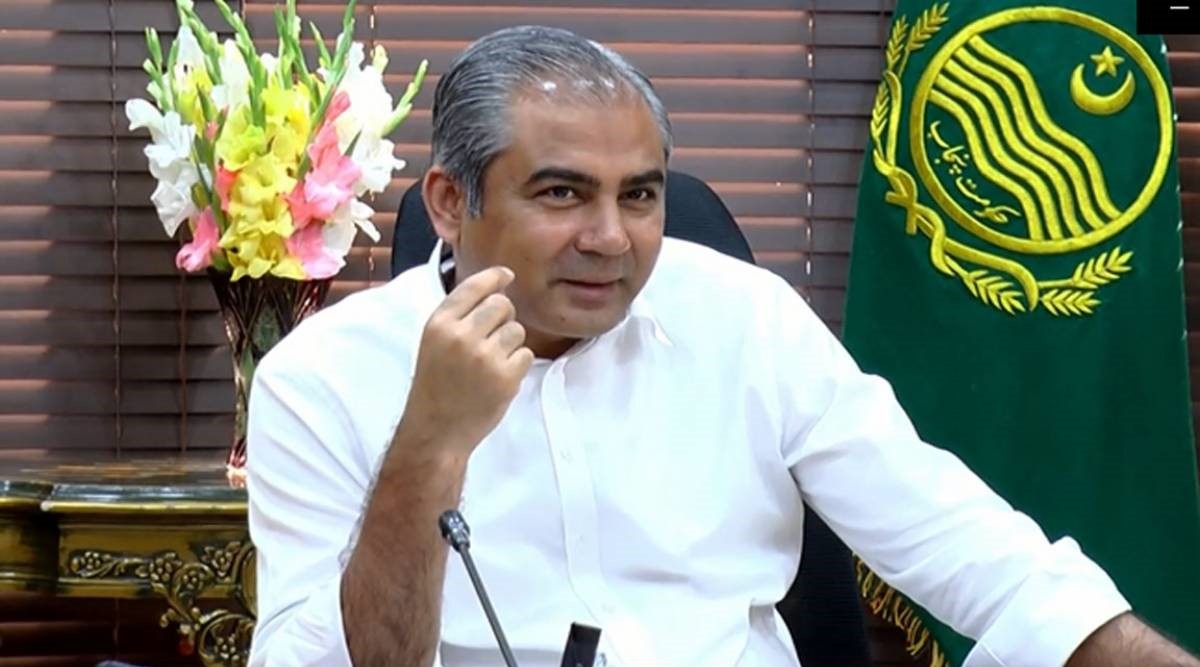
Referring to the proposal for a referendum floated by Interior Minister Mohsin Naqvi, Bilawal questioned its purpose and said Pakistan’s history offered little reason to regard referendums as instruments of democratic decision-making.
“In our history, a referendum has always been carried out for an undemocratic act and never a democratic one,” he said.
He maintained that if the Constitution already provided a mechanism for creating administrative units, proposing a referendum raised questions about whether the intention was to bypass constitutional procedures.
Bilawal also said the PPP’s elected representatives were facing pressure over the issue but would not take decisions against the wishes of their constituents. He warned against any forced division of Sindh, recalling that the provincial assembly had repeatedly passed resolutions opposing its division.
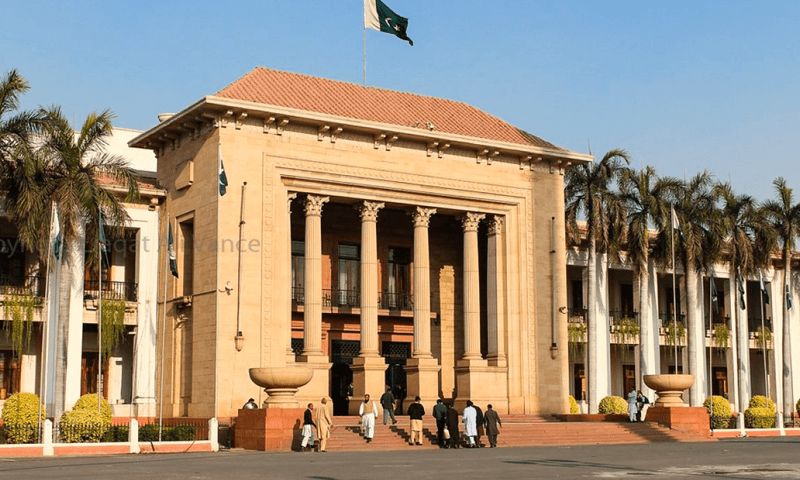
He further said the PPP would not support any move against Punjab and would back decisions on its administrative structure only if endorsed by the Punjab Assembly.
Federal-provincial tensions
The PPP chairman questioned why proposals for a governance reset and new provinces were being discussed publicly without prior consultation with the coalition partners, provincial governments or parliament.
He said the federal cabinet had not discussed the matter and questioned why federal ministers were independently promoting proposals that had not been formally placed before the relevant political institutions.
Bilawal called on Prime Minister Shehbaz Sharif to clarify the federal government’s position and exercise authority over his ministers. He also invited the prime minister to hold discussions with the Sindh government on public issues and suggested that cabinet meetings be convened in different provinces.
Defending provincial autonomy, he cited financial contributions that he said Sindh had made to the federation, including Rs585 billion in surplus support, Rs260 billion for security and national interests, and amounts linked to petroleum-related levies.
He argued that the federal government could not blame provincial administrations for poor public services without accounting for the resources retained or collected at the federal level.
Defence of opposition’s right to criticise
Bilawal also defended Maulana Fazlur Rehman’s right to criticise the government amid recent tensions between the JUI-F chief and federal ministers.
He said criticism of the government was a fundamental responsibility of the opposition and that questioning the patriotism of opposition politicians undermined parliamentary democracy.
“The opposition’s right is to criticise you,” he said, adding that disagreement within parliament was a source of democratic strength rather than a threat to the state.
He also called for renewed engagement with the PTI, arguing that if the opposition was willing to cooperate with the government on counterterrorism, there should be room to revisit the imposition of governor’s rule in Khyber-Pakhtunkhwa.
Bilawal’s speech placed political reconciliation, parliamentary legitimacy, provincial autonomy and institutional accountability at the centre of the debate over Pakistan’s proposed governance reset. His central argument was that administrative restructuring alone would not repair the system unless political parties and state institutions addressed the decisions and practices that had weakened public trust.