
Editorial
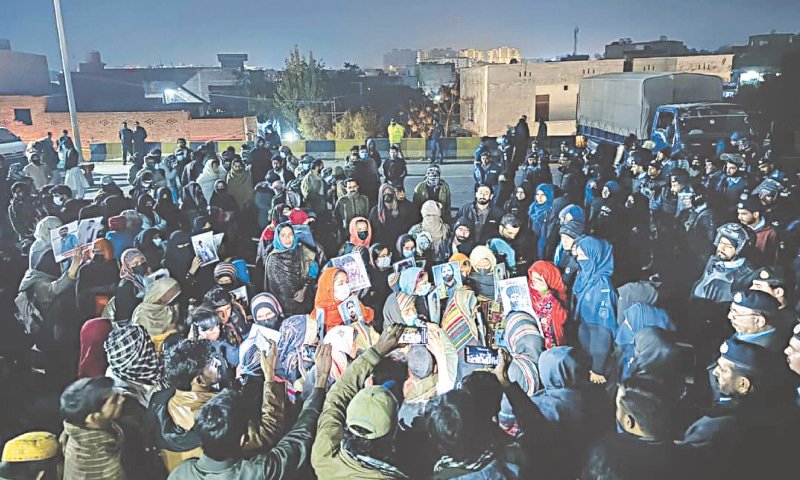
The harsh response to the peaceful Baloch long march protesting enforced disappearances and extrajudicial killings in their province sparked outrage and legal pressure. Initially, clashes erupted as Islamabad police used water cannons, tear gas, and baton charges to disperse the protest, resulting in the arrest of numerous individuals, including women and children. Disturbing footage on social media captured the forceful actions of security forces, adding fuel to the public’s anger.
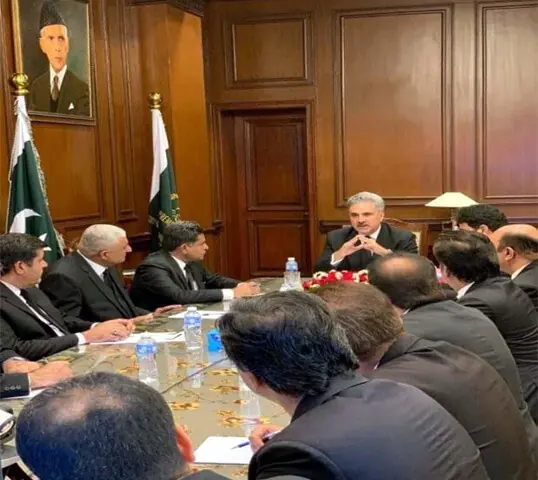
The Baloch Yekjehti Committee (BYC), representing the protesters, swiftly filed a petition in the Islamabad High Court. The Chief Justice, recognizing the protesters’ constitutional right to assembly, issued a stern warning against further interference. This legal intervention, coupled with mounting public pressure, prompted the caretaker Prime Minister to form a committee for negotiations with BYC members.
Following discussions, the detainees were released. However, the underlying tension remained as the government and protesters disagreed on the location for the continued demonstration. While the authorities suggested alternative sites with better security, the protesters insisted on reaching the Islamabad Press Club, citing past peaceful protests held there.
Government officials acknowledged the legitimacy of previous protests but claimed that “elements” with disruptive intentions joined this particular march. They emphasized that only those engaging in violence and concealing their identities were apprehended, underscoring the need for maintaining law and order. Despite assurances of no excessive force, the incident cast a shadow of distrust and underscored the protesters’ demand for justice in the Balach Baloch killing.
The context behind the protest paints a grim picture. Balach Baloch’s alleged cold-blooded killing at the hands of the Counter-Terrorism Department (CTD) sparked deep resentment. Protesters accused the CTD of falsely labeling him a terrorist and demanded concrete action against those responsible. While the CTD claims the incident resulted from an armed clash with security forces, doubts and anger persist.
Human rights organizations like the Human Rights Commission of Pakistan (HRCP) and Amnesty International condemned the police crackdown and urged the government to address the protesters’ grievances. They highlighted the violation of fundamental rights to assembly, liberty, and security, calling for impartial investigations into extrajudicial killings and disappearances, particularly in Balochistan. The demand for compensation for affected families added another layer to the complex issue.
The events surrounding the Baloch long march paint a multifaceted picture of a community seeking justice amidst ongoing human rights concerns. While the release of detainees marks a positive step, the underlying tensions and unanswered questions remain. Finding a path towards genuine dialogue and meaningful action becomes the crucial challenge in addressing the deep-seated issues that sparked the protest and continue to impact the lives of many in Balochistan.
Pakistan is a federation and a constitutional democracy. Therefore, it is vital that all federal entities are respectfully treated and their demands under the constitution of Pakistan and due process of law are ensured for a functional governance in Pakistan.
Please, subscribe to the YouTube channel of republicpolicy.com