
Editorial
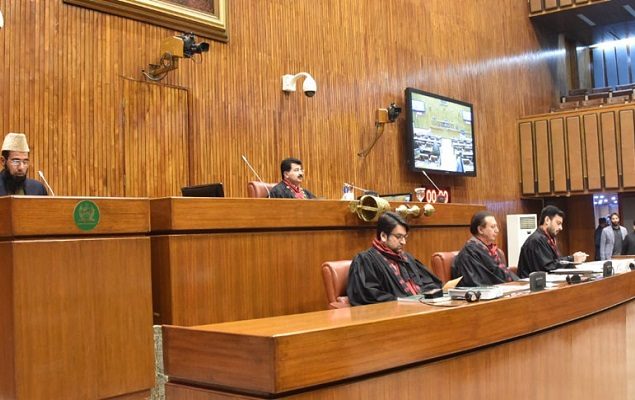
Pakistan’s political landscape has been further unsettled by the tabling of yet another resolution in the Senate, this time by Senator Hidayatullah, with the aim of postponing the upcoming general elections scheduled for February 8th. This marks the second such attempt in less than two weeks, reflecting a growing concern within certain sections of the parliament about the feasibility of holding the polls on the set date.
Senator Hidayatullah’s resolution paints a grim picture of the prevailing security situation, citing it as the primary reason for advocating a delay. The document specifically mentions the recent surge in terrorist attacks, focusing on those targeting electoral candidates in Khyber Pakhtunkhwa and Waziristan as particularly alarming indicators of a volatile environment for an election campaign.
Beyond simply highlighting existing risks, the resolution also places a significant responsibility on the Election Commission of Pakistan (ECP). It implores the commission to prioritize not only the peaceful conduct of the elections but also the creation of a level playing field for all participating political parties. This demand underscores a potential fear of bias or unequal opportunities influencing the outcome of the elections if held under the current circumstances.
The emergence of this second resolution follows Senator Dilawar Khan’s similar effort on January 5th, which also called for a postponement based on concerns about weather conditions and security threats. While the earlier attempt drew mixed reactions, it nonetheless sparked a larger debate about the viability of holding the elections as planned.
With less than a month remaining until February 8th, the fate of the general elections hangs in the balance. The Senate’s consideration of these resolutions marks a critical juncture in the political process, and their ultimate decision will have a profound impact on the trajectory of Pakistan’s democratic future. The coming days and weeks are likely to witness intense discussions and negotiations as various stakeholders weigh the risks and potential consequences of both proceeding with the elections as planned and delaying them further.