
Editorial
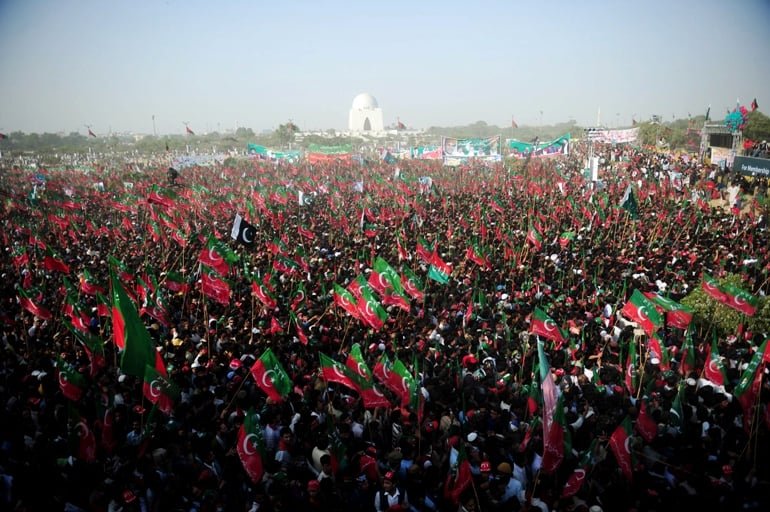
The Karachi police’s decision to register a case against PTI workers and leaders under terror charges for their actions during a recent rally warrants a critical evaluation, considering the complexities of the situation and potential implications. The police claim the rally was “unlawful” as it lacked proper authorization and disrupted public order. Vandalism, assault on police officers, and aerial firing are serious offences that necessitate legal action. The DIG alleges PTI leadership engaged in “hate speech” against police, potentially inciting the crowd to violence. If proven, this could justify stricter charges. Applying serious charges like terrorism might deter future such actions and establish a strong precedent for upholding law and order during political gatherings.
The use of terror charges for relatively common protest-related offences like vandalism appears excessive. This raises concerns about potential political bias or intent to suppress dissent. The PTI argues they informed authorities about the gathering and claims other parties hold rallies without restrictions. This raises questions about fairness and infringement on the right to peaceful assembly and political expression. Applying such serious charges could further escalate tensions between PTI and the authorities, exacerbating political polarization and potentially leading to more protests and unrest.
An independent investigation is crucial to establish the facts and determine the extent of involvement and culpability of individuals on both sides. The severity of charges should be proportionate to the actual offences committed and avoid the appearance of politically motivated targeting. Transparency in the investigation and legal proceedings is vital to maintain public trust and prevent accusations of bias or manipulation.
While the police have a legitimate responsibility to maintain order and address violations, the use of terror charges against PTI workers in this case requires careful scrutiny. Concerns about proportionality, potential bias, and the impact on political freedoms cannot be ignored. Moving forward, prioritizing an independent investigation, ensuring due process, and upholding proportionality in charges and responses are crucial to navigate this situation effectively and avoid further escalation of tensions.
Lastly, it is the fundamental political right of political parties, supporters, and workers to hold assemblies. And, that can not be snatched at any cost.