
Editorial
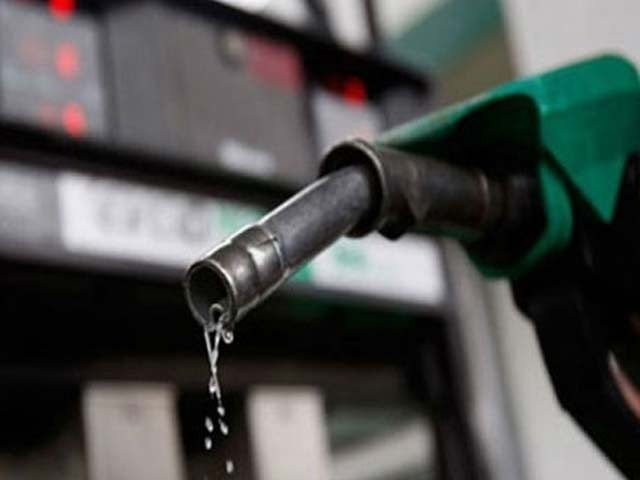
The recent petrol price hike in Pakistan, announced by the caretaker government, warrants a critical evaluation due to its potential impact on the economy and public well-being. The Rs 13.55 per litre hike for petrol exceeds initial expectations of Rs5-9, raising concerns about its inflationary impact. This translates to a 5.2% surge, pushing the price to a record high of Rs272.89. The notification cites higher international oil prices and import premiums as primary drivers. While international prices did rise slightly, the significant premium hike (from $4.2 to $6.5 for HSD and $7.5 to $9.5 for petrol) played a more substantial role.
Petroleum and electricity prices are key drivers of Pakistan’s already high inflation (29.7% in December 2023). This further increase in petrol costs is likely to exacerbate inflationary pressures, impacting essential goods and services across the economy. The government has already reached the maximum permissible petroleum levy of Rs60 per litre, aiming to collect Rs869 billion in petroleum levy this year. However, exceeding Rs920 billion is expected by June, raising concerns about dependence on this regressive tax and its impact on consumer spending. The rising cost of transportation due to the petrol price hike will disproportionately burden low-income households, potentially leading to reduced access to essential services and further hardship.
The caretaker government faces a difficult balancing act between controlling inflation, generating revenue, and mitigating the impact on the public. While raising petroleum levies is a quick way to generate revenue, it fuels inflation and hurts the most vulnerable. Exploring alternative revenue sources, addressing inefficiencies in the petroleum sector, and implementing targeted social safety nets could be considered to mitigate the negative consequences of the price hike.
Overall, the recent petrol price hike in Pakistan is a complex issue with significant economic and social implications. While the government faces budgetary constraints, prioritizing inflation control and public welfare through targeted interventions and exploring alternative revenue sources is crucial to navigating this challenging situation.
Please, subscribe to the YouTube channel of republicpolicy.com