
Editorial
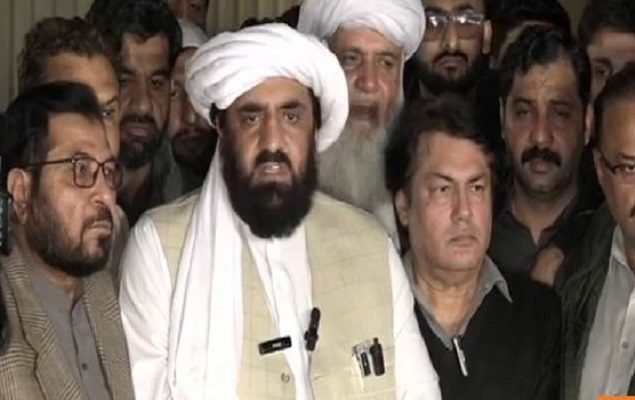
The proposed alliance between Pakistan Tehreek-e-Insaf (PTI) and Jamiat Ulema-e-Islam (JUIF) raises eyebrows due to its seemingly unnatural nature. Examining this potential union demands a critical exploration of its historical backdrop, potential challenges, and underlying motivations. Both parties find their core support in the Pashtun belt, historically vying for political dominance. PTI’s rise in Khyber Pakhtunkhwa (KPK) significantly eroded JUIF’s influence, and recent attempts by PTI to expand into Balochistan further threatened JUIF’s stronghold. This competitive history and personal animosity between Imran Khan and Maulana Fazlur Rehman created a significant hurdle in garnering immediate acceptance from their respective bases.
Merging these divergent groups presents numerous challenges. Integrating their supporters necessitates navigating delicate cultural nuances and overcoming pre-existing political differences. Failure to handle this carefully could have serious consequences for PTI, especially if they neglect electoral realities and cultural sensitivities in JUIF’s strongholds. One key reason behind PTI’s interest in the alliance could be leveraging JUIF’s well-known mobilization capacity for street protests against alleged election rigging. While this might offer short-term gains, the long-term cost remains unclear. Aligning with a party known for more conservative stances could alienate PTI’s more moderate supporters and potentially damage its image.
Ultimately, the success of this alliance hinges on how effectively both parties manage their own interests. Can they reconcile their differing ideologies and agendas? Will they prioritize national interests over their own political ambitions? These remain open questions. Analyzing this potential alliance solely through the lens of PTI and JUIF neglects the broader political landscape. Exploring alternative strategies for both parties, considering internal factions within each, and gauging public perception, particularly in the Pashtun belt, are crucial elements for a more comprehensive evaluation.
Due to tough political circumstances for PTI, where it is facing the governmental onslaught, PTI is in need of partners. But at what cost? Their recent electoral victory needs consolidation and winning back their rigged constituencies. However, the proposed PTI-JUIF alliance is fraught with complexities and potential pitfalls. While short-term gains like enhanced street power might be tempting, ignoring the significant historical, political, and cultural challenges could create more problems than it solves. Ultimately, the success of this union hinges on careful navigation, prioritizing national interests, and addressing the concerns of both their supporters and the Pakistani public at large.
Please, subscribe to the YouTube channel of republicpolicy.com