
Editorial
The trial of Zulfikar Ali Bhutto was deeply intertwined with Pakistani politics. Bhutto, a charismatic and popular leader, was overthrown in a military coup led by General Zia ul-Haq in 1977. The trial, widely seen as politically motivated, aimed to delegitimize Bhutto and his party, the Pakistan Peoples Party (PPP). The execution further solidified Zia’s grip on power and ushered in a period of authoritarian rule.
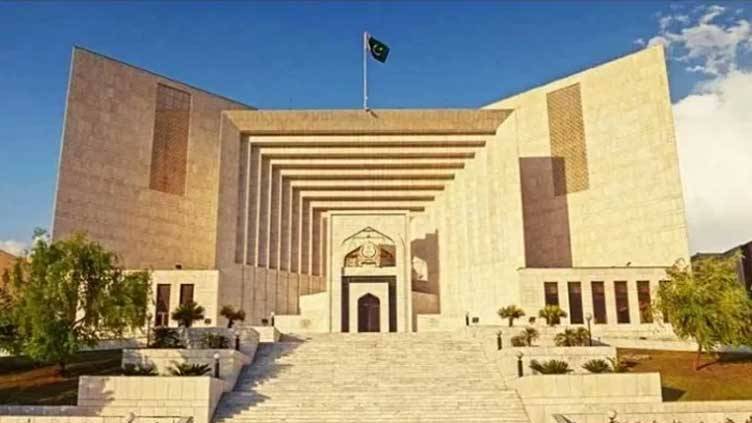
The legal process surrounding Bhutto’s trial was deeply flawed. The Supreme Court’s recent observations highlight concerns about due process. The short order suggests the trial at the Lahore High Court and the subsequent appeal in the Supreme Court did not meet the standards of a fair trial. This casts doubt on the validity of the conviction and raises questions about the impartiality of the judiciary under Zia’s regime.
The Supreme Court’s acknowledgment of the flaws in Bhutto’s trial marks a significant development. It represents a willingness to confront past mistakes and a potential step towards strengthening judicial independence. However, the observations also raise questions about the power dynamics within the judiciary at the time. The split decision upholding Bhutto’s death sentence suggests internal pressure or a lack of a strong commitment to upholding legal principles.
The Bhutto trial continues to resonate in Pakistani society. Bhutto’s execution remains a controversial event, with his supporters viewing it as a political assassination. The trial also highlights the vulnerability of democratic institutions and the potential for the legal system to be manipulated for political ends. This case serves as a stark reminder of the importance of upholding the rule of law and ensuring a fair trial for all.
Lastly, where there is a symbolic value in the Bhutto case, more importantly, the present judiciary must take up a backlog of all cases and adjudge them as soon as possible.
Please, subscribe to the YouTube channel of republicpolicy.com