
Editorial
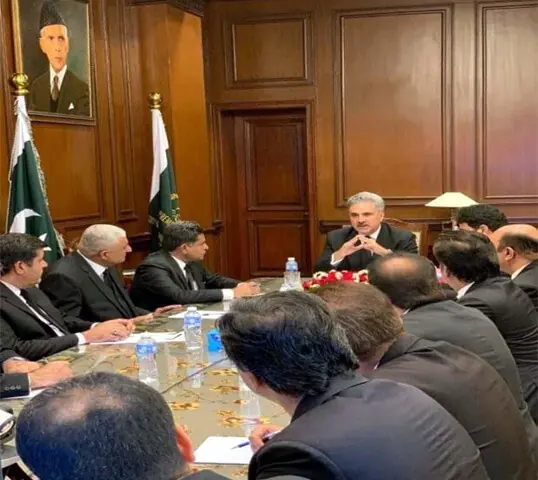
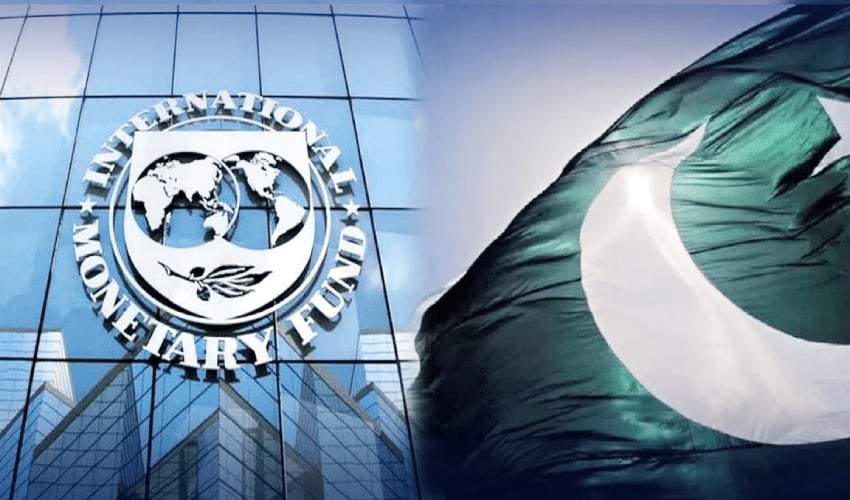
Pakistan’s negotiations with the IMF expose a tightrope walk the country must undertake to achieve fiscal stability. The key sticking point is the National Finance Commission (NFC) award, which determines the division of tax revenue between the federal and provincial governments.
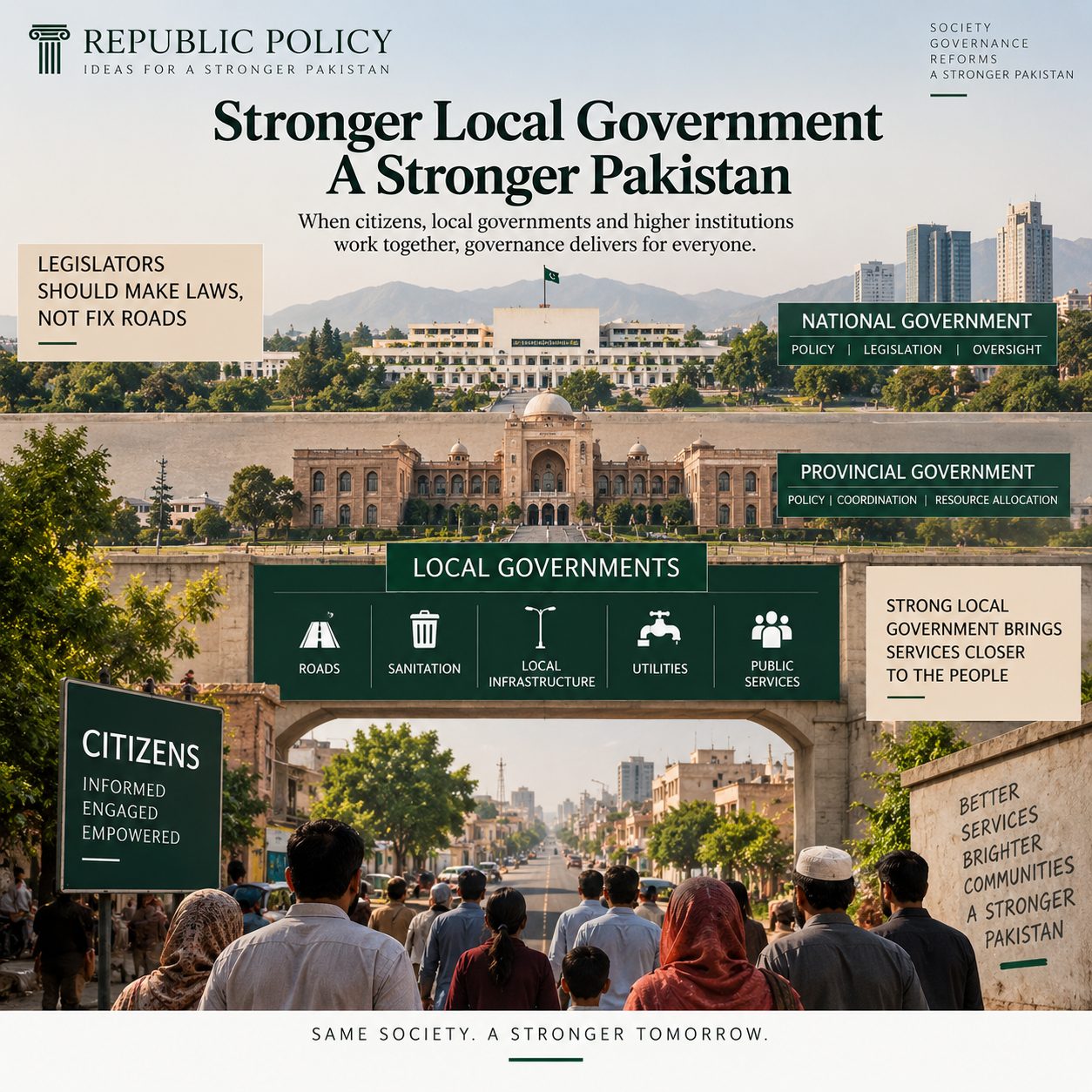
The IMF argues for a revision of the 2010 NFC award, which saw provincial shares increase from 47.5% to 57.5% of federal taxes. This, they claim, has created a fiscal imbalance as a corresponding transfer of additional responsibilities didn’t accompany these increased provincial funds. The result? Rising public debt and a struggle to meet budget targets.
However, the Pakistani government faces a significant hurdle in revisiting the award. Amending the NFC formula requires a constitutional change and agreement from all four provinces. This is a politically fraught issue, especially given the diverse interests of the provincial governments. The Pakistan Peoples Party (PPP) strongly advocates for maintaining the current award, while the Pakistan Tehreek-e-Insaf (PTI) controls the Khyber-Pakhtunkhwa government, further complicating negotiations.
The IMF further raises concerns about excessive spending by provincial governments, jeopardizing the primary surplus target. While Punjab has pledged to restrict spending, the enforceability of such measures remains to be determined. This need for more transparency is a recurring theme.
The discussions also touch upon the ailing energy sector. The IMF urges continued price adjustments and addressing expiring Power Purchase Agreements (PPAs). Privatization of power distribution companies and subsidies for agriculture also come under scrutiny.
Finally, Pakistan’s negotiations with the IMF highlight the critical need for fiscal discipline. The IMF’s demands for resource redistribution and spending control are crucial for long-term financial health. However, achieving these goals requires overcoming significant political hurdles and a lack of transparency in spending patterns. For a sustainable solution, Pakistan needs a multi-pronged approach. This could include detailed plans for spending reforms, improved financial monitoring at the provincial level, and exploring alternative solutions or successful models from other countries. Only then can Pakistan truly walk the tightrope toward economic stability.
Please, subscribe to the YouTube channel of republicpolicy.com