
Editorial
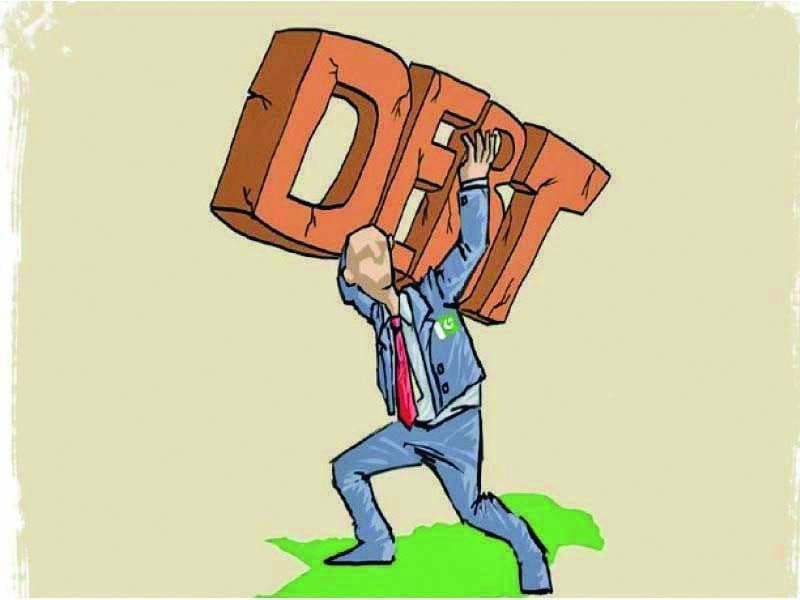
The Pakistani government’s reliance on domestic borrowing to finance its fiscal deficit has reached alarming levels, with a staggering 77 percent of the borrowing sourced domestically in the first six months of the current year. The interest component of the current expenditure has skyrocketed to 4.2 trillion rupees, with a significant 3.69 trillion rupees attributed to domestic debt, making up approximately 58 percent of the budgeted amount for the year.
The escalating dependence on domestic debt can be directly linked to the prevailing high interest rates, which have significantly hindered the government’s ability to borrow the budgeted amount from the commercial banking sector abroad, as indicated by international rating agencies. As a result, the government has resorted to increased issuance of Pakistan Investment Bonds, leading to a rapid rise in domestic indebtedness.
Recent data from the State Bank of Pakistan indicates a provisional figure of domestic debt and liabilities at 43.4 trillion rupees, marking a 2 percent increase in three months. The bulk of this borrowing has been through the issuance of Pakistan Investment Bonds, which has been influenced by the high discount rate of 22 percent. This rate has contributed to domestic indebtedness and inflation by [specific mechanisms].
Despite the International Monetary Fund’s recommendation for a data-driven monetary policy, concerns are mounting over the 22 percent discount rate, particularly in light of the observed downward trajectory of both Consumer Price Index and core inflation. The accuracy of inflation data provided by the Pakistan Bureau of Statistics is also being questioned, further complicating the assessment of economic conditions and the formulation of effective strategies.
In response to these challenges, there are calls for the Pakistani economic team to focus on reducing current expenditure, including limiting procurement expenses and refraining from public sector pay raises. Additionally, there is an appeal for the IMF to reevaluate its program design. This could involve specific changes, which are expected to better suit the unique economic conditions in Pakistan and other countries.