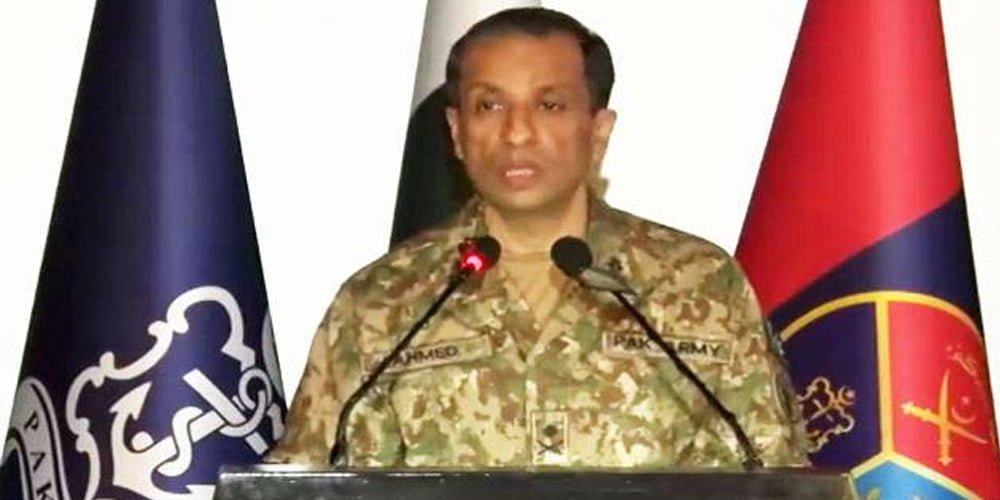

Inter-Services Public Relations Director General Lieutenant General Ahmed Sharif Chaudhry has said that the Makkah Defence Alliance between Pakistan, Saudi Arabia and Türkiye is a defensive arrangement aimed at collective deterrence and carries no aggressive or regional ambitions.
Speaking during an interview with Al Arabiya English, Lt Gen Chaudhry said the agreement formalised Pakistan’s longstanding defence and strategic relationships with Saudi Arabia and Türkiye.
Asked whether the pact represented defensive cooperation or the beginning of a broader strategic alliance, he stressed that its purpose was defensive. He said the arrangement had no aggressive dimension and was intended to strengthen collective deterrence while complementing the three countries’ existing international relationships.
The military spokesperson explained that Pakistan, Saudi Arabia and Türkiye maintain independent relations with other countries, alliances and international blocs. The new defence arrangement, he said, was not designed to compete with those relationships.
Asked about mutual defence obligations and how the three countries would respond if one member came under attack, Lt Gen Chaudhry said the publicly released text of the agreement clearly defined its commitments. However, the operational details of implementing those commitments were matters of security and would not be publicly disclosed.
He said decisions about how the three countries would respond to aggression would remain for their respective leaderships to determine and implement.
Responding specifically to a question about Pakistan’s relationship with China, Lt Gen Chaudhry said the Makkah Defence Alliance complemented rather than competed with Islamabad’s ties with Beijing. Pakistan’s relationships with Saudi Arabia and Türkiye were longstanding and well understood internationally, including by China, he added.
He maintained that the alliance was intended to contribute to regional peace and stability and noted that all three member states also enjoyed strong relations with China.
Asked whether the arrangement could eventually develop into a wider security architecture for the Muslim world, Lt Gen Chaudhry said the agreement did not define itself as a specifically Muslim alliance. Instead, he described it as an arrangement for regional stability.
He said the alliance could potentially accommodate other willing partners that shared the principles of regional peace, security, non-aggression, non-interference and collective deterrence. Any decision on expansion, however, would rest with the leadership of Pakistan, Saudi Arabia and Türkiye.
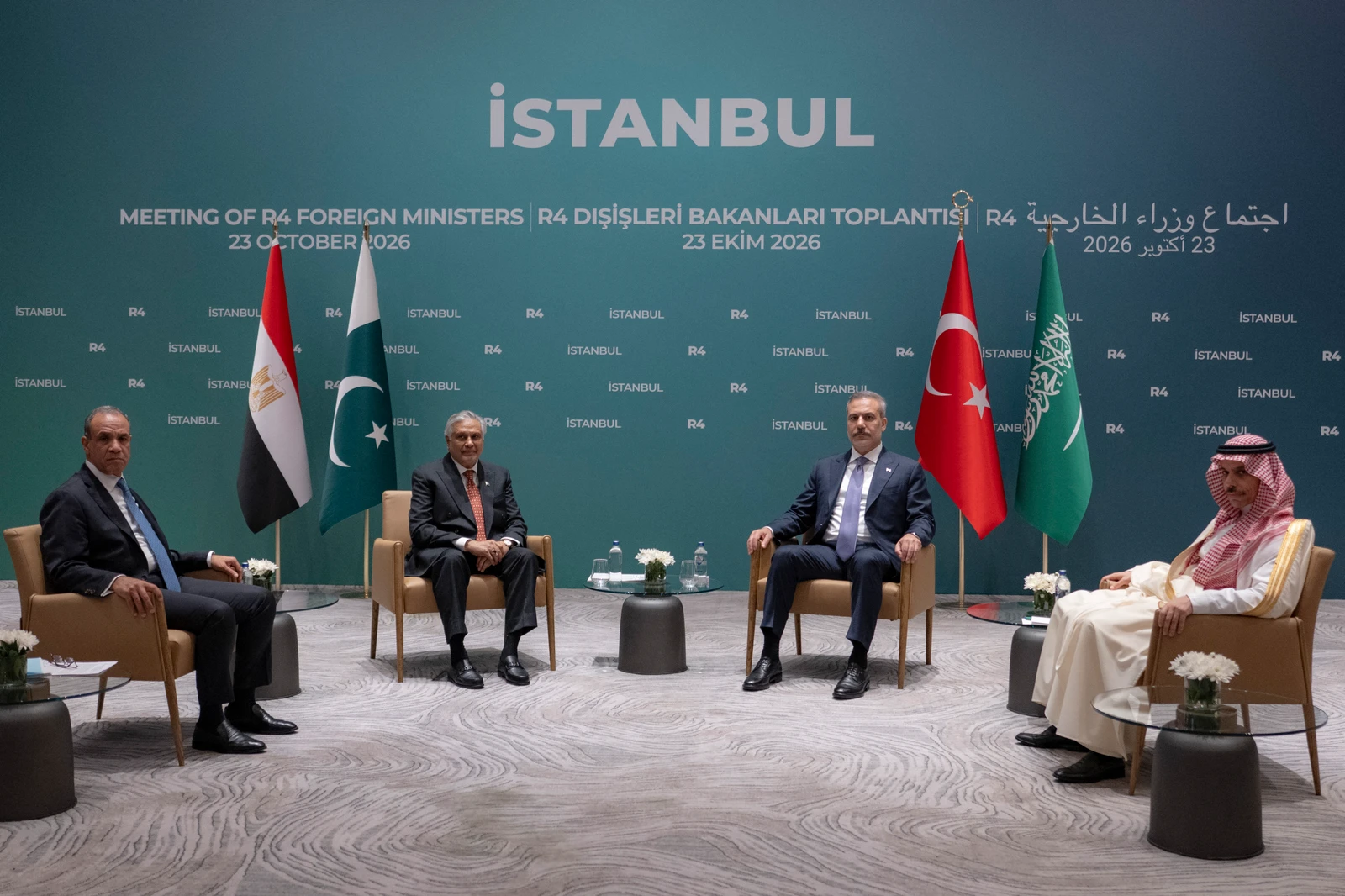
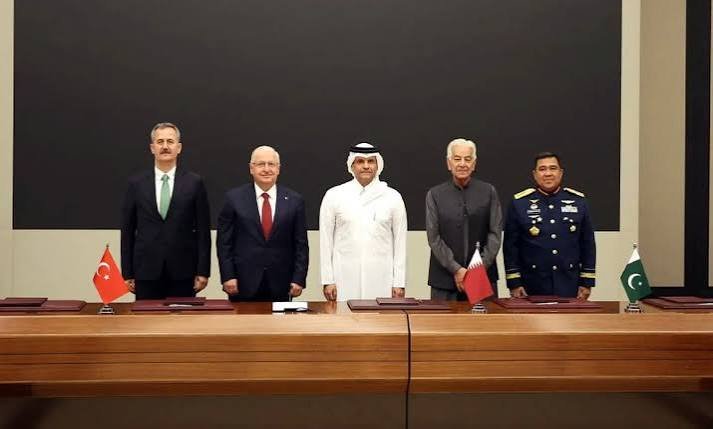
The tripartite defence pact was signed on August 7 and provides that an attack against one member would be regarded as an attack against all. Its inaugural meeting was held in Istanbul on August 31, where Pakistan was selected to initially lead the alliance’s secretariat for three years.
The possibility of expanding the alliance has been discussed since its formation, including an initial suggestion from Türkiye regarding Egypt. However, Cairo has not confirmed its participation.
Prime Minister Shehbaz Sharif and Deputy Prime Minister and Foreign Minister Ishaq Dar have previously described the agreement as defensive rather than offensive. Dar also indicated that it could potentially be open to regional countries willing to adhere to its fundamental principles.
More recently, however, Foreign Office spokesperson Sajjah Haider Khan said expansion was not currently under consideration. He said the three founding members first needed to consolidate the organisation before considering the inclusion of other countries with similar security concerns.
Pakistan’s Mediation Between the US and Iran
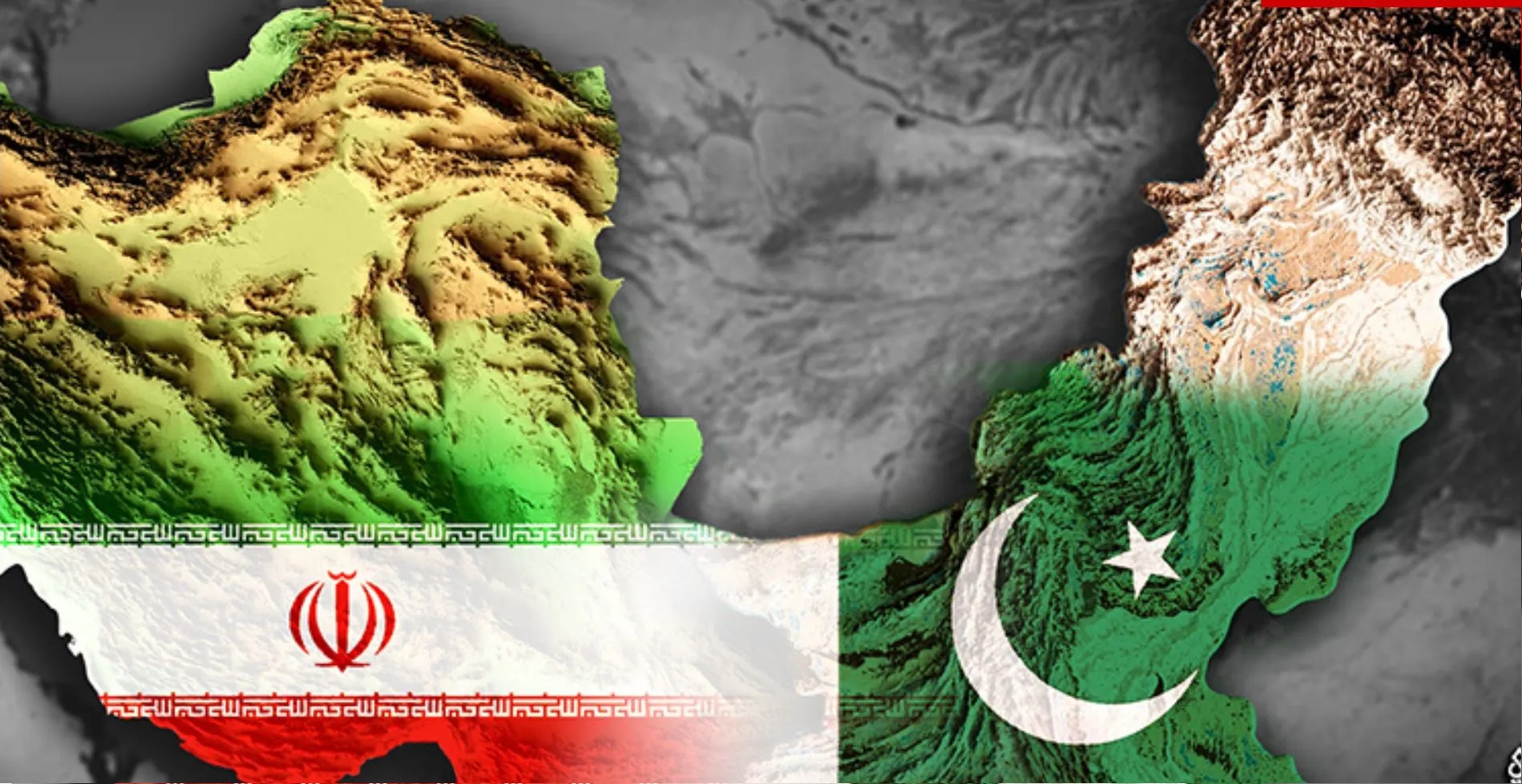
Lt Gen Chaudhry also addressed Pakistan’s efforts to mediate between the United States and Iran, rejecting the suggestion that the Makkah Defence Alliance complicated Islamabad’s position towards Tehran.
He described the pact as the formalisation of decades-old strategic relationships under changing regional circumstances and reiterated that it contained no offensive element.
Asked why Pakistan had chosen to mediate in the Middle East conflict that followed US-Israeli strikes on Iran in February, he said the objective was regional peace.
According to Lt Gen Chaudhry, Pakistan occupies a “unique position” because of its policy of maintaining engagement with different countries. This, he argued, allows Islamabad to act as an objective mediator and an honest broker in efforts to end the conflict.
On the progress of mediation, he said neutrality and objectivity were essential requirements for any credible mediator. Pakistan’s political and military leadership, he added, had therefore remained engaged with the parties in an effort to encourage a negotiated settlement rather than a military solution.
Asked whether Pakistan would continue its mediation if its proposals were rejected by Washington or Tehran, Lt Gen Chaudhry stressed that peaceful negotiations remained the preferable way to resolve the conflict.
He argued that countries capable of engaging both sides objectively and sincerely should continue diplomatic efforts aimed at achieving a negotiated and peaceful outcome.