
The agreement covers cooperation between security forces and an anti-drug action plan as Islamabad and Doha continue diplomatic efforts to revive the US-Iran truce and restore stability in the Strait of Hormuz.
ISLAMABAD: Pakistan and Qatar signed a security cooperation agreement and an action plan to combat drug trafficking on Thursday, strengthening bilateral security ties as both countries continue diplomatic efforts to mediate an end to the US-Iran conflict.
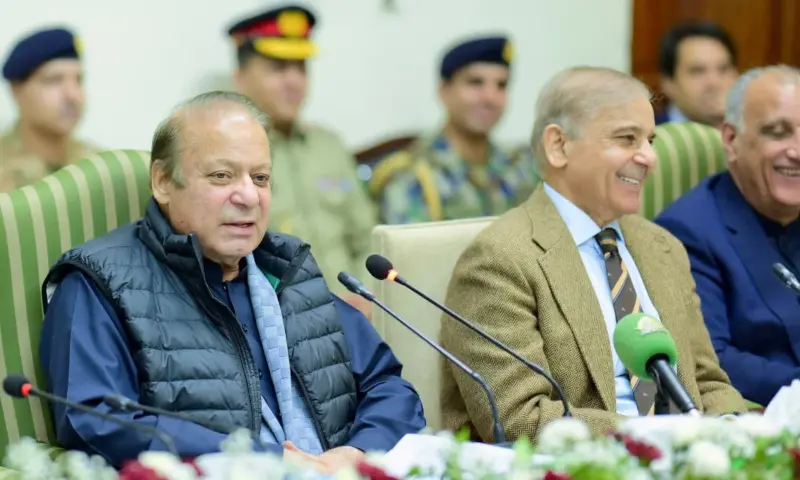
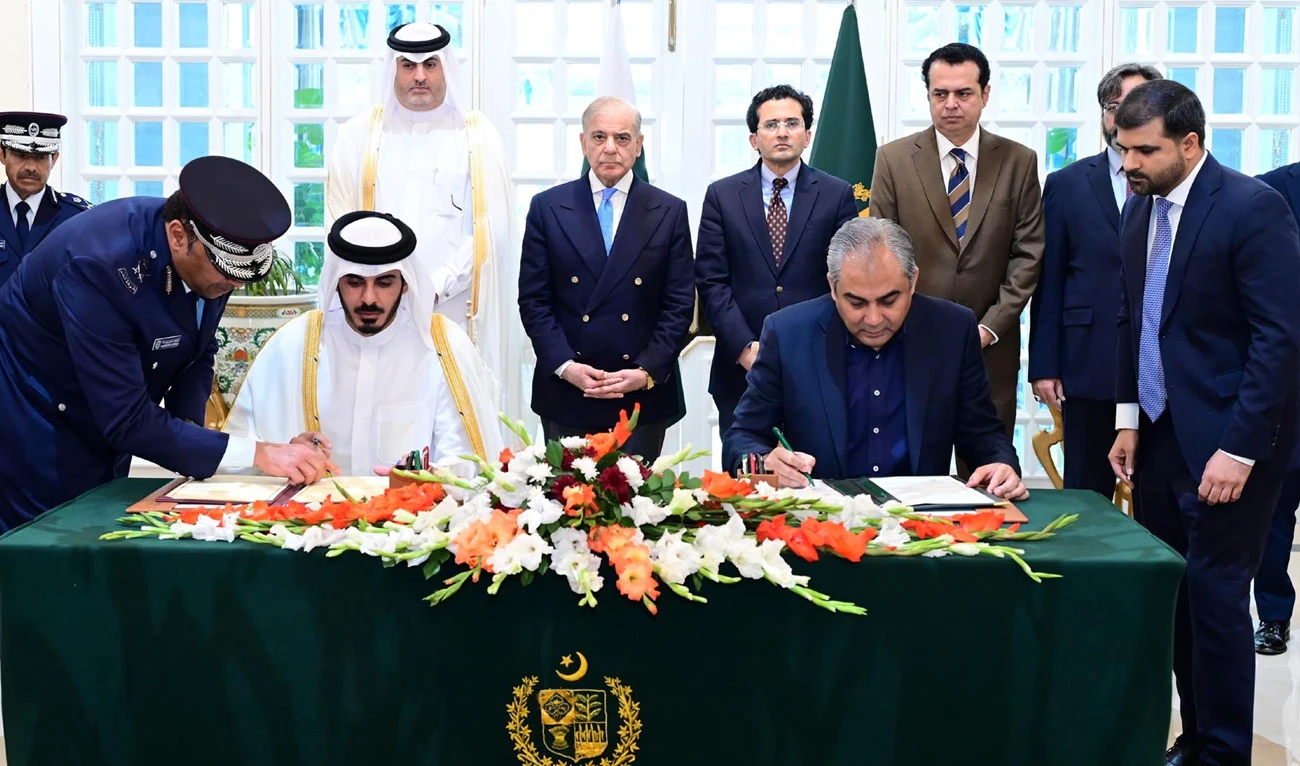
The agreements were signed during a visit to Islamabad by Qatar’s Interior Minister Sheikh Khalifa bin Hamad bin Khalifa Al Thani, who also commands the country’s Internal Security Force, Lekhwiya. Prime Minister Shehbaz Sharif witnessed the signing ceremony following his meeting with the Qatari minister.
According to the Prime Minister’s Office, the agreements include a memorandum of understanding on security cooperation between Qatar’s Lekhwiya and Pakistan’s Federal Constabulary, alongside an action plan for combating drugs.
The development follows discussions between Pakistani Interior Minister Mohsin Naqvi and his Qatari counterpart in Doha in October, when both sides agreed to expand cooperation in internal security and discussed regional peace and stability.
The latest agreements reflect growing security coordination between Islamabad and Doha at a time when regional instability has increased the importance of diplomatic engagement, intelligence cooperation and security partnerships.
Diplomacy amid the US-Iran conflict
The security agreements come as Pakistan and Qatar continue efforts to facilitate negotiations between Washington and Tehran following the collapse of a ceasefire that had briefly halted hostilities in June.
The conflict began with US and Israeli strikes on Iran in February and subsequently disrupted regional security, energy markets and maritime trade. The Strait of Hormuz, one of the world’s most important energy transit routes, has remained a central concern amid renewed hostilities and restrictions on shipping.
A Pakistan-brokered agreement had temporarily suspended fighting and outlined a pathway towards reopening the strategic waterway. However, the truce collapsed, leaving diplomatic efforts to prevent further escalation and restore maritime traffic ongoing.
Iran has reportedly offered to reopen the Strait of Hormuz within two days if Washington meets several conditions, including easing sanctions, releasing frozen Iranian assets and ending the US naval blockade of Iranian ports.
Pakistan’s foreign minister said earlier this week that the United States had not yet responded to the proposal, while Qatar has also continued its mediation efforts and planned engagement with Iranian officials.
The security cooperation agreements signed on Thursday, however, are separate from these diplomatic negotiations and focus on institutional cooperation between the two countries.
Energy security and economic ties
Pakistan and Qatar maintain important economic and energy relations, particularly through Qatari liquefied natural gas supplies. Prime Minister Shehbaz Sharif thanked Qatar for continuing to supply LNG to Pakistan during the meeting, as disruptions around the Strait of Hormuz have placed pressure on international energy markets.
Before the conflict, the waterway carried approximately one-fifth of global traded oil and liquefied natural gas shipments, making its disruption a significant concern for energy-importing countries.
Sharif also highlighted the Pakistani workforce in Qatar, noting that approximately 300,000 Pakistanis were employed there. He called for greater bilateral cooperation in trade, investment, agriculture, technology and minerals.
The agreements add a security dimension to an already extensive relationship encompassing energy supplies, employment, investment and diplomatic coordination.
A broader strategic partnership
Pakistan and Qatar have increasingly engaged on regional diplomatic and security matters, with both countries maintaining relationships across the Middle East and supporting diplomatic efforts to manage regional tensions.
For Islamabad, cooperation with Doha is particularly relevant as Pakistan seeks to maintain communication with Washington and Tehran while working to prevent the conflict from escalating further. Qatar’s established diplomatic role and Pakistan’s engagement with regional stakeholders have created opportunities for both countries to contribute to mediation.
The latest agreements are unlikely to directly resolve the US-Iran conflict or reopen the Strait of Hormuz. Their significance lies instead in strengthening bilateral security institutions and reinforcing cooperation at a time when regional security, energy stability and diplomatic engagement have become closely interconnected.
As efforts to revive the ceasefire continue, Pakistan and Qatar are seeking to combine their security cooperation with diplomatic engagement, reflecting the growing importance of regional partnerships in managing conflicts and protecting strategic interests