
Editorial
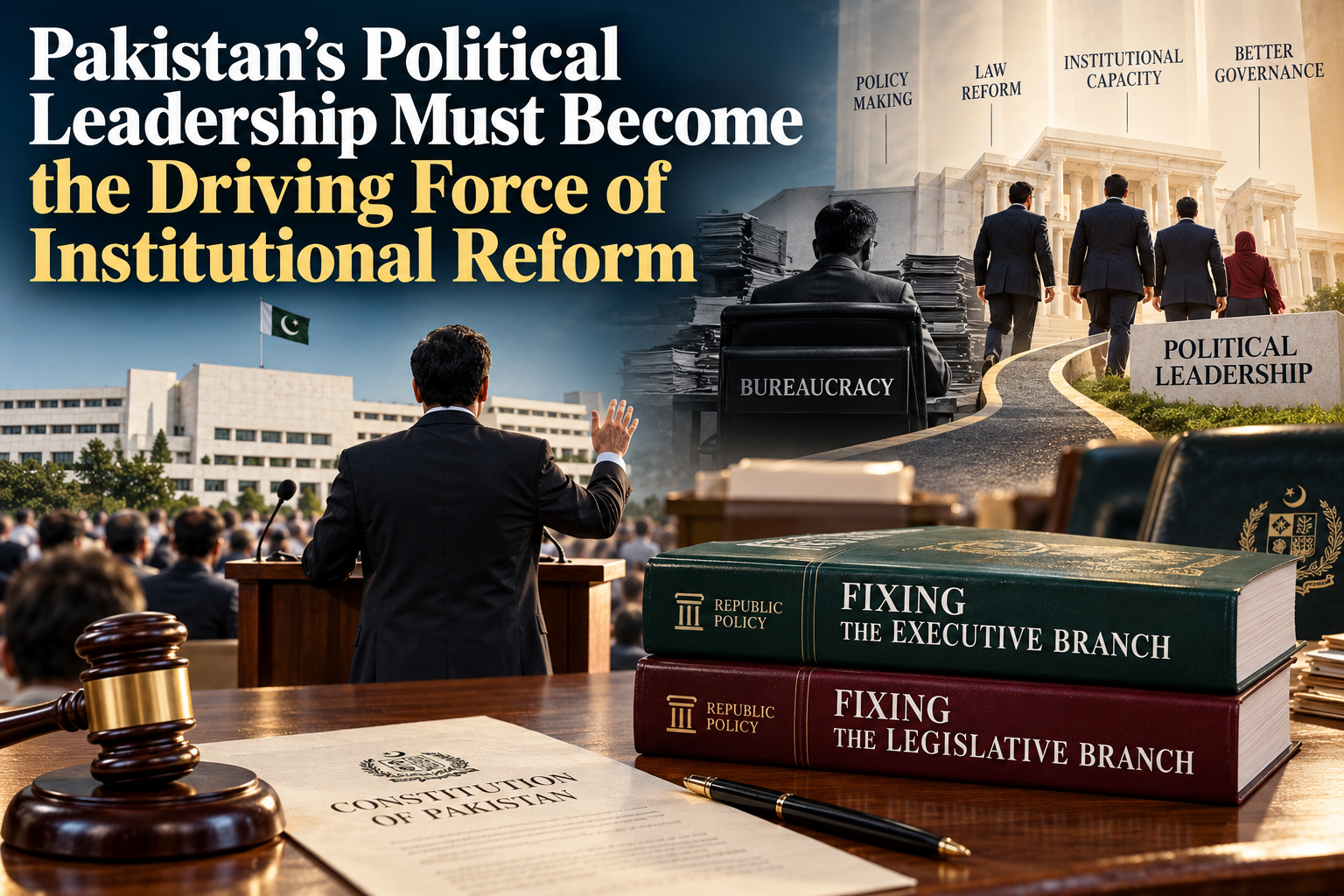
A robust democratic framework fundamentally depends on a dual foundation: an empowered, representative parliament and an independent, balanced judiciary. For Pakistan, achieving this delicate equilibrium remains an ongoing struggle—one constrained by deeper structural vulnerabilities within the country’s political culture.
At the core of Pakistan’s institutional impasse lies a fragile democratic culture—the collective values, behaviors, and norms that define how politicians, state organs, and citizens navigate the political landscape. Historical interventions and entrenched traditions have repeatedly stymied the legislative branch from maturing into the supreme governing body of the state.
Decades defined by overt military governance and centralized executive power have fostered a pervasive praetorian political environment. Over time, an implicit expectation took root across the political spectrum that non-civilian power centers—often referred to as the “establishment”—serve as the ultimate arbiters of national power. This reality has cultivated a fatalistic reliance among political actors: during moments of crisis, parliamentary debate is routinely bypassed in favor of seeking power-brokering interventions from extraconstitutional hubs.
Consequently, Parliament’s constitutional supremacy has been undermined from within. Frequently treated as a transient arena rather than the primary seat of sovereign decision-making, the legislative process suffers from a lack of institutional commitment. This cycle has eroded public confidence, leaving citizens skeptical of Parliament’s capacity to deliver governance and uphold democratic norms. Reversing this trajectory requires a fundamental realignment—one where political actors actively re-establish legislative supremacy through institutional discipline, constitutional adherence, and civilian accountability.