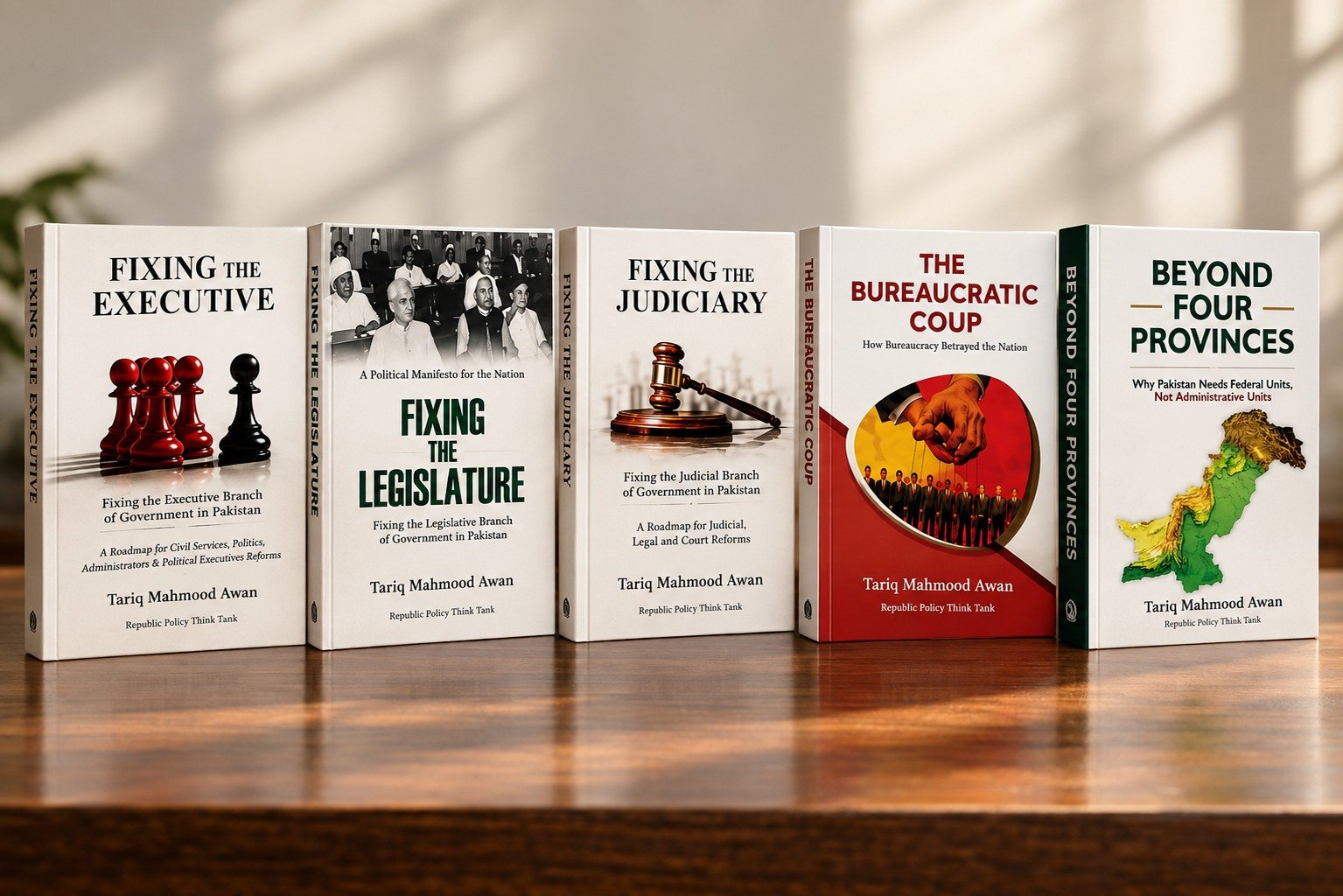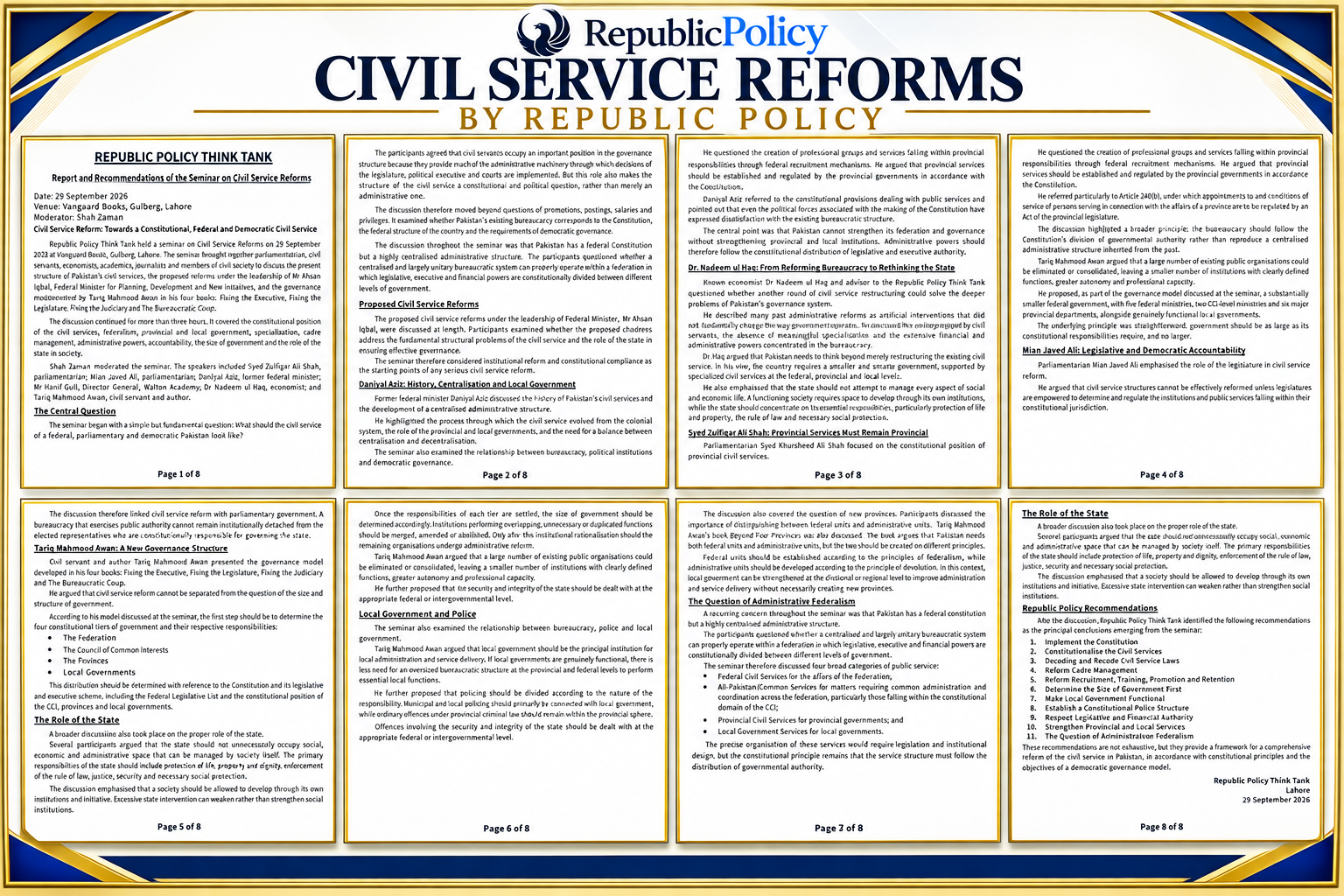

Editorial
In a parliamentary democracy, public representatives are also part of the political executive, which is the crucial part of the governance machinery. They have the public mandate to hold the unelected part of the government accountable by using accountability tools, such as standing committees and Q/A sessions on the floor of the house.
The Constitution of Pakistan, a supreme authoritative force to direct affairs of the state, allows legislators to keep an eye on the bureaucratic executive, whether bureaucratic executive or judicial administration. This mandate to ‘check’ is often maligned and discarded by being accused of being the so-called political intervention. The RP research claims that political intervention is required for good governance: it does not mean that politicians will influence the day-to-day business. Instead, it implies that chosen representatives of the people have the mandate to protect people’s rights.
Only empowered legislators have the capacity to steer the engine of good governance. The RP research notes, “An empowered, well-trained legislature must translate its capacity into accountability of the government and service.” Pakistan needs to transform the concept of “electable.” The ideal candidate for the legislature should not just be someone who can win a feudal tussle or spend lavishly on campaigns; it should be someone who can govern.”