
Editorial
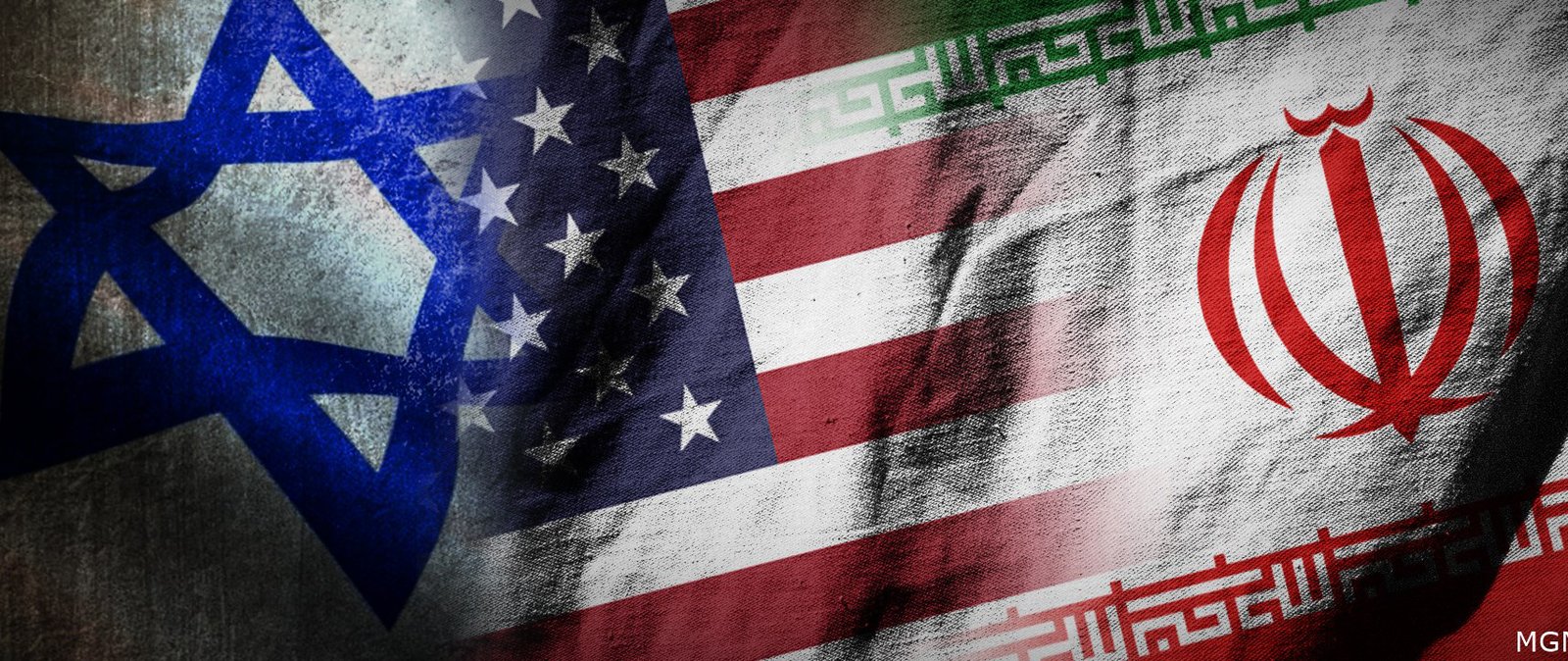
When missiles strike passenger terminals and drones set airport fuel tanks ablaze, it is ordinary people who burn. The war raging between the United States and Iran has already killed thousands, displaced families, ignited proxy fronts from Lebanon to Yemen, and choked the Strait of Hormuz through which a fifth of the world’s energy supply moves. Yet even now, as the flames spread, Washington hints at an exit. That hint alone drove global markets upward by nearly five percent in a single day. The world, in short, was relieved at the mere rumour of peace.
That relief tells its own story. War is not policy. It is catastrophe wearing policy’s clothes.
Trump’s suggestion that the United States might leave “within two weeks, maybe three” without even requiring a formal deal is a tacit admission that the objectives of war are rarely worth its costs. Iran has threatened American companies operating across the region. Israel counts its dead from falling rocket debris. Lebanon buries its journalists and peacekeepers. Kuwait watches its airport burn. These are not abstract geopolitical consequences. These are the daily wages of conflict, paid by people who never chose the fight.
The argument for peace is not naivety. It is arithmetic. Higher oil prices drain household incomes. Supply chains fray. Regional economies contract. Two-thirds of Americans, according to polling, want an exit from this war. The populations of the Gulf, Iran, Lebanon, and beyond want the same thing, though no one asks them.
Diplomacy is slower than bombardment. It demands patience, compromise, and the willingness to sit across the table from adversaries. But it does not demand graveyards. Every ceasefire framework, every direct meeting, every back-channel conversation is worth ten air strikes. Peace is not weakness. It is the only strategy that has ever actually worked.