

With Inputs from Akbar S. Zaidi
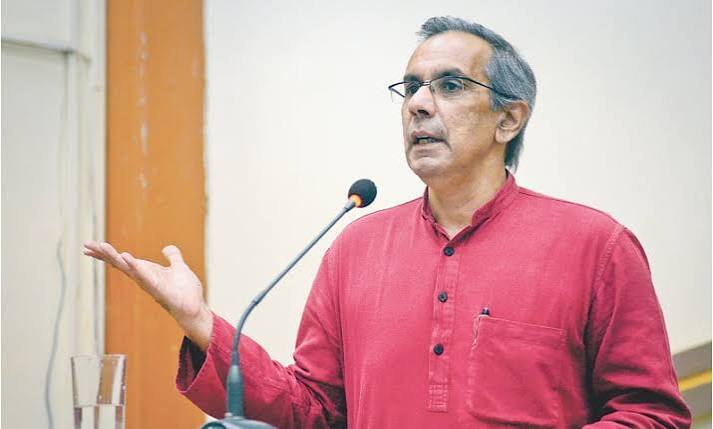
Pakistan’s economy looks calm on paper. Growth is creeping up. The State Bank’s latest annual report projects growth of 3.5 to 4.5 percent, up from 3.1 percent last year and lower still the year before. Remittances have reached a record 41.8 billion dollars. Oil prices, high for months, are beginning to ease. Officials call this stabilisation. In a recent conversation on Dawn’s All Things Money, the economist Dr. S. Akbar Zaidi gave it a more honest name: stability without direction.
Look closely at the numbers that matter and the picture darkens. The range the State Bank offers is so wide that the real figure will probably sit near the bottom of it. Inflation is still well above the central bank’s target of 5 to 7 percent. Unemployment remains a serious concern. And the remittance boom, the one bright light, may not last. There are signs that demand for Pakistani workers in the UAE and Saudi Arabia could stabilise or even fall. If workers start returning home, what then? No one seems to be asking.
Economists think about the economy in three or four big numbers. Ordinary people think about it differently. Will I find a job? Can I pay the rent? How will my children get to school? How will I get to work? Those questions are not being answered by a slightly better growth rate.
The deeper problem is the kind of growth Pakistan is having. By the programme host’s reckoning, consumption now makes up close to 99 percent of GDP, up from around 90 percent a decade ago. A middle-income country that hopes to grow needs consumption closer to 70 or 75 percent, with investment making up 20 to 30 percent of GDP. Pakistan is nowhere near that. Investment has fallen to around 14 percent of GDP, the lowest in more than half a century. Savings have dropped to roughly 13 or 14 percent. Even remittances do not turn into factories, machines or businesses. They turn into more spending. A nation that consumes everything it earns and invests almost nothing is not growing. It is standing still while appearing to move.
Who is driving the economy? Dr. Zaidi’s answer is blunt: the IMF. For the last three and a half years, through the caretaker period and the present government, whatever stability exists has come from the Fund’s programme, not from any new thinking in Islamabad. The government implements what the IMF asks, especially what is easy to implement. That is not economic policy. That is compliance.
Public investment tells the same story. Citing Dr. Hafiz Pasha, Dr. Zaidi noted that federal development spending has fallen to about 0.8 percent of GDP, against roughly 2.5 percent in earlier years. When the state stops investing, infrastructure decays. Roads crack. Water systems fail. Cities choke.
Karachi is the clearest example. It is Pakistan’s largest and most dynamic city. It contributes, by many estimates, about a third of the country’s taxes, though how that contribution is measured is debated. Yet it has no proper public transport. The host made a sharp point here. Karachi is the only place that can become an export powerhouse, because exporters need to be close to a port. No serious export industry can thrive a thousand kilometres inland, paying heavy logistics costs at every step. If Pakistan truly wanted to join global value chains, Karachi would be at the centre of every infrastructure plan. It is not.
Public transport is the lowest-hanging fruit in Pakistani policy. A large rollout of buses and trains in Karachi, Lahore, Faisalabad, Gujranwala and Multan would serve almost everyone. It would save people hours every day, open access to jobs and cut costs for business. Yet more energy is spent on auto policy, which serves a few hundred thousand car-owning households, than on transport for the millions. Railways, which could carry goods and people far more cheaply, remain neglected. Air travel is no better, and the privatisation of PIA has not delivered what was promised. Pakistan has become a society of private cars and motorcycles, not public mobility.
There is one success story, and it proves the point. The solar boom happened because people did it themselves, not because the government planned it. It makes sense economically and environmentally. But even here there is no thinking about what comes next. Batteries are already arriving. Who is planning for that? No one.
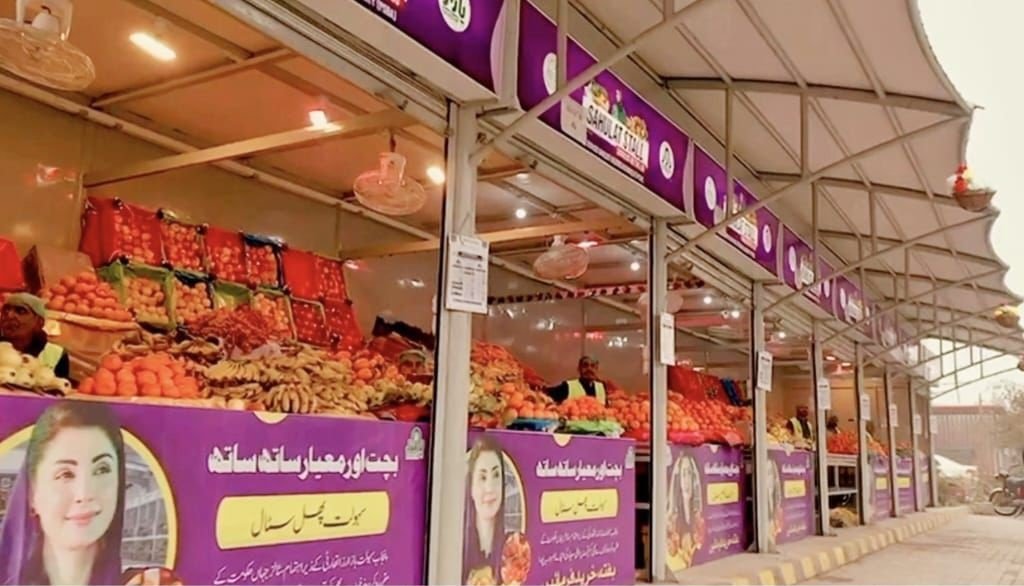
Now look ahead. The IMF programme ends in about a year. Elections will follow. A government seeking re-election usually opens the purse. Dr. Zaidi warns of pork-barrel and vanity projects, of the kind he sees especially in Punjab. A chief minister cuts a ribbon on a hospital or a centre. Three months later, who checks whether patients are being treated or students are being taught? Projects are launched. Projects are rarely completed. Rent-seeking continues, as it always has.
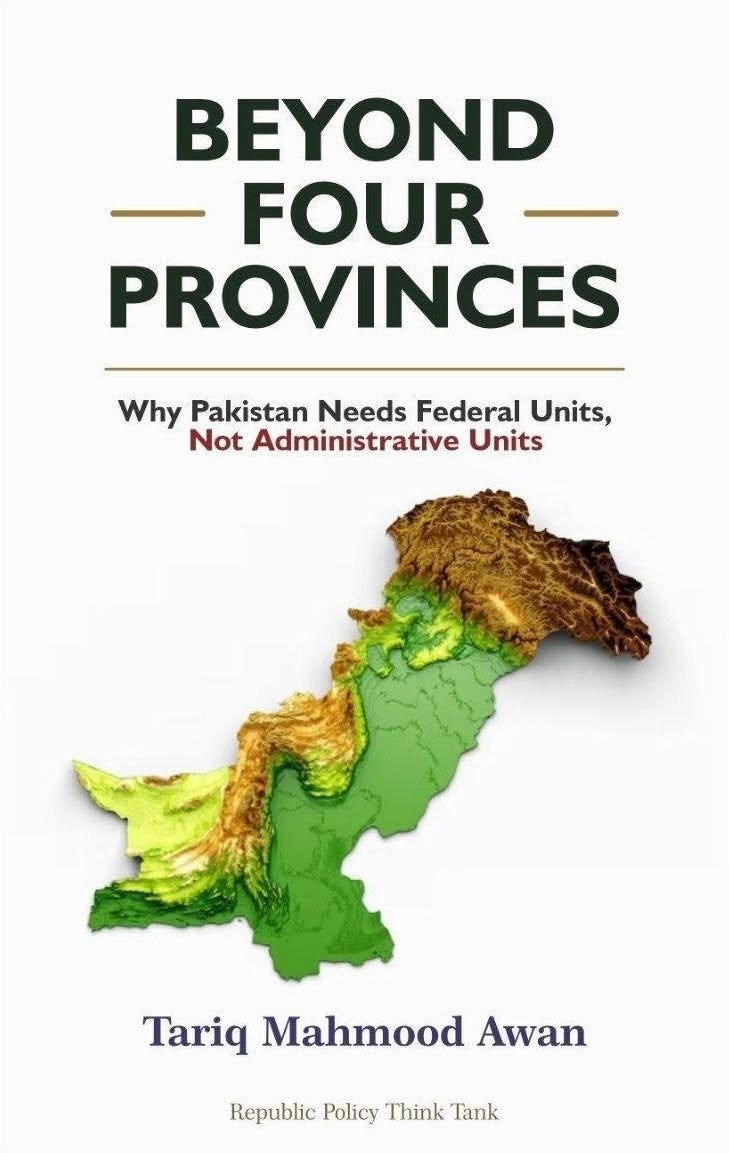
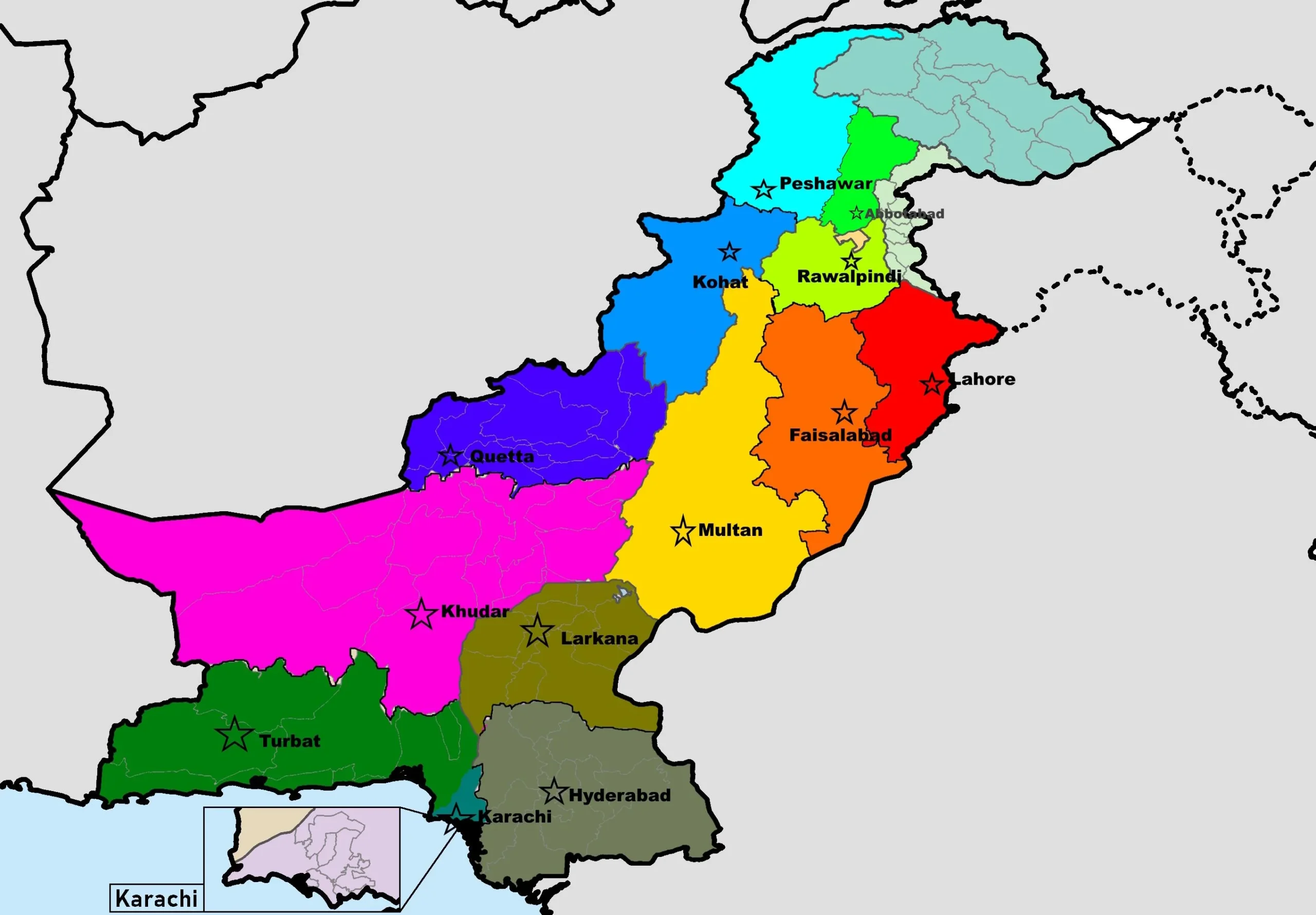
Into this fragile calm a new question has been thrown: the restructuring of provinces. There is talk of many new provinces, some say as many as fourteen. The debate over provinces is important and deserves serious discussion. But Dr. Zaidi raises three questions that every citizen should ask. Who decides? Whose idea is it? Who benefits from it? And one more: if four provinces are said not to work well, what is the argument that fourteen will work better? Dividing a problem does not solve it. It may only multiply it. New units also cost money. More capitals, more secretariats, more bureaucracy, at a time when the state cannot fund its own development budget.
For Karachi the uncertainty is especially harmful. How can anyone plan the city as an export hub when nobody knows which administrative unit it will belong to tomorrow? Investors want certainty. This debate gives them the opposite. For the next few months the national conversation will not be about growth, jobs or exports. It will be about maps.
Pakistan does not lack ideas. It lacks planning, focus and the will to fix basic things. Fix transport. Fix water. Invest in the cities that earn the country’s money. Turn remittances into investment. Prepare for life after the IMF. Calm is useful only if it is used. A calm without a plan is simply the quiet before the next crisis.
The best-selling books of Republic Policy Think Tank, including the landmark book The Bureaucratic Coup, are available at Vanguard Books, Liberty Books, Readings, Kitab Sarai, Sang-e-Meel, Saeed Book Bank Islamabad, National Book Foundation, and others across Pakistan. Contact for home delivery: +92 341 4222501.