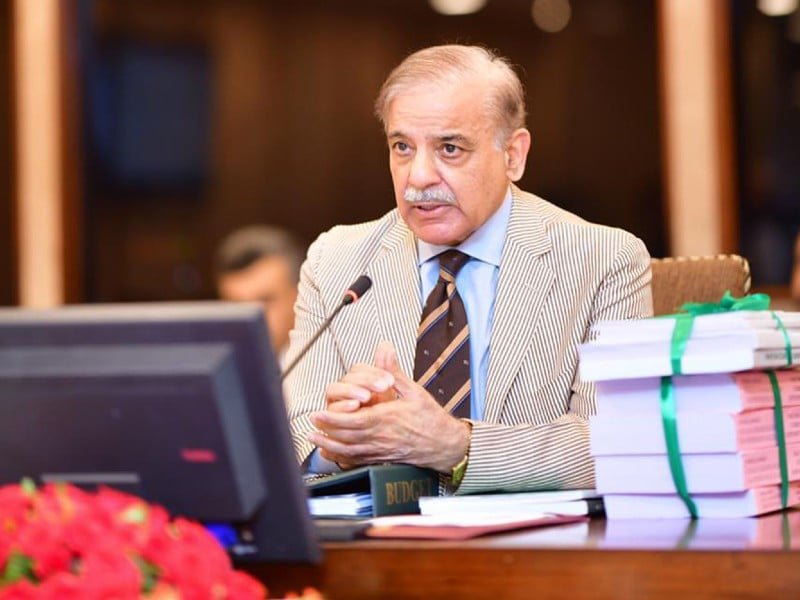

Prime Minister Shehbaz Sharif on Monday reached out to a nearly dozen influential global capitals to sensitise them about Pakistan’s efforts to revive the $6.5 billion bailout package amid wide gaps between Islamabad and the International Monetary Fund over budget figures.
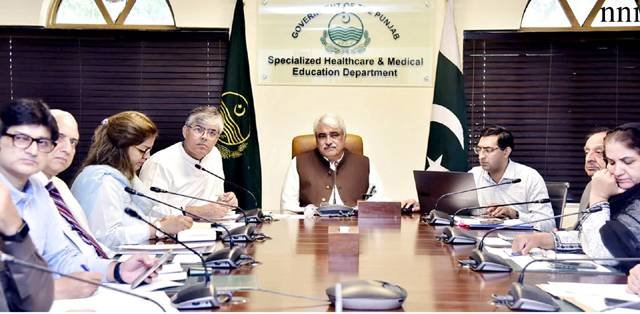
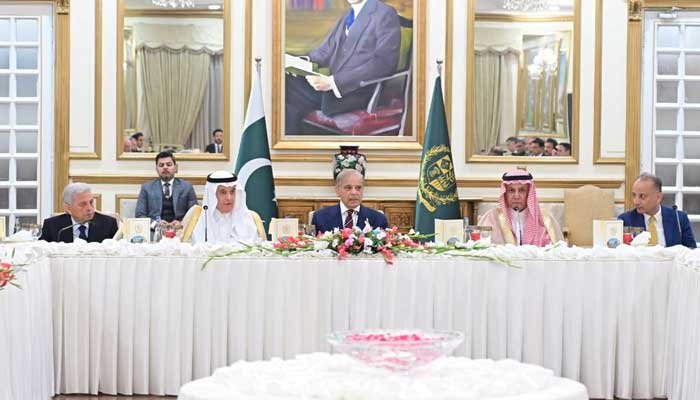
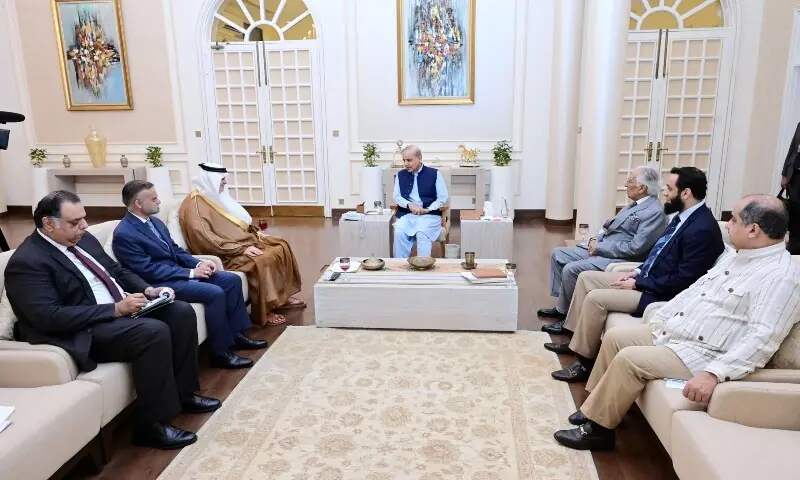
The prime minister held a background meeting with the ambassadors from the Western, European and Asian countries, at least three participants of the meeting told The republic policy. The meeting took place just 11 days before the expiry of the current IMF programme, which could also be the last such interaction.
The prime minister apprised the foreign ambassadors about the efforts that Finance Minister Ishaq Dar and he made during the past many months, a meeting participant told anonymously.
The prime minister again showed interest that the government was keen to get at least the $1.2 billion tranche out of the remaining $2.6 billion, attached with the completion of the pending 9th review, said the sources.
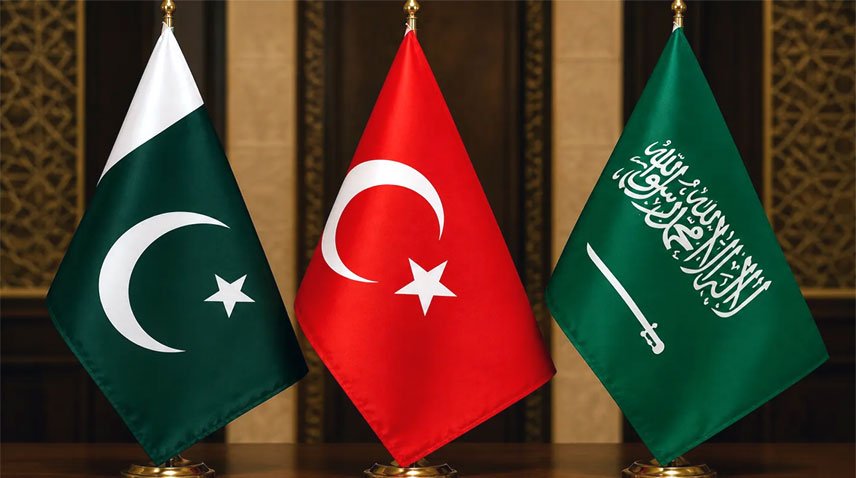
The government had invited the ambassadors of the United States, the United Kingdom, France, Germany, the European Union, Japan, China, Saudi Arabia, Qatar and the United Arab Emirates, according to the sources.
According to another meeting participant, some ambassadors sought clarifications from the government but assured that they would communicate Pakistan’s position to their capitals. The ambassadors are also in touch with the IMF staff.
The PM’s Office did not issue any official statement after the meeting.
The sources said that the economic team counted on the efforts that the finance minister first made to invite the IMF team for review talks in October last year, but the IMF took three months to respond. The foreign diplomats were apprised that in February, the country undertook all the agreed steps, including Rs170 billion worth of mini-budget, an increase in electricity and gas tariffs, an increase in interest rates and leaving the exchange rate at the market forces, according to the officials.
The only outstanding issue was the external financing gap which, according to the finance ministry, was also settled on May 27 during a telephonic conversation between the prime minister and IMF Managing Director Kristalina Georgieva.
But the gaps remain between the positions taken by Pakistan and the IMF, particularly on the issue of amendments in the proposed budget, hike in the monthly stipend of the Benazir Income Support Programme, increase in petroleum levy rates and correction in the foreign currency market.
Pakistani authorities believe the external financing gap has been bridged due to marked improvement in the current account deficit. They said that as against the IMF’s estimates of a $7 billion annual deficit, the debt was only $2.9 billion during the first 11 months of the current fiscal year.
On Monday, the central bank also reported that the current account showed a surplus of $255 million in May. As a result, during the July-May period of the current fiscal year, the current account had only a deficit of $2.94 billion compared to a deficit of $15.16 billion in the same period of the last fiscal year.
Dar takes the credit for drastically bringing down the deficit, which has so far helped to avert the looming default.
However, Friday’s official foreign exchange reserves were still around $3.5 billion despite the country receiving $1 billion from the China Development Bank. The country made a $300 million Bank of China loan repayment and over a dozen small payments worth $350 million to other multilateral creditors last Friday.
But the sources said that the reserves may jump to $3.8 billion by Wednesday on the back of $300 million in Chinese financing that is expected to be received shortly.
The sources said that the prime minister also mentioned his interaction with the IMF managing director, including three letters he wrote to Georgieva in less than one month. The sources said that the PM wrote a letter to the managing director on May 19, June 12 after the budget presentation, and June 16.
The finance ministry sources said that each time, the IMF responded to the letters and presented a counter view about the pending actions that, according to the IMF, Pakistan is still required to take to complete the 9th review.
In his letters, the prime minister mentioned the proper functioning of the foreign exchange market, budget measures and withdrawal of the electricity subsidies.
In response to the letters, the IMF assured that it was also keen to complete the 9th review subject to fulfilling the pending actions, according to the finance ministry sources.