
Editorial
Wars have a way of forcing decisions that peacetime comfort perpetually defers. The Iran conflict, now reshaping energy markets across the globe, has done in weeks what years of policy advocacy could not: it has made the electric scooter the most sought-after vehicle in Pakistan. Showroom floors are emptying. Manufacturing units are struggling to keep pace. The consumer has already made his calculation. The only question is whether the government will make its own.
The arithmetic is straightforward. Soaring fuel prices, directly triggered by the disruption of Gulf oil flows since the US-Israeli strikes on Iran began in February 2026 and Tehran’s subsequent retaliation, have made the internal combustion engine an increasingly unaffordable proposition for the ordinary Pakistani. The motorcycle is not a luxury in this country. It is the primary means of mobility for millions — daily commuters, small traders, delivery workers, breadwinners. When petrol becomes prohibitively expensive, these millions do not simply stop moving. They look for alternatives. The electric two-wheeler is that alternative, and the market is responding accordingly.
The government has every reason to accelerate this shift rather than merely observe it. A structural move toward electric mobility reduces the fuel import bill, eases pressure on foreign exchange reserves, and partially insulates the economy from future oil supply shocks of exactly the kind currently battering it. It also advances the renewable energy transition that Pakistan’s climate obligations and energy security imperatives both demand.
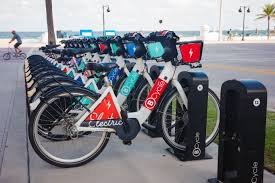
The tools are available: targeted subsidies, import duty relief on EV components, financing schemes for low-income buyers, and accelerated investment in charging infrastructure. None of these is complicated in design. What they require is political commitment.
The crisis has created the momentum. The government must not waste it.