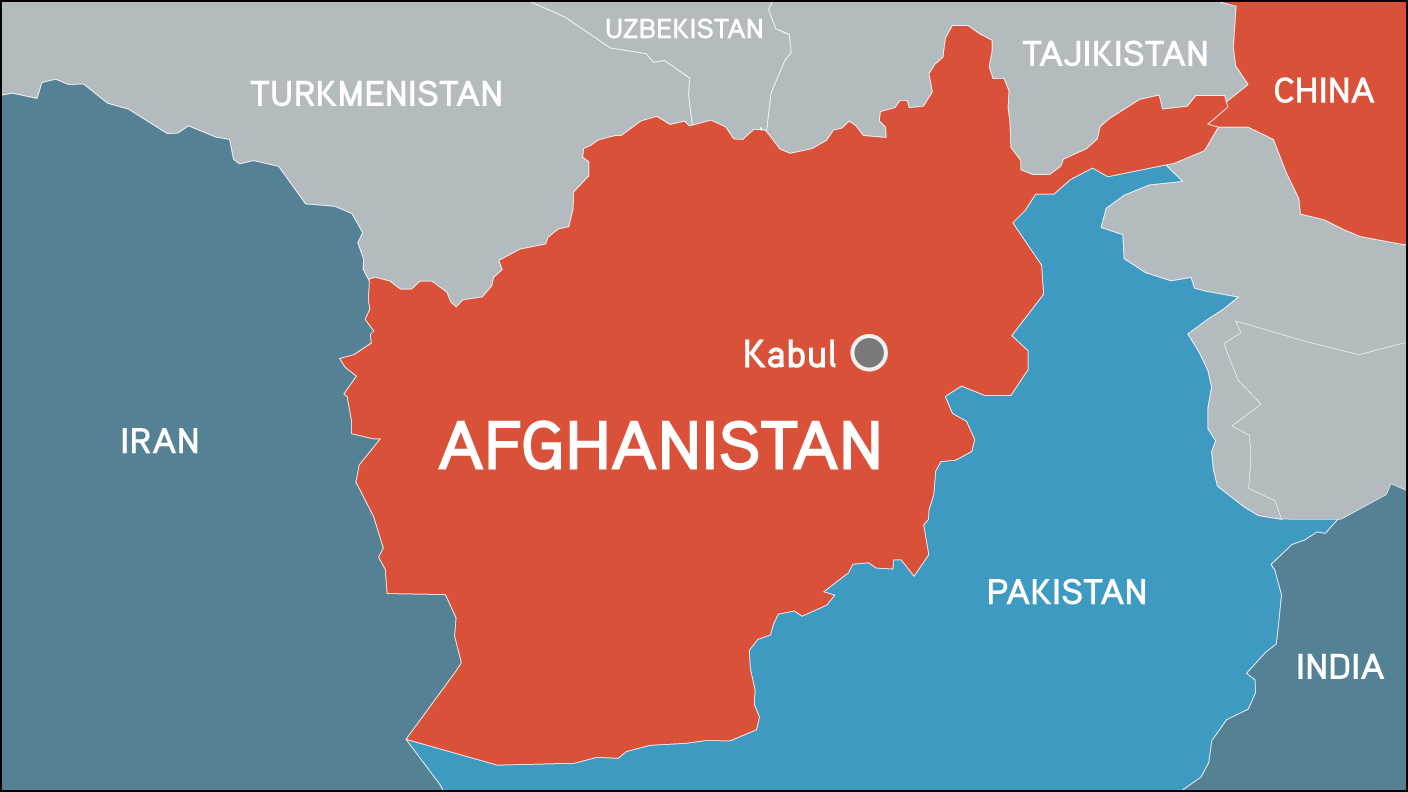

KABUL – Afghans poured onto the streets of Kabul and other cities on Wednesday night to celebrate the restoration of internet and telecom services, after a 48-hour blackout imposed by the Taliban government provoked global condemnation.
The sudden shutdown had paralysed businesses, disrupted flights, and left millions cut off from emergency services and family abroad. For many women and girls, already denied education and jobs, the blackout meant losing their only connection to the outside world. The UN had warned the suspension threatened Afghanistan’s fragile economy and deepened its humanitarian crisis.
When services were restored on Wednesday afternoon by order of the Taliban prime minister, the streets of Kabul lit up with people holding phones, calling loved ones, and sharing relief. “It’s like Eid,” one resident told BBC Afghan, while others described the return of connectivity as a lifeline. For Afghans abroad, hearing family voices again brought tears and joy.
No official reason was given for the blackout. Last month, a Taliban spokesperson in Balkh province suggested restrictions on internet access were aimed at “preventing vices.” Yet critics argue such controls are part of a wider crackdown on freedoms under the group’s rule. For ordinary Afghans, the brief silence was another reminder of life under uncertainty, where even basic communication is hostage to politics.